Cercanías Strike and A-5 Closure Push Madrid Traffic Up 7.9%
Madrid traffic rose 7.9% on Tuesday as a Cercanías drivers' strike and the full A-5 closure hit commuters. Where congestion was worst and when the A-5 reopens.

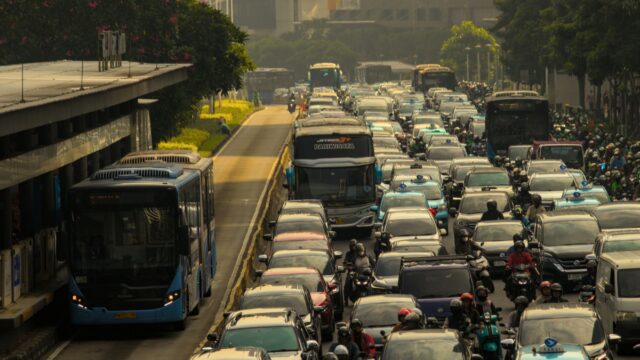
Traffic in Madrid ran 7.9% above the same day last week on Tuesday, as a strike by Cercanías (Madrid commuter trains) drivers coincided with the full closure of the A-5 motorway. Borja Carabante, the Ayuntamiento de Madrid (Madrid City Council) official in charge of urban planning, environment and mobility, called it “a very difficult day” for traffic and congestion.
Compared with Monday, traffic was between 2.0% and 2.1% higher, Carabante said. He blamed the jams mainly on the strike, saying minimum services had not been respected and that the people who ride Cercanías every day had to find other ways to travel.
Where commuters ended up
Many of the train passengers switched to their own cars, which Carabante said produced a large rise in traffic on the roads leading into the city. Others moved to the bus and the metro.
EMT (Madrid’s city bus company) carried more passengers on Tuesday, although full figures were not yet available. On last week’s strike day, ridership rose 6% compared with the week before. Metro de Madrid told Europa Press that it carried 2% more passengers up to 9 a.m. than on the previous Tuesday.
The A-6, A-42 and M-30 south junction took the worst of it
The A-5 itself is closed so that work can finish by Dec. 23. Carabante said traffic around it was moving fairly well, because drivers had been warned and spread out onto other routes. That pushed the problem elsewhere. At rush hour the heaviest congestion built up on parts of the A-6, the M-500, the M-503 and the A-42.
All of those roads feed into the southern junction of the M-30 ring road, which Carabante described as the area suffering most. Public transport has been reinforced around the A-5, but the city could not count on extra trains on the C-5 Cercanías line, which would have eased the pressure.
What it means for people who rely on Cercanías
For commuters, a strike day now means slower roads as well as missing trains, since so many former rail passengers move into cars at once. Carabante argued that the C-5 has a deeper problem than strikes. He pointed to the many incidents on Cercanías over the first 11 months of 2026 and said use of the service has dropped by close to 14% this year, because passengers cannot be sure they will arrive on time.
He called for the service to be reinforced and to run in safe conditions as well as at an acceptable level of quality. Our guide to Cercanías lines, fares and strikes covers how the network is organised.
When the A-5 reopens
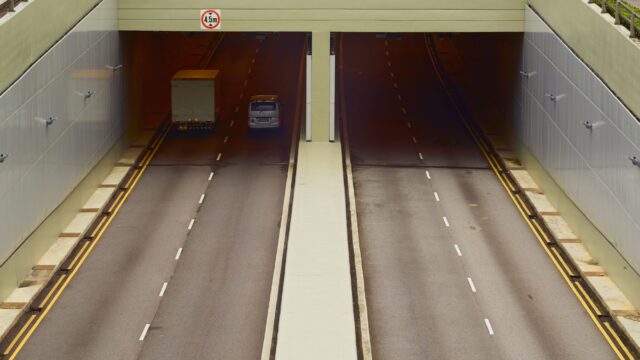
The A-5 closure is part of the project to put the motorway underground (the soterramiento). Carabante said the works are on schedule: of the 142 beams that have to be in place before Dec. 23, 100 have already been installed. He said the city is certain the road will reopen to traffic on Dec. 23.
Until that date the A-5 stays shut, and the traffic it normally carries is spread across the A-6, the A-42, the M-500, the M-503 and the M-30 south junction.
Source: Telemadrid