Spain Lifts Minimum Wage to €1,286 and Ends Tax Withholding on It
Spain's minimum wage rises 5.3% to €1,286 a month from January, with no income tax withheld. Public-sector pay goes up 4.5% and new pay transparency rules start.
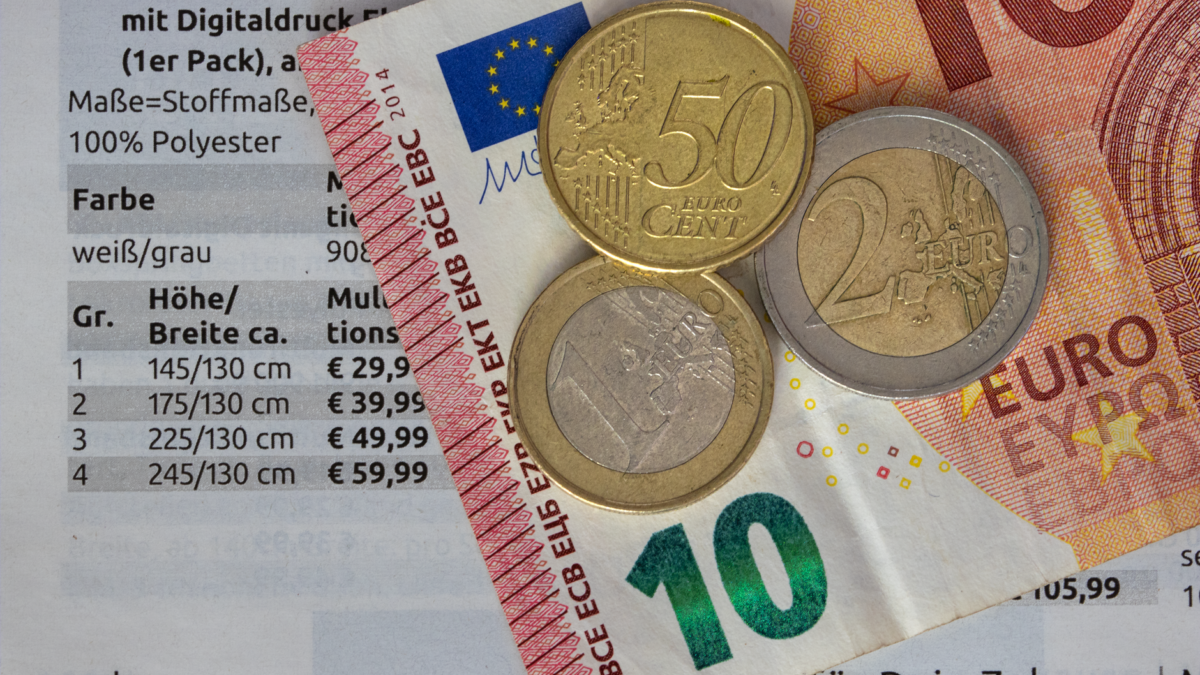
Spain’s Consejo de Ministros (Spain’s cabinet) approved on Tuesday a 5.3% rise in the national minimum wage, adding €65 to bring it to €1,286 gross a month over 14 payments from January. Workers on that wage will also stop having income tax withheld from their monthly pay, so the whole increase should show up on the first payslip of the year.
The same meeting approved a 4.5% pay rise for public-sector employees and a separate decree on pay transparency. The decisions came 12 days before the 29 November general election, according to Spain in English.
What it means for minimum-wage workers
The minimum wage, called the salario mínimo interprofesional (SMI), will be €18,004 gross a year, or €42.87 a day. The Ministerio de Trabajo (Labour Ministry) said on social media that the new rate applies from Jan. 1, 2027.
Finance Minister Arcadi España said workers on the minimum wage would see the rise “from the first payslip.” In earlier years, some of them had to wait for their annual tax return to get back money that had been withheld. The annual deduction under IRPF, Spain’s personal income tax, goes from around €590 to €1,033.58, which mainly helps single workers with no children and no other tax breaks. España said the tax rate at €18,004 would be 0%, and the deduction shrinks gradually for earnings up to €23,172 so that people just above the minimum do not face a sudden tax jump.
Official estimates cited by El País put the number of people earning the minimum wage at around 2.5 million, while España said 2.7 million would benefit from the withholding change. Women, young people and migrant workers are more likely to be on the minimum wage, and it is common in farming, hospitality and domestic work. Domestic workers paid by the hour get at least €10.06 an hour, and those on contracts shorter than 120 days get €60.88 per working day, a figure that includes a share of Sunday, holiday and extra-payment pay.
How the rise compares with prices
The 5.3% increase is above October’s annual inflation rate of 4.9%, which was also the rise recommended by the Labour Ministry’s advisory panel. Prices rose 4.3% between January and October. Since 2018, when the minimum stood at €736 in 14 payments, it has gone up by about 75%, while prices rose around 28% over the same period.
The panel also found that many workers with some qualifications or experience now earn close to the minimum, and that around 40% of the collective agreements it studied still had base pay below the legal minimum.
Unions and employers push back
The CCOO and UGT unions did not formally back this increase, the first time they have withheld support since Yolanda Díaz became Labour Minister. They had asked for 7% and for rules stopping employers from absorbing the rise into existing pay supplements. The employers’ groups CEOE and Cepyme objected to the timing before the election. CEOE president Antonio Garamendi said employers had been informed rather than consulted. Employers last supported a minimum-wage rise in 2020.
Recent rises were usually approved around February and backdated to January. The government said it moved early this year so a caretaker administration would not have to decide.
Public-sector pay and pay transparency
The 4.5% public-sector rise applies from Jan. 1 and is part of an agreement signed last November with CCOO, UGT and CSIF covering rises of around 11% from 2025 to 2028. Around three million employees are expected to benefit. Public Administration Minister Óscar López called it the biggest pay rise since 1992. A further 0.5% is due once official data confirm that 2026 inflation was above 1.5%, which is expected in the first quarter of 2027. His department estimated yearly gross gains of €1,440 for an administrative worker, more than €2,700 for a teacher and €3,700 for a doctor.
The transparency decree lets workers ask in writing for their own pay and for average pay of colleagues doing the same or equal-value work, broken down by sex. Employers have up to two months to reply. Job adverts must state starting pay, and employers can no longer ask candidates about past salaries. Part-time staff must get at least three days’ notice of extra hours. The decree carries out an EU equal-pay directive that Spain was due to transpose by June 7.
What happens next
The minimum-wage decree takes effect without a parliamentary vote. The public-sector rise, the income tax change and the transparency decree must be ratified by the Diputación Permanente, the 69-member standing committee that acts for Congress while parliament is dissolved. Housing remains voters’ top concern; renters can read about rent rises and eviction rules in Madrid.
Source: Spain in English