ETIAS for Travellers to Madrid: Fee, Validity and What EES Changed
ETIAS, the EU travel authorisation for visa-exempt visitors, is now expected in 2027 and will cost €20. What it covers and how EES changed border checks.
ETIAS, the European Travel Information and Authorisation System, is an online travel authorisation that visa-exempt visitors will need before flying to Madrid or anywhere else in the Schengen Area, and its launch is now expected in 2027. The application fee will be €20 for travellers aged 18 to 70, and an approval will last three years or until the passport expires, whichever comes first. The Entry/Exit System (EES), which records visitors’ fingerprints and photos at the border, is already running and replaced passport stamps on April 10, 2026.
Both systems apply to short stays of up to 90 days in any 180-day period. They do not change the rules for people who live in Spain on a residence card.
What is ETIAS and who will need it?
ETIAS is an electronic pre-travel check for people from countries whose citizens do not need a visa for short trips to Europe. According to the European Commission’s Smart Borders page, it will apply to non-EU nationals from 59 visa-exempt countries travelling to 30 European countries. Those 30 are the 29 Schengen states plus Cyprus. Ireland keeps its own visa policy and will not require ETIAS.
The Commission says the authorisation is not a visa. There is no embassy appointment, and the form is much simpler. An approval is a condition for travel, but it does not guarantee entry: Spanish border officers at Barajas or any other crossing still make the final decision.
People with dual nationality of an EU or Schengen country and a visa-exempt country, such as Italy and Canada, will not need ETIAS. They cannot apply for it and must travel on their EU or Schengen passport.
When will ETIAS start?
The current target is 2027, about a year after the EES began operating. The launch has slipped many times. The legal basis, Regulation (EU) 2018/1240, was adopted on Sept. 12, 2018, but that act did not switch the system on. According to the Wikipedia entry on ETIAS, the start was first planned for January 2021, then moved to 2022, March 2023, November 2023, 2025 and the final quarter of 2026.
The last delay followed problems with EES. In the first half of 2026, the first phase of biometric registration put heavy strain on borders, with airport queues projected at up to five hours. The EU then moved the ETIAS target to 2027 so airports and border authorities could test their systems and settle existing procedures first. No exact start date is given in the sources, so check the official EU travel pages before booking a trip for 2027.
How much will ETIAS cost and how long is it valid?
- Fee: €20 per application for travellers between 18 and 70.
- Validity: three years, or until the passport expires if that comes sooner.
- Entries: multiple entries during the validity period.
- Stay limit: 90 days in any 180-day period, the same as now.
The original 2018 regulation set the fee at €7. The European Commission raised it to €20 in July 2025, citing inflation, the cost of running the system and the prices of similar travel authorisations elsewhere. The system is run by eu-LISA, the EU agency that manages large IT systems for justice and home affairs.
ETIAS works much like the US Electronic System for Travel Authorization (ESTA), the UK’s Electronic Travel Authorisation and South Korea’s K-ETA. Applications will be checked against EU databases such as the Schengen Information System, the Visa Information System, Eurodac, and Europol and Interpol records. Once running, ETIAS is estimated to affect about 1.4 billion people.
What has the EES already changed at the border?
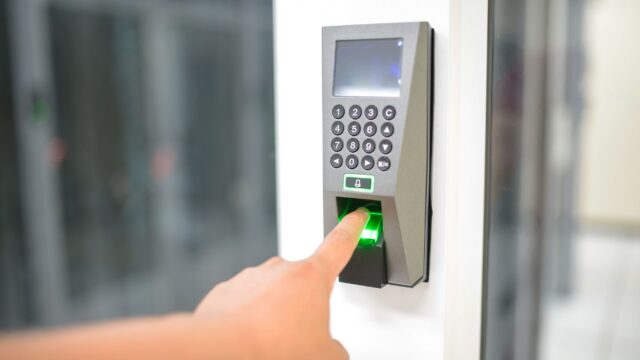
EES is an automated register of non-EU nationals on short stays in the 29 European countries that use it. According to the Commission’s Entry-Exit System page, it records your name, passport data, fingerprints, a facial image, and the date and place of each entry and exit, as well as any refusal of entry. Because the system counts days on its own, it can spot people who stayed longer than allowed.
The rollout came in stages:
- Dec. 4, 2024: the Commission proposed a gradual start of operations.
- July 18, 2025: Regulation (EU) 2025/1534 on the gradual start was adopted, and it entered into force on July 26, 2025.
- Oct. 12, 2025: the progressive start of operations began, a date the Commission set on July 30, 2025.
- April 10, 2026: EES became fully operational and replaced passport stamping.
Registration is free. On a first visit you may be sent to a booth to give fingerprints and a photo before the passport desk, and you may need to give a fingerprint or photo again when leaving. Children aged 11 or younger have only a photo taken. The UK government’s travel advice for Spain says a digital EES record is valid for 3 years and advises allowing extra time at the border, including before boarding a flight out of the Schengen Area.
Does any of this apply if you live in Madrid?
Long-term residents of a Schengen country are exempt from EES in every Schengen country. Residents should carry proof of their status. The UK advice tells British residents to show their TIE (Tarjeta de Identidad de Extranjero, the foreigner’s identity card) together with their passport at Spanish border control. If you are still waiting for yours, see our guide to getting a TIE card in Madrid. EU citizens living here register differently, as covered in our article on the EU registration certificate in Madrid.
Time spent in Spain on a residence permit or long-stay visa does not count toward the 90-day limit. If you think EES has recorded you wrongly, ask border officers for a correction the next time you cross, and bring documents that support your case.
What else do visitors to Spain need to show?
Spain follows Schengen rules on passports. For British visitors, the UK advice says the passport must have been issued less than 10 years before arrival and must expire at least 3 months after the day you plan to leave the Schengen Area. Border officers may also ask for a return or onward ticket, travel insurance, proof of enough money, and a hotel booking or invitation. Overstaying the 90 days can lead to a ban on entering Schengen countries for up to 3 years. Visitors from Latin America can find how the day count works in our article on the 90/180-day rule for Madrid visitors.
Quick answers
Do I need ETIAS to visit Madrid right now?
No. ETIAS has not started; the EU’s current target is 2027. EES registration at the border already applies.
Is ETIAS a visa?
No. The European Commission describes it as a travel authorisation with a much simpler application and no embassy visit. Border officers still decide on entry.
Do I pay for EES?
No. There is no cost for EES registration, according to the UK government’s travel advice.
Can I stay longer than 90 days in an emergency?
Visitors who must extend a visa-free stay for exceptional reasons, such as a medical emergency, apply to Extranjería (Spain’s immigration offices). The national information line is 060 from a Spanish phone, with English-speaking operators available.
Checked against official sources in November 2026. Hours, prices and rules change: confirm on the official page before you go or apply.