Rail Strike Leaves Madrid’s Atocha Almost Trainless on Nov. 17
Only two trains crossed Atocha at rush hour during Spain's rail strike on Nov. 17, far below minimum services of 50% to 75% on Cercanías commuter lines.
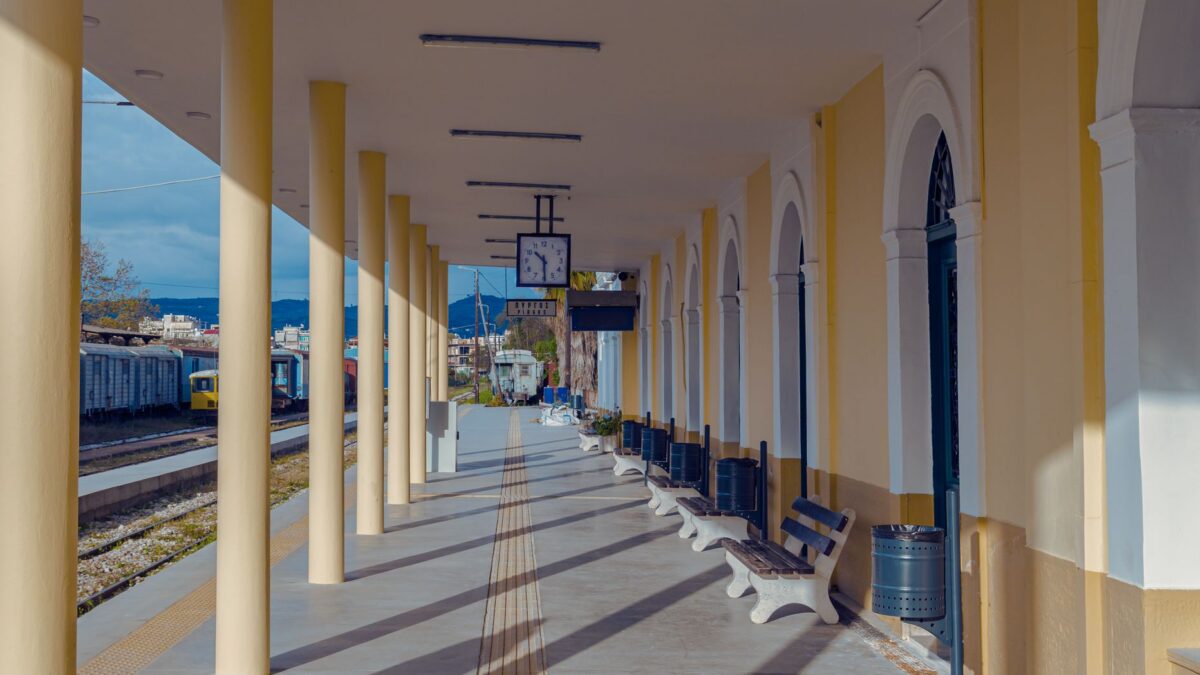
A strike across Spain’s rail sector on Nov. 17 left Madrid’s Atocha station almost without trains, according to elDiario.es. During the morning rush hour only two trains passed through: one on the C-10 Cercanías (Madrid commuter train) line toward Villalba and one to Recoletos, Nuevos Ministerios and Chamartín.
The Cercanías minimum service was set at 75% at peak times. In practice it fell far short, and Renfe’s station announcements blamed the failure to meet minimum services. Renfe is Spain’s state rail operator.
A morning at Atocha
Commuters described waiting hours. One woman who works at a care home in Pinto arrived at 6 a.m. and was still in the concourse close to 9, with no C-3 train running all morning. A student heading to Alcobendas said she would go home if no train came within 10 minutes.
Renfe and security staff blocked access to the platforms. Ticket and pass machines were switched off so people could not buy tickets they could not use. Many passengers had been warned and chose other routes, so the crowds stayed manageable. The longest queues formed at Metro stations and on intercity buses. The stairway between the high-speed area, where boards showed several cancellations, and the Cercanías area filled with people waiting for connections to return.
At Méndez Álvaro, a passenger wrote on X that the ticket gates were closed when a C-10 arrived, and a crowd ran to them before one was opened. Reaching the platform on the other side meant climbing two flights of stairs.
Why the strike was called
The 24-hour strike follows the Urda rail accident. The union CGT cited 69 deaths there, and 2026 has also seen the Adamuz and Gélida tragedies. The main demand is stronger safety through technical improvements and lighter workloads. The call was backed by the Renfe Group’s general works committee, CCOO, UGT, CGT’s rail federation, Intersindical, Alferro and the drivers’ union Semaf, which issued its own call that also covers Iryo, Ouigo and freight operators. An earlier strike by drivers alone stopped service on Nov. 10.
A CGT spokeswoman said the union has demanded better infrastructure, staffing and training for two years, and that a February strike call was kept only by CGT after other unions signed an agreement it considered insufficient. She also said the mobilization predates the Urda accident, after a passenger criticized the union for striking in its wake.
Minimum services and what Renfe said
The Ministry of Transport and Sustainable Mobility, led for a few weeks by First Vice President Carlos Cuerpo, set minimum services of 50% to 75% on Cercanías depending on the time band. The highest figure applied in the morning, midday and evening rush hours. High-speed and long-distance services had a 72% minimum, medium-distance trains averaged 65%, and freight had 26%.
Renfe told passengers to plan ahead and check service status before leaving, since changes could occur during the day. It said affected travelers would be contacted by text or email, with free changes and cancellations, and it set up a download link for delay certificates. The Cercanías Madrid account on X had already suggested alternatives on Monday, which suggested the operator did not expect to meet the minimums. On Tuesday morning the same account confirmed that the service on offer was practically nonexistent.
What it means for commuters
Several passengers said the warnings mentioned possible changes but not outright cancellations, and some were unaware of the strike’s scale. One commuter from Vallecas who works in Getafe said the app showed trains running while the turnstiles at the station were shut. A woman from Villacañas (Toledo) who works nights in Madrid said she did not know whether trains would run in the evening.
Several riders said they supported the strike’s aims but were angry that minimum services were not honored, since they had no other way to get to work or class.
Source: elDiario.es