Cercanías Madrid Guide: Lines, Fares, Passes and Strikes
How Madrid's commuter trains work: the lines and key stations, which tickets and passes are valid, how to follow disruptions and strikes, and step-free access.
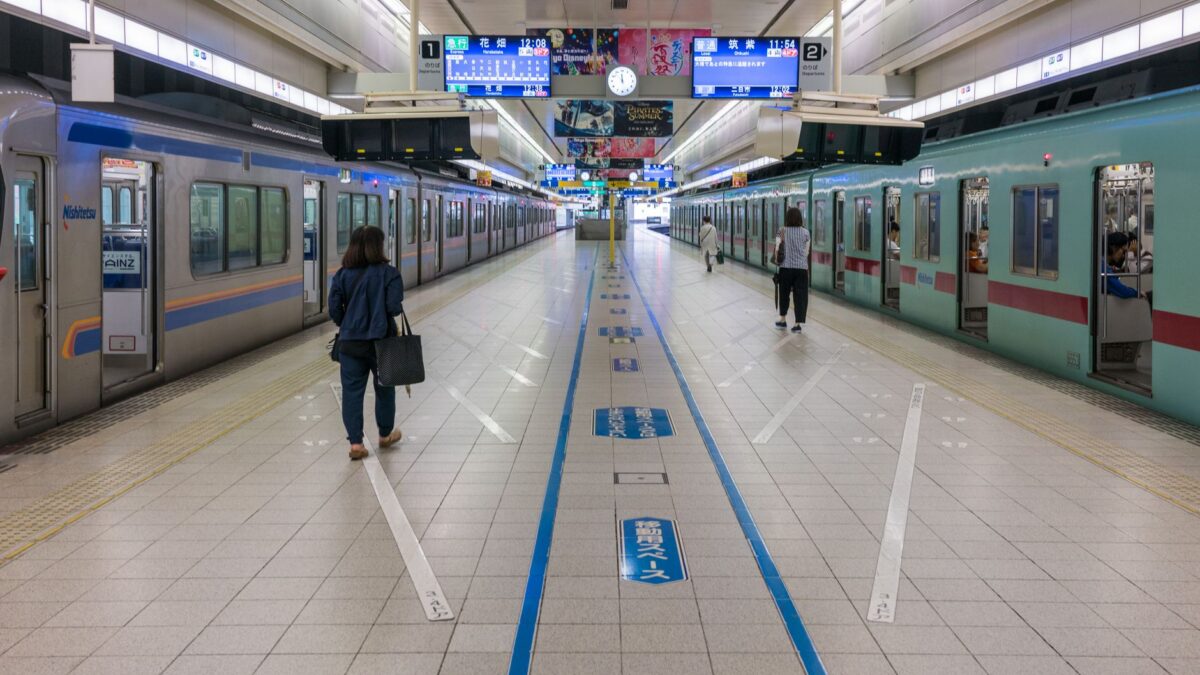
Cercanías Madrid is Renfe’s commuter rail network: about ten lines that cross the city through Atocha, Sol, Nuevos Ministerios and Chamartín and reach towns across the region. A single ticket costs €1.70–5.50 by number of zones, the regional Abono is valid inside its zones, and Renfe’s own monthly pass costs €20 (€10 for young people) in 2026.
Which lines and stations matter most?
Every line passes through Atocha. Two tunnels cross the center from Atocha to Chamartín: one through Sol (lines C-3 and C-4) and one through Recoletos and Nuevos Ministerios (C-1, C-2, C-7, C-8, C-10). According to Madrid’s official tourism site, the lines are:
| Line | Main route | Useful for |
|---|---|---|
| C-1 | Príncipe Pío – Atocha – Recoletos – Chamartín – Airport T4 | Barajas T4 |
| C-2 | Guadalajara – Alcalá de Henares – Atocha – Chamartín | Alcalá de Henares, Henares corridor |
| C-3 / C-3a | Aranjuez – Atocha – Sol – Chamartín (C-3a continues to El Escorial) | Aranjuez, El Escorial |
| C-4 (a, b) | Parla – Atocha – Sol – Chamartín – Alcobendas / Colmenar Viejo | Getafe, north business parks |
| C-5 | Móstoles – Atocha – Fuenlabrada – Humanes | Southwest towns |
| C-7 | Alcalá de Henares – Atocha – Chamartín – Príncipe Pío | East-west across the city |
| C-8 | Guadalajara – Atocha – Chamartín – Villalba – Cercedilla | Sierra de Guadarrama |
| C-9 | Cercedilla – Cotos | Mountain line, special fare |
| C-10 | Villalba – Príncipe Pío – Atocha – Recoletos – Chamartín | Northwest towns |
Chamartín is also called Chamartín-Clara Campoamor. Sol connects with Metro lines 1, 2 and 3, Nuevos Ministerios with lines 6, 8 and 10, and Atocha with Line 1. To reach Barajas by train, see our guide to getting from the airport to the city.
Which tickets work on Cercanías?
Cercanías uses its own zones (0 to 7). As of November 2026, the fares shown on Madrid’s tourism site are:
| Zones | Single | 10-trip Bonotren |
|---|---|---|
| 1–2 | €1.70 | €10.00 |
| 3 | €1.85 | €13.70 |
| 4 | €2.60 | €18.55 |
| 5 | €3.40 | €24.30 |
| 6 | €4.05 | €28.55 |
| 7 | €5.50 | €38.45 |
Other valid options:
- The regional Abono Transporte, loaded on the personal transport card, covers Cercanías inside its zones. See our Abono price guide.
- Renfe’s monthly Cercanías pass: the Ministry of Transport extended for 2026 the monthly passes with unlimited trips at €20, and €10 for young people, plus free travel for children under 14. Note that this is not free: the earlier free recurrent-traveler passes were replaced by these paid ones.
- Bank card at the gates: the ministry announced a 40% discount from the fifth trip for travelers who pay with a bank card directly at Cercanías gates.
- Abono Único: the national €60 pass (€30 for young people) launched in January 2026 also covers Cercanías.
- Tourist Travel Pass: covers Cercanías in zone A, or all zones with the T version.
Single tickets and Renfe passes go on Renfe’s reusable contactless card (Renfe & Tú) or a paper ticket, not on the Metro Multi card. Conditions for Renfe’s passes are on the Renfe Cercanías Madrid page.
How do you check delays, disruptions and strikes?
Cercanías Madrid has had frequent incidents in recent years: signaling faults, works on the tunnels and staff strikes. To check before you travel:
- Use the Renfe Cercanías app or the Renfe website, which shows real-time departures and service notices by line.
- Look at the screens in stations; they show the platform and any delay.
- Follow Renfe’s Cercanías Madrid account on social media for live incidents.
When a strike is called, the Ministry of Transport sets servicios mínimos (minimum services), usually a share of normal trains at peak and off-peak times. Renfe publishes the trains that will run a day or two before. If your line is affected, the Metro or interurban buses are often the backup; our guide to Metro hours and night buses helps with late trips.
Is Cercanías accessible?
The large stations such as Atocha and Chamartín have lifts, but step-free access varies from station to station and between train types, and some older stations on outer lines have stairs only. Renfe’s Atendo service gives free assistance to travelers with reduced mobility at many stations; request it in advance through Renfe. Check the accessibility of your specific stations on Renfe’s station pages before you travel.
How do you plan a trip on Cercanías?
- Find your origin and destination stations on the Cercanías map and note the line color and the direction (the end station shown on the train).
- Work out the zones: ticket machines calculate the fare when you choose your destination station.
- Check the departure board for the platform. At Atocha and Chamartín several lines share platforms, and the platform can change at short notice.
- Keep your ticket or card until you leave the station, since many stations have exit gates.
- For a day out, combine lines: C-3 to Aranjuez or El Escorial, C-2 to Alcalá de Henares, and C-8 toward the Sierra de Guadarrama.
Bottom line
If you only ride the train, Renfe’s €20 monthly pass is usually cheaper than the regional Abono for outer zones; if you also use the Metro or buses every day, the Abono covers everything on one card. Install the Renfe app before your first commute, because platform changes and delays are common.
FAQ
Is Cercanías free in Madrid in 2026?
No. The free recurrent-traveler passes ended; in 2026 Renfe sells a €20 monthly pass, €10 for young people, and children under 14 travel free.
Does the regional Abono work on Cercanías?
Yes, inside the zones your Abono covers. Tap the personal transport card at the Cercanías gates.
Which Cercanías line goes to the airport?
Line C-1 stops at Airport T4. There is no train station at T1, T2 or T3.
How late do Cercanías trains run?
Most lines run from about 5:00–6:00 until around midnight, every 10 to 30 minutes depending on the line and time.