Alcobendas Fights Madrid Mall Plan Over Traffic in La Moraleja
Alcobendas has objected to Valdebebas Shopping, set to be Madrid's largest mall, over traffic through La Moraleja. Madrid has reopened consultation.
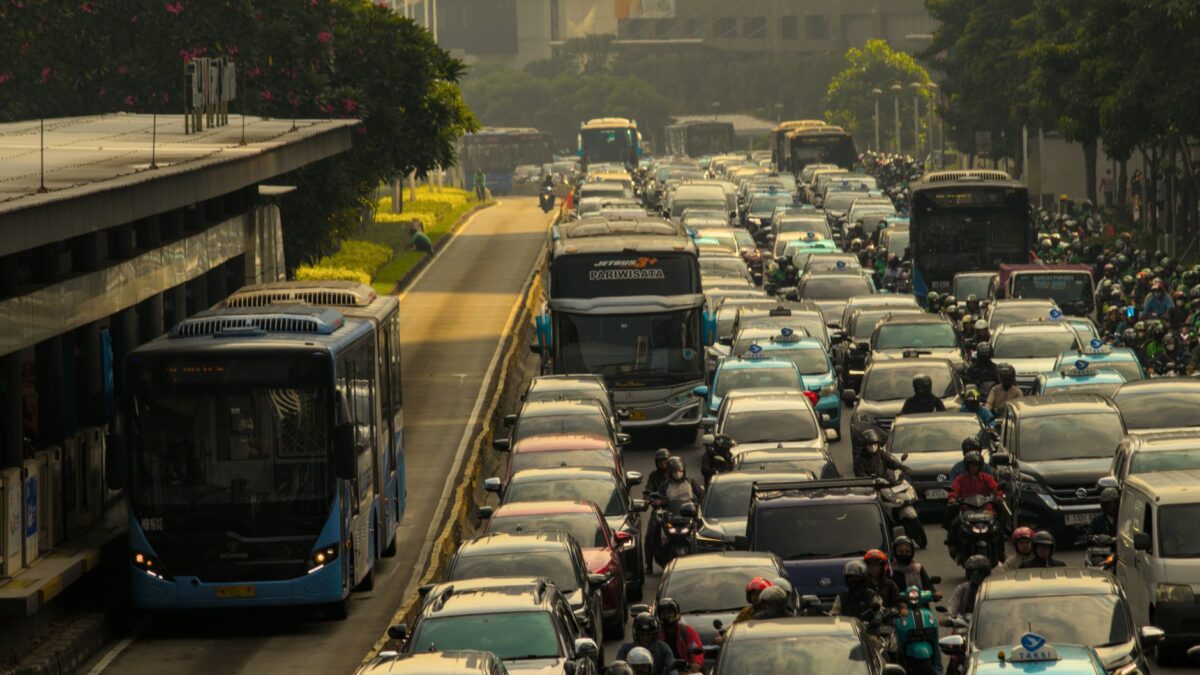
Alcobendas, a municipality north of Madrid, has filed a formal objection to Valdebebas Shopping, a planned shopping center that would be the largest in the city of Madrid, elDiario.es reported. A technical report from the town’s mobility department warns of traffic increases of up to 82% over current conditions, with almost thirty thousand vehicles drawn to the mall at the weekend.
The Ayuntamiento de Madrid (Madrid City Council), governed by José Luis Martínez Almeida, has responded by putting all the project documents out for public consultation again. This time they include a mobility study that was left out when the plan was approved in the summer.
What Alcobendas objects to
The town’s concern is for two of its neighborhoods, La Moraleja and El Encinar de los Reyes, which rank among the most exclusive in the Comunidad de Madrid (Madrid region) because of their home prices. The mall site lies close to the M-40, the M-12 and the R-2 and to the main roads into Alcobendas. The report expects a large share of shoppers to cut through both neighborhoods to reach it.
According to the document, obtained by elDiario.es, the streets there were laid out for residents’ local trips. It lists longer journey times, more queues at peak hours, noise and transport pollution as the likely results, and says residents would bear costs from a private commercial project that has nothing to do with their own neighborhoods.
A second analysis, from the town’s urban planning department, focuses on a road being built under the R-2 in La Solana de Valdebebas. It says drivers coming from the A-1 could use it to reach the mall by a shorter route along the paseo del Conde de los Gaitanes, Camino Viejo, Camino Ancho and Camino de los Jardines, saving eight kilometers. The department rejects the developer’s study that names the M-11 as the main approach. It also notes that the study relies on mobility data from 2018, which leaves out the housing developments built since then.
Alcobendas, which is governed by the PP, is asking for the full traffic studies to be published and for the road layout around the project to be redesigned.
What Madrid’s mobility study forecasts
The study now on public display gives these figures for traffic generated by the mall:
- just under thirty thousand vehicles on Saturdays
- more than twenty-one thousand on Fridays
- about seventeen and a half thousand a day from Monday to Thursday
- more than one hundred twenty-one thousand vehicles a week, with Sundays not calculated
It assigns only 4.7% of that traffic to the link between El Encinar and La Moraleja, though it also counts arrivals from the A-1 north and the M-40 north.
To ease congestion, the plan proposes a third traffic lane on calle Julio Cano Lasso, a traffic light at a left turn and a signal-controlled pedestrian crossing on avenida Fraga Iribarne. The developer also asks for more frequent service on several lines of EMT (Madrid’s city bus company): the BR1, 171 and 174, plus the N2 night bus.
A seven-thousand-space car park on public green land
The developer is General de Galerías Comerciales SA, which owns more than a dozen shopping centers around Spain. Its owner, Tomás Olivo, is sixth on the latest Forbes list of Spanish fortunes. In May it emerged that he had also bought the Edificio Telefónica on Gran Vía.
Valdebebas Shopping is planned for the Hortaleza district. Olivo paid 55 million euros for the land in 2020. The complex would cover four hundred thousand square meters, of which one hundred twenty thousand would be retail space for rent, enough for about 280 brands.
The city is processing a plan especial (a special planning instrument) because the developer needs a car park with seven thousand spaces to absorb the expected demand. Building it means occupying part of an existing public green area, which the project would also cross underground and overhead with walkways.
Both Olivo and the city council hold that the plan needs no environmental assessment, on the grounds that current rules allow it to be excluded from that procedure.
What it means for residents and drivers
The plan is back in its periodo de alegaciones, the window for filing objections like the one Alcobendas submitted. For now, reopening the consultation with the missing mobility study is the city’s response to the town’s demands, elDiario.es reported.
The people most affected are residents of La Moraleja and El Encinar de los Reyes, drivers on the roads around Valdebebas, and passengers on the EMT lines named in the plan. Two municipalities are at odds here, and the special plan is being processed by the Ayuntamiento de Madrid, not by Alcobendas or the Comunidad de Madrid.
Source: elDiario.es