Spain’s DGT Studies QR Code and Microchip Plates for After 9999 ZZZ
Spain's DGT is studying licence plates with QR codes and microchips for when the current format runs out. The last plate, 9999 ZZZ, is decades away.
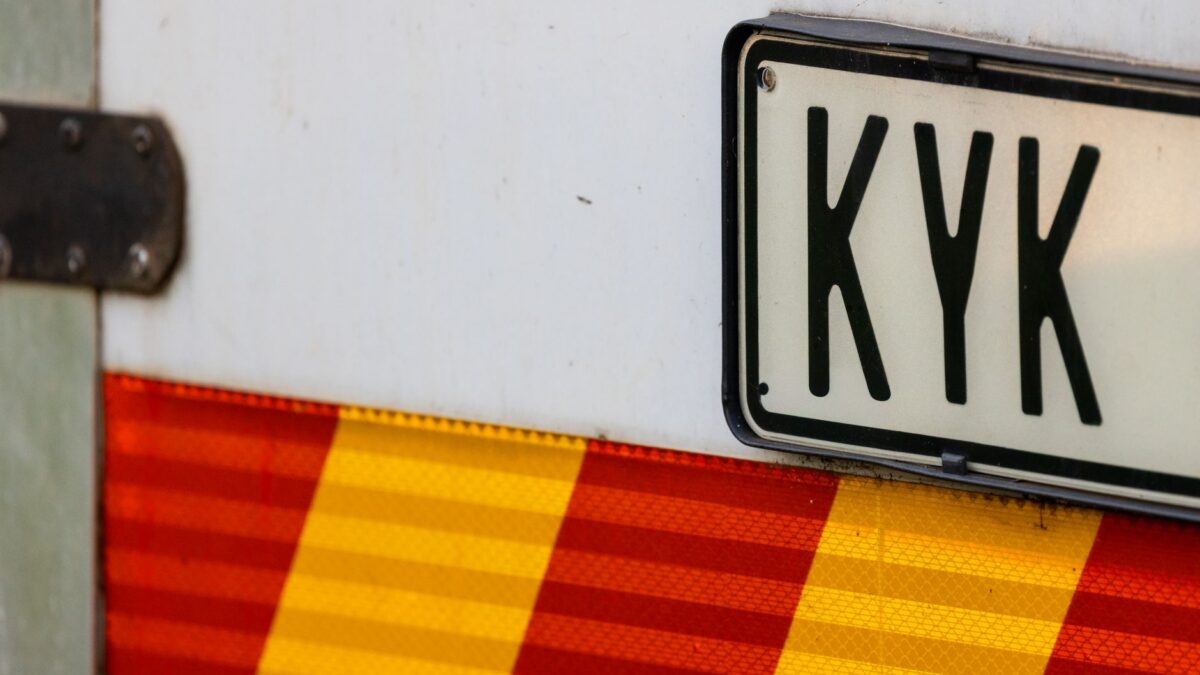
Spain’s current licence plate format will eventually run out of combinations, and the Dirección General de Tráfico (DGT, Spain’s national traffic authority) is looking at what replaces it. Plates carrying QR codes and built-in microchips are among the options under study, Telemadrid reported.
Nothing changes for drivers now. The existing format still has millions of unused combinations and is expected to last for decades.
Why will the current plates run out?
Spanish cars carry a plate with four numbers followed by three letters. The format started in September 2000, when it replaced the older provincial system that showed where a vehicle had been registered. The letters are consonants, with some exceptions.
A fixed format has a fixed number of combinations. According to Telemadrid, the final plate will be 9999 ZZZ, and after that the sequence cannot continue.
When is the last plate expected?
The pace depends on how many new vehicles are registered each year, so the dates move with the car market. Estimates based on the current registration rate, cited by Telemadrid, put the first plates starting with the letter P at around 2027.
Plates beginning with Z would arrive around 2049, and that last stretch could run until roughly 2060. The closing combination, 9999 ZZZ, could be issued somewhere between 2052 and 2064. Telemadrid describes all of these dates as approximate.
What would a QR code or microchip plate do?
Both technologies would attach digital information to a vehicle, so the plate would do more than display a visible number. Traffic officers could read it with an electronic device and check a car’s records faster than they can today.
The report lists four pieces of data that could be available this way:
- the chassis number, which identifies the individual vehicle
- its environmental classification
- the status of its Inspección Técnica de Vehículos (ITV, the mandatory roadworthiness inspection)
- whether its compulsory insurance is in force
Telemadrid adds that such plates could also speed up some administrative procedures and roadside checks.
Has the DGT decided anything?
No. The DGT is studying alternatives because it has to plan ahead for the day the format is exhausted, and QR codes and microchips are possibilities it is considering. No replacement format has been chosen and no date has been set.
Whether either technology is adopted will depend on decisions taken later and on how vehicles need to be identified and checked by then, according to the report. With several decades of combinations left, the authority has time to compare models.
What does this mean for drivers in Spain?
Current plates stay valid and drivers can keep using them as normal. That applies to residents who own a Spanish-registered car and to anyone who buys or registers one in the coming years: new vehicles will go on receiving a plate of four numbers and three letters.
The practical change, if it comes, is in what a plate reveals at a traffic stop. A chip or code readable by an electronic device would show officers the insurance and ITV status at once, along with the environmental classification.
The one certainty in the report is the arithmetic. The four-number, three-letter sequence ends at 9999 ZZZ, and by the estimates Telemadrid cites that plate will not be issued before 2052.
Source: Telemadrid