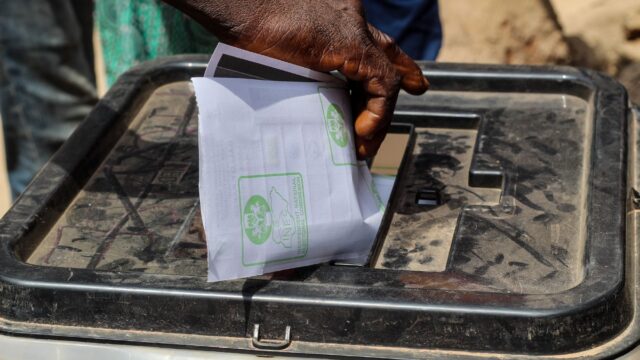
Climate Change Ranks Low for Spain’s Voters Before Nov. 29 Election
Climate change ranks low for Spain's voters before the Nov. 29 general election, surveys suggest, despite the 2024 Valencia floods and July wildfires.
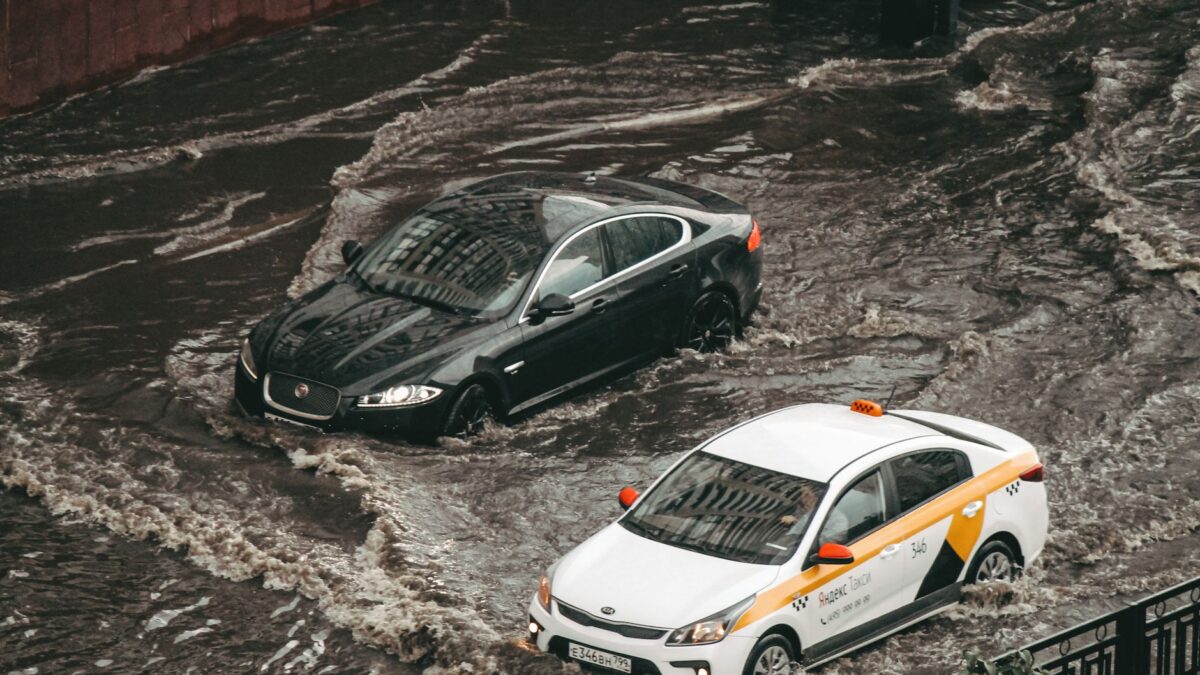
Climate change has barely figured in the campaign for Spain’s early general election on Nov. 29, even after the country’s deadliest floods in a generation and a summer of wildfires near Madrid, The Local Spain reported, drawing on AFP interviews.
Surveys suggest voters rank the subject low. Housing, the economy and immigration are the issues most likely to decide votes, according to a survey by the pollster Invymark for the television channel laSexta.
Floods in Valencia and fires west of Madrid
The floods hit the eastern region of Valencia in October 2024. They swept away cars, submerged roads and buildings, cut off residents and killed more than 230 people.
Wildfires have recurred since. Blazes west of Madrid in July forced nearly 60,000 people to leave their homes.
The campaign is also running alongside COP31, the United Nations climate conference in Turkey, which ends this Friday.
How little the campaigns have said
Pedro Sánchez, the Socialist prime minister, has repeatedly called for a cross-party pact on climate. On the campaign trail he has said little about it. In a 22-minute speech at a rally in Valencia earlier this month he raised the subject once, when he named greenhouse gas emissions among the main problems affecting the region.
The right-wing opposition Popular Party has given climate little space either. Its campaign has concentrated on the decline of public services, particularly the railways since last month’s collision that killed 69 people.
Why the Valencia floods did not change opinion
An academic study published last month found that the floods at first raised the share of people in Valencia who believed climate change was affecting their region. Six months later the effect had faded.
That change in belief did not bring more support for climate policies, said Jordi Muñoz, a University of Barcelona political scientist and one of the study’s co-authors. He called the finding “paradoxical” in comments to AFP. Part of the explanation, he said, is that the political argument after the disaster was about poor prevention and slow delivery of aid.
The regional government of Valencia was heavily criticized over its warning to residents. Flood alerts reached cellphones at 8.11 pm on Oct. 29, 2024, when some places were already flooding.
Residents interviewed by AFP disagree about the cause. Bustamante, a 40-year-old musician whose home recording studio in Paiporta was destroyed, said she used to find it hard to picture climate change forcing her family out of their home. “It seemed a long way off,” she told the agency. She and her husband, Alejandro Rivas, have since written a song about climate change that criticizes how the authorities handled the floods.
Maria Guillermina Spiekermann, 51, lost her home and her bookstore in Picanya. She questioned the role of climate change. The region has had major floods before, she argued, and better infrastructure could have prevented much of the damage.
Scientists say human-driven climate change is making autumn storms in eastern Spain more intense, because warmer Mediterranean water feeds evaporation and heavier rain.
What it means for voters in Spain
People in Spain vote on Nov. 29 after a campaign in which, by Invymark’s survey, housing, the economy and immigration weigh most on their choice. The risks from floods and fires have had little airtime from either the Socialists or the Popular Party.
In Paiporta, one of the towns hit hardest in 2024, the entrance to the public library is still bricked up and pupils at a local primary school attend classes in prefabricated buildings. Raul Camacho Segarra, spokesman for neighborhood volunteer groups set up after the floods, questioned whether the authorities had learned anything about climate risk. He pointed to construction that continues on farmland and in areas vulnerable to flooding.
Source: The Local Spain