Setting Up Utilities in a Madrid Flat: Power, Gas, Water, Internet
How electricity, gas, water and internet work when you move into a Madrid flat: CUPS codes, change of holder vs new connection, regulated vs free-market tariffs and timing.
To set up utilities in a Madrid flat, get the CUPS supply codes from the previous bill, choose an electricity and gas supplier, and request a change of holder (cambio de titular). Water comes from Canal de Isabel II, the regional public company. Supplies already connected switch in days; fiber internet usually needs a technician visit.
Who does what in Madrid’s energy market?
Spain splits electricity and gas into two roles. The distributor owns the cables and pipes and depends on your address; you cannot choose it. In the Madrid area, electricity networks are run mainly by i-DE (Iberdrola group) and UFD (Naturgy group), and gas by Madrileña Red de Gas or Nedgia. The supplier (comercializadora) sends the bill, and you choose it freely.
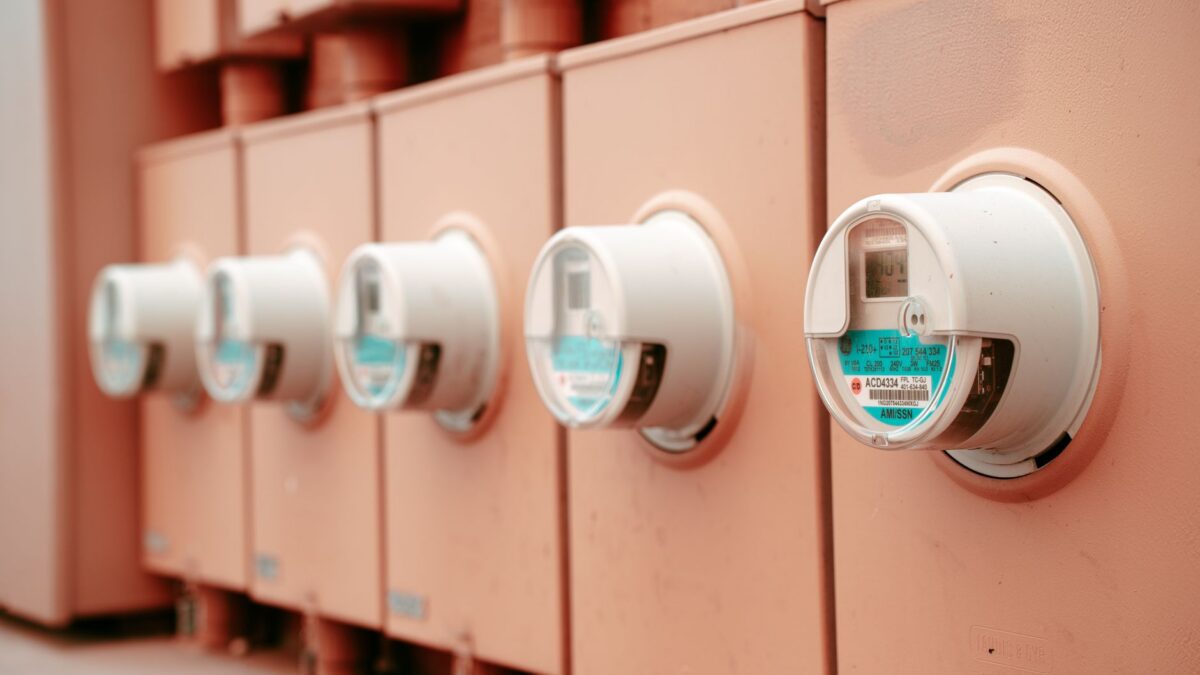
Each supply point has a CUPS code (Código Universal del Punto de Suministro), a long code starting with “ES” printed on every bill. With the CUPS, any supplier can find the meter and switch it to your name.
Change of holder or new connection?
| Situation | What you request | Typical requirements |
|---|---|---|
| Supply is live in the previous tenant’s or owner’s name | Cambio de titular | CUPS, your ID or NIE, IBAN, rental contract or deed |
| Supply was cut off or never existed | Alta nueva (new connection) | The above, plus the distributor’s connection work; long-disconnected installations may need an electrician’s installation certificate |
| You only want a cheaper supplier | Change of supplier | CUPS and ID; the new supplier handles the switch |
Many landlords prefer to keep bills in their name and pass them on. That is legal if the contract says so, but it limits your choice of tariff and makes it harder to prove your address with a utility bill.
Should you choose the regulated or a free-market electricity tariff?
The regulated tariff, PVPC (Precio Voluntario para el Pequeño Consumidor), is available to homes with contracted power up to 10 kW. Only a small group of “reference suppliers” may offer it, such as Energía XXI (Endesa group), Curenergía (Iberdrola group), Régsiti (Repsol group) and Baser COR (EDP group). The government sets the price formula, so PVPC costs the same with any of them. The price changes every hour with the wholesale market.
Free-market contracts offer fixed prices or time bands and sometimes bundles. They can be cheaper or dearer than PVPC depending on the year and your usage. Compare the price per kWh, the price per kW of contracted power and any permanence clause. The PVPC is also the only route to the bono social, the discount for vulnerable households.
How do you get water connected?
Water in the city of Madrid and most of the region is supplied by Canal de Isabel II. In many buildings water is billed through the community and included in community fees, so there is nothing to do. Where the flat has its own contract, the change must be reported within a month of moving in, through Canal’s online office or by phone. You return the signed contract within 15 days of requesting it. The Comunidad de Madrid’s consumer guide on water explains the process step by step. Ask the landlord whether water is billed separately before you sign, since it changes the monthly total.
What about gas and heating?
Check the heating type before signing a lease:
- Central heating (calefacción central): included in community fees, with set hours.
- Individual natural gas boiler: needs a gas contract and periodic safety inspections by the distributor.
- Electric heating or heat pump: no gas contract, but higher electricity bills in winter.
- Butane bottles in some older flats: bought from a distributor, no contract with a supplier.
How long does internet take to install?
Most of Madrid has fiber. Large operators include Movistar, Vodafone, Orange and Digi, plus low-cost brands of the same groups (for example O2, Lowi, Jazztel, Simyo and Pepephone). Prices and promotions change often, so compare current offers. Look at:
- coverage at your exact address, checked on the operator’s site;
- permanence period and the fee for leaving early;
- router installation: usually a technician visit within days of ordering;
- whether a mobile line is required in the bundle.
You normally need an ID or NIE and a Spanish IBAN. See opening a bank account in Madrid and getting an NIE if you do not have them yet.
Bottom line
Photograph all meters on the day you get the keys and send the readings to the landlord; it settles who pays for what. Ask the landlord for the last bill of each supply before moving, so you can start the change of holder from your first day.
FAQ
Can I contract utilities without an NIE?
Some suppliers accept a passport, but many ask for an NIE and most require a Spanish or SEPA bank account for direct debit. Ask before you start.
How long does a change of holder take?
Electricity and gas changes of holder on a live supply usually go through within days, without cutting the service. A new connection takes longer because the distributor must do the work.
How do I find my electricity distributor?
It is printed on the bill, next to the CUPS. The first characters of the CUPS also identify the distributor.
Is the regulated tariff always cheaper?
No. PVPC follows hourly market prices, so it can be cheaper or dearer than fixed-price offers depending on the period and when you use power.
Utilities are one part of the monthly budget; see the cost of living in Madrid.