Tourist Flats in Madrid: Plan Reside, Registers and Neighbors’ Rights
What the city's Plan Reside, the regional tourism register, the 2025 change to the horizontal property law and the 2026 Supreme Court ruling mean for neighbors, renters and buyers.
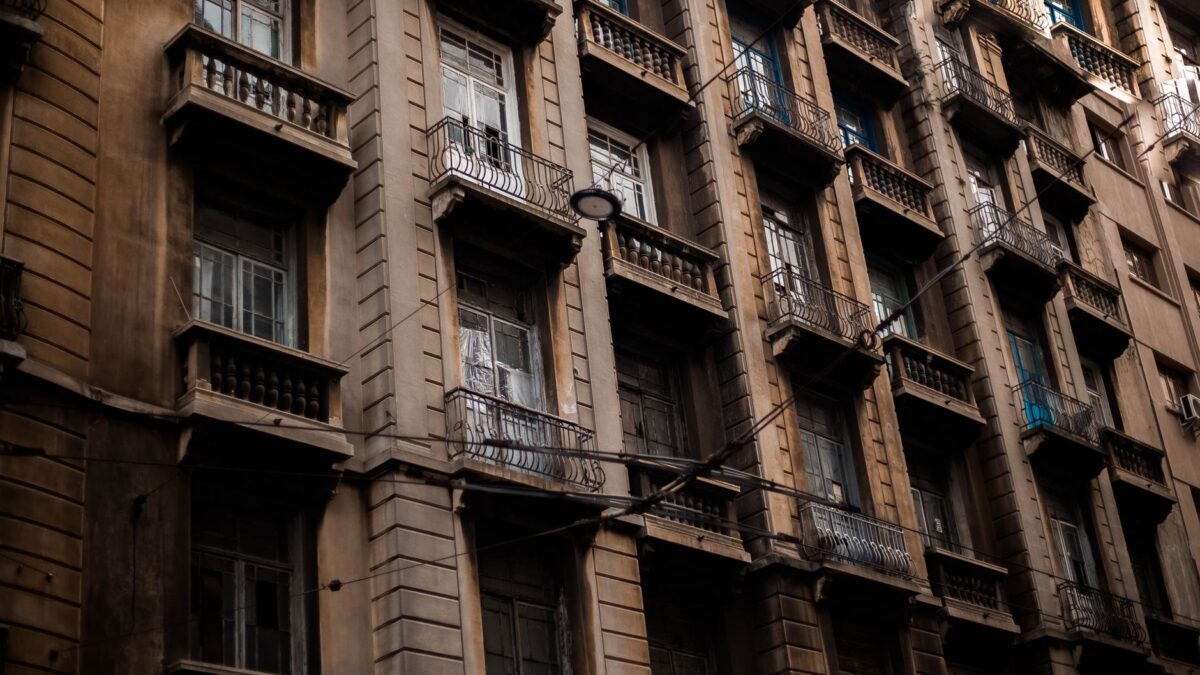
Since September 22, 2025, Madrid’s Plan Reside bans new tourist flats in residential buildings in the historic center, even on ground floors. Outside the center, flats scattered in residential buildings need independent access on the ground or first floor. Every tourist flat also needs the Comunidad de Madrid’s tourism registration, as of November 2026.
What does Plan Reside allow?
Plan Reside is a change to Madrid’s urban plan approved by the city’s governing board on August 27, 2025, published in the regional bulletin on September 4 and in force since September 22, 2025. It replaced the 2019 hospitality plan, which used three rings, with two areas.
| Area | Tourist flats in residential buildings | Whole buildings |
|---|---|---|
| Historic center | Not allowed, including ground floors | Allowed in non-residential buildings; residential ones only through a 15-year conversion tied to restoration, after which they return to housing |
| Rest of the city | Allowed only with independent access on ground or first floor | Allowed |
The plan also stops shops in the historic center from becoming tourist flats and encourages offices to become homes. Flats that already had a valid license before the plan keep it. The exact streets and conditions are set out in the agreement of August 27, 2025; check the Ayuntamiento’s planning information for a specific building.
What does the Comunidad de Madrid require?
Tourism is a regional power. A tourist flat (vivienda de uso turístico, VUT) must be registered with the Comunidad de Madrid through a responsible declaration (declaración responsable). The process normally needs:
- confirmation that the city’s planning rules allow tourist use at that address;
- a technical certificate of suitability issued by an architect or engineer after inspecting the flat;
- proof that the building’s owners’ association has approved or not prohibited the activity;
- the declaration filed on the regional e-government site, which issues a registration number.
The registration number must appear in every advert. Operating without it is an offense under regional tourism law. The regional decree on tourist flats was amended in 2026; check the current requirements on the Comunidad’s site before applying.
Can neighbors block a tourist flat?
Yes, for new ones. Since April 3, 2025, a reform of the horizontal property law requires an express approval by three-fifths of the owners, holding three-fifths of the shares, before an owner can start a new tourist flat in a building. The same majority can approve higher community fees for tourist flats, up to 20% more. Flats that were already operating legally are not affected retroactively. The current text is in the consolidated horizontal property law, article 17.
If you suspect an illegal tourist flat in your building, check whether its adverts show a registration number and raise it at the owners’ meeting. Complaints about unlicensed activity go to the Ayuntamiento’s planning inspectors or the regional tourism inspectorate.
What happened to the national rental register?
From July 1, 2025, Spain required a national registration number (from the Land Registry) for short-term and seasonal rentals advertised online. On May 19, 2026, the Supreme Court annulled the parts of Real Decreto 1312/2024 that created that procedure, ruling that the State lacked competence; the ruling was published in the BOE on June 8, 2026. The national digital one-stop shop for rentals (Ventanilla Única Digital de Arrendamientos) remains. Regional and municipal registers, including Madrid’s tourism register, still apply.
Who checks that tourist flats follow the rules?
Two administrations share the job. The Ayuntamiento de Madrid enforces planning rules, including whether a flat may have tourist use at all under Plan Reside, and can order an unlicensed activity to stop. The Comunidad de Madrid keeps the tourism register, inspects registered flats and fines operators who advertise without a registration number. Platforms can also be told to remove adverts that break the rules. The city reported a fall of about 15.7% in tourist flats after Plan Reside was approved; that figure comes from the Ayuntamiento itself.
For neighbors, the practical point is that a complaint works best with evidence: the advert, dates of guest turnover and any noise or safety incidents.
What does this mean for renters and buyers?
- Long-term renters in the center may see more flats return to normal or temporary rentals, though prices remain high. See rent prices by district.
- Buyers should not count on tourist income in a residential building in the center. Ask for the license and the regional registration in writing before signing, and read the community’s minutes for any veto.
- Short stays: a tourist let has a maximum stay of 31 days under the October 2026 rental decree. Longer stays fall under the rental law; see seasonal vs long-term rentals.
Bottom line
Before buying a flat to rent to tourists, get three documents: the city’s planning confirmation for that address, the community’s latest minutes and, if it already operates, the regional registration number. If any is missing, price the flat as a normal home.
FAQ
Are tourist flats banned in Madrid?
Not everywhere. New ones are banned in residential buildings in the historic center. Elsewhere they are allowed in whole buildings, or in flats with independent access on the ground or first floor.
Does my building’s community have to approve a tourist flat?
For new tourist flats since April 3, 2025, yes: three-fifths of the owners and of the shares must approve.
Do I still need the national registration number?
No. The Supreme Court annulled that requirement in May 2026. The Comunidad de Madrid’s tourism registration is still compulsory.