How to Open a Bank Account in Madrid as a Foreigner
Resident and non-resident accounts, what Spanish banks ask for, how the big banks and app banks compare, and your legal right to a basic payment account.
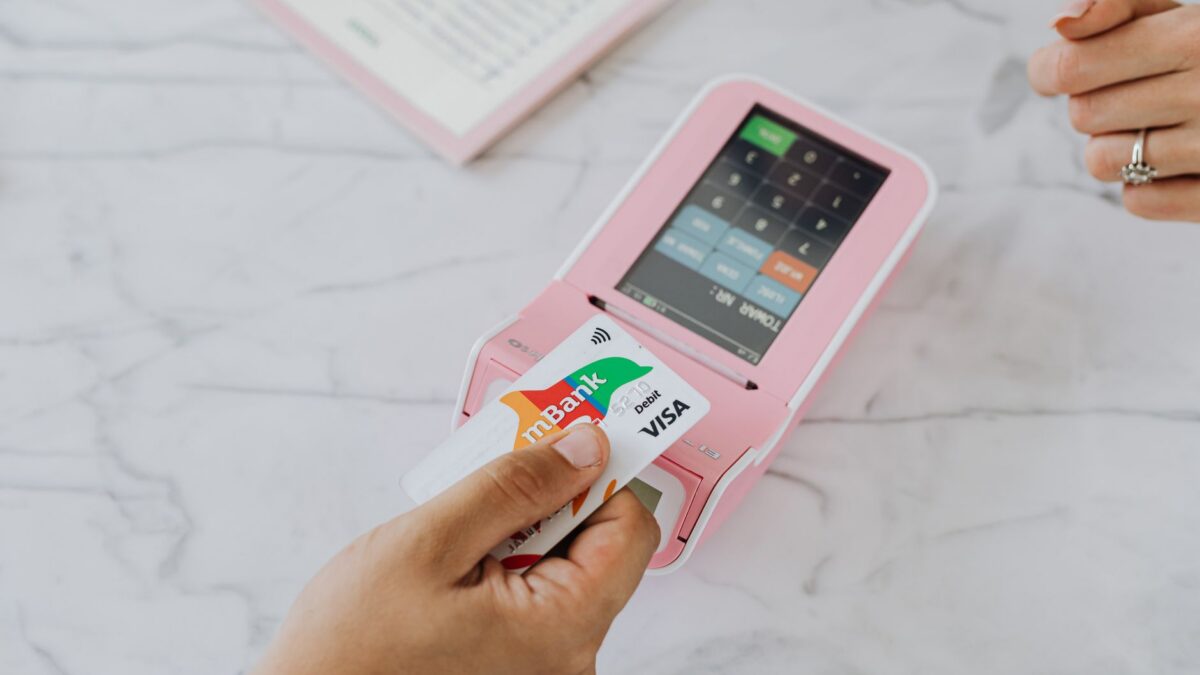
To open a bank account in Madrid you need a valid passport or ID, your NIE (foreigner identity number) and proof of address and income. Residents open a standard account; people not yet resident open a non-resident account backed by a police certificate. Anyone legally in the EU also has a right to a basic payment account costing at most €3 a month, as of November 2026.
Resident or non-resident account: which do you need?
Spanish banks classify you by tax residence. You are usually resident once you live in Spain for more than 183 days a year or have your main economic interests here. The type of account changes what the bank asks for and how interest is taxed.
| Resident account | Non-resident account | |
|---|---|---|
| Who it is for | People living in Spain: workers, students with a long stay, retirees | Owners of Spanish property living abroad, new arrivals before residence |
| Main ID | TIE card, EU registration certificate, or passport plus NIE | Passport |
| Extra document | Usually proof of address (padrón certificate or rental contract) and income | Certificate of non-residence from the Policía Nacional, renewed periodically |
| Interest | Spanish income tax withheld | No Spanish withholding on interest for most non-residents, with the certificate |
| Typical fees | Often free with conditions | Often higher maintenance fees |
The certificate of resident or non-resident status is requested from the Policía Nacional with form EX-15 and the fee on form 790 code 012. Once you register your residence in Madrid, tell the bank and switch to a resident account; otherwise it may block the account when the non-resident certificate expires.
What documents do Spanish banks ask for?
Spanish anti-money-laundering rules require banks to identify you, check where your money comes from and know what you will use the account for. Expect to provide:
- Identity: valid passport or EU national ID; for non-EU residents, the TIE card.
- NIE: the number itself, shown on your TIE, EU registration certificate or NIE assignment letter. Our guide to getting an NIE in Madrid covers the appointment.
- Address: a padrón certificate, rental contract or utility bill. See how to register on the Madrid padrón.
- Income or activity: employment contract, recent payslips, autónomo registration, pension statement or university enrolment.
- Tax residence form: a self-certification of where you are tax resident, required under the international exchange of account information.
Some banks open an account online with only a passport and then ask for the NIE within a set period. If you cannot provide it, the account can be restricted.
How do the main banks and app banks compare?
Most large Spanish banks now sell an online account with no maintenance fee, usually with a debit card included, and a branch account whose fee is waived if you pay in a salary or meet other conditions. Fees and conditions change several times a year, so the table describes the offer type rather than prices. Before signing, read the bank’s fee leaflet (folleto de tarifas) and the pre-contract fee information document, which every bank must give you.
| Bank | Account type to look at | Notes for foreigners |
|---|---|---|
| Santander | Online account without linked products; salary account | Large branch network in Madrid; branch opening may ask for more documents |
| BBVA | Online account without salary requirement | Opens online for residents with NIE; branches handle non-resident accounts |
| CaixaBank | imagin (app) and online accounts; salary account | Has a service aimed at non-residents and foreign customers |
| Sabadell | Online account | Promotions are frequent and time-limited |
| ING | Cuenta NoCuenta | Online only, no branches for cash deposits; usually needs Spanish residence and NIE |
| App banks with a Spanish IBAN | Current account in the app | Some fintechs now issue ES IBANs to customers in Spain; check deposit protection and whether the IBAN starts with ES |
EU SEPA rules forbid refusing a payment or direct debit because the IBAN is from another SEPA country, but in practice some employers and utilities still prefer an ES IBAN. Our guide to setting up utilities in Madrid explains where that matters.
What is the basic payment account?
Under Spain’s basic payment account rules, any consumer legally resident in the EU has the right to a cuenta de pago básica, including people without a fixed address, asylum seekers and people without a residence permit who cannot be expelled. Banks can refuse only on specific grounds, such as money-laundering concerns, and must explain the refusal in writing.
The account covers opening and closing, cash deposits and withdrawals in the EU, a debit or prepaid card and up to 120 transfers and direct debits a year in euros. Under Orden ECE/228/2019, the bank can charge a single fee of no more than €3 a month for these services, and it must be free for people in a vulnerable situation or at risk of financial exclusion. It is a good fallback if a bank turns you down for a standard account.
How do you open the account, step by step?
- Decide resident or non-resident and gather the documents above. Non-residents first get the non-resident certificate from the police.
- Compare fee leaflets for two or three banks, checking maintenance fees, card fees, ATM withdrawals and transfer costs.
- Apply online or book a branch appointment. Online opening usually includes a video call or selfie check.
- Sign the contract and keep the pre-contract fee document.
- Once you have your padrón, TIE or new job, update your details so the account is not restricted.
What if the bank refuses or charges unfair fees?
First complain in writing to the bank’s customer service department (servicio de atención al cliente), which has a legal deadline to answer (shorter for payment services than for other products). If it does not answer or you disagree, you can file a complaint with the Banco de España’s complaints service at no cost. Keep copies of every document you sent.
Bottom line
Open a free online account as soon as you have an NIE, even before the padrón, and use it for rent and utilities; move your salary later if a branch bank offers a better deal. Before signing, ask which fee applies if you stop meeting the conditions, since that is the fee you will pay in a month you change jobs.
FAQ
Can I open a Spanish bank account without an NIE?
Some banks open an account with a passport alone, usually as a non-resident account or with a deadline to provide the NIE. For a resident account, banks normally ask for the NIE.
How much does a bank account cost in Madrid?
Many online accounts have no maintenance fee as of November 2026, and branch accounts are often free with a salary paid in. The legal basic payment account costs no more than €3 a month.
Can my employer pay my salary into a foreign IBAN?
Under SEPA rules a Spanish payer should accept any euro IBAN from the SEPA area. In practice some payroll systems still ask for an ES IBAN, so check with your employer.
Do I need the padrón to open an account?
Not always, but many banks ask for proof of address, and the padrón certificate is the most accepted one. A rental contract or utility bill may also work.