Day Trips from Madrid by Train and Bus: Times and Fares Compared
Seven classic day trips from Madrid compared side by side: the fastest train, the bus alternative, rough fares and which ones still work in winter.
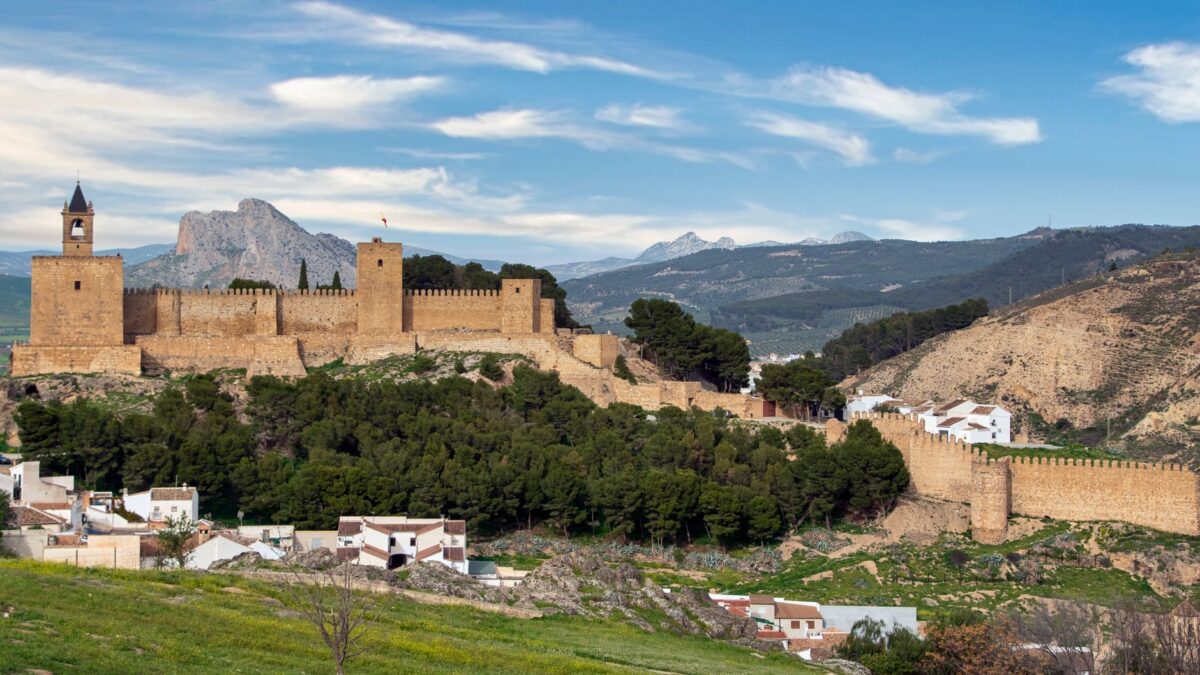
The fastest day trips from Madrid are Toledo and Segovia, each about 30 minutes away by high-speed train. El Escorial, Aranjuez and Alcalá de Henares are under an hour by Cercanías commuter train for a few euros, while Ávila and Cuenca take longer but are still easy there-and-back trips.
How do the main day trips compare?
Journey times are typical fastest options; fares are rough one-way ranges for a standard adult ticket, as of November 2026. Renfe uses dynamic pricing on many long-distance and high-speed trains, so fares change with the date and how early you book.
| Destination | Fastest train | Train time | Train fare (one way) | Bus option | Bus time |
|---|---|---|---|---|---|
| Toledo | Avant from Puerta de Atocha | About 35 min | Roughly €10–15 | From Plaza Elíptica | About 1 hr |
| Segovia | AVE or Avant from Chamartín to Segovia-Guiomar | About 30 min | Roughly €10–20 | From Moncloa | About 1 hr 15 min |
| El Escorial | Cercanías C3 | About 1 hr | A few euros | From Moncloa | About 1 hr |
| Ávila | Media Distancia from Chamartín or Príncipe Pío | About 1 hr 20 min–2 hr | Roughly €10–15 | From Estación Sur | About 1 hr 30 min |
| Alcalá de Henares | Cercanías C2 or C7 | About 35–40 min | A few euros | From Avenida de América | About 40 min |
| Aranjuez | Cercanías C3 | About 45 min | A few euros | From Estación Sur | About 50 min |
| Cuenca | AVE or Avlo from Atocha or Chamartín | About 1 hr | Roughly €15–35 | From Estación Sur | About 2 hr |
Check live times and fares on renfe.com before you travel. Bus fares are usually lower than the fast train, and buses run from the city’s main interchanges.
Is the train or the bus better?
For Toledo, the train is faster and arrives at a station a short bus ride or 20-minute walk from the old town. The bus is cheaper, takes about an hour and drops you a little closer to the center.
For Segovia, think twice before choosing the train. The high-speed line stops at Segovia-Guiomar, outside the city, so you need a city bus of about 15 minutes to reach the aqueduct. The bus from Moncloa takes longer but arrives near the old town, so door to door the two options are often similar.
For El Escorial, Alcalá and Aranjuez, the Cercanías is the obvious choice: frequent, cheap and covered by the monthly transport pass in many cases. Our Cercanías guide explains lines, stations and fares, and the Abono Transporte prices page shows which zones each pass covers.
Cuenca‘s high-speed station, Cuenca-Fernando Zóbel, is also outside the city. Allow time for a bus to the old town and its hanging houses.
What is there to see in each town?
- Toledo: the cathedral, the Alcázar, the old Jewish quarter with the El Tránsito and Santa María la Blanca synagogues, and El Greco’s paintings. The hilltop old town is steep; wear good shoes.
- Segovia: the Roman aqueduct, the Gothic cathedral and the Alcázar castle at the tip of the old town. Roast suckling pig (cochinillo) is the local specialty.
- El Escorial: the 16th-century Royal Monastery of San Lorenzo, built by Philip II, with its library, basilica and royal pantheon. It is run by Patrimonio Nacional and closed on Mondays.
- Ávila: the complete medieval walls, which you can partly walk along, plus sites linked to Saint Teresa.
- Alcalá de Henares: the old university, the birthplace of Cervantes and a long arcaded main street. It is the easiest half-day trip.
- Aranjuez: the Royal Palace and its large riverside gardens, at their best in spring.
- Cuenca: the hanging houses over the Huécar gorge, the cathedral and the museum of abstract art inside one of the hanging houses.
Which day trips work best in winter?
Winter days are short, so pick places where the main sights are indoors or close together.
- Best: Toledo, El Escorial and Alcalá. The monastery and Toledo’s churches and museums keep you inside, and both are quick to reach.
- Good, but dress warmly: Segovia and Ávila sit at around 1,000 meters and are noticeably colder than Madrid, with frost and occasional snow. The wall walk in Ávila may close in bad weather.
- Better in spring: Aranjuez, whose gardens are the main draw.
If snow is forecast, trains usually keep running, while buses across the Guadarrama passes can be delayed. More on cold-weather plans in our guide to Madrid in winter.
How do you book and travel?
- Book high-speed and Avant trains on renfe.com or the Renfe app. Weekend morning trains to Toledo and Segovia fill up, especially on long weekends.
- For Cercanías, buy at the station machine or pay with your transport card; no booking is needed.
- Buy bus tickets online from the operator or at the bus station. Fares for coaches leaving the region are set by each operator.
- Check opening days of the main sight before you go. Several monuments close on Mondays.
- Take a return train early enough to avoid the last-train rush on Sunday evenings.
Bottom line
For a first trip, Toledo by morning Avant gives the most for the least travel time. For Segovia, compare the bus from Moncloa before booking the train: once you add the transfer from Segovia-Guiomar, the cheaper bus is often just as fast.
FAQ
What is the closest day trip from Madrid?
Alcalá de Henares, about 35 to 40 minutes by Cercanías. Toledo and Segovia are similarly quick by high-speed train.
Can you do Toledo and Segovia in one day?
Not comfortably. They are in opposite directions from Madrid, and each needs most of a day to see properly.
Does the Abono Transporte cover El Escorial and Aranjuez?
Cercanías travel is covered if your pass includes the right zone. A city-only zone A pass does not reach them; check the zone of your destination station.
Do you need to book Renfe tickets in advance?
For high-speed and Avant trains on weekends and holidays, yes. Cercanías tickets are bought on the day.