Madrid in Winter: Weather, Snow in the Sierra and What to Do
Cold, sunny days and frosty nights: what Madrid's winter is really like, what to do when it is too cold to walk, and how to reach the snow in the Guadarrama.
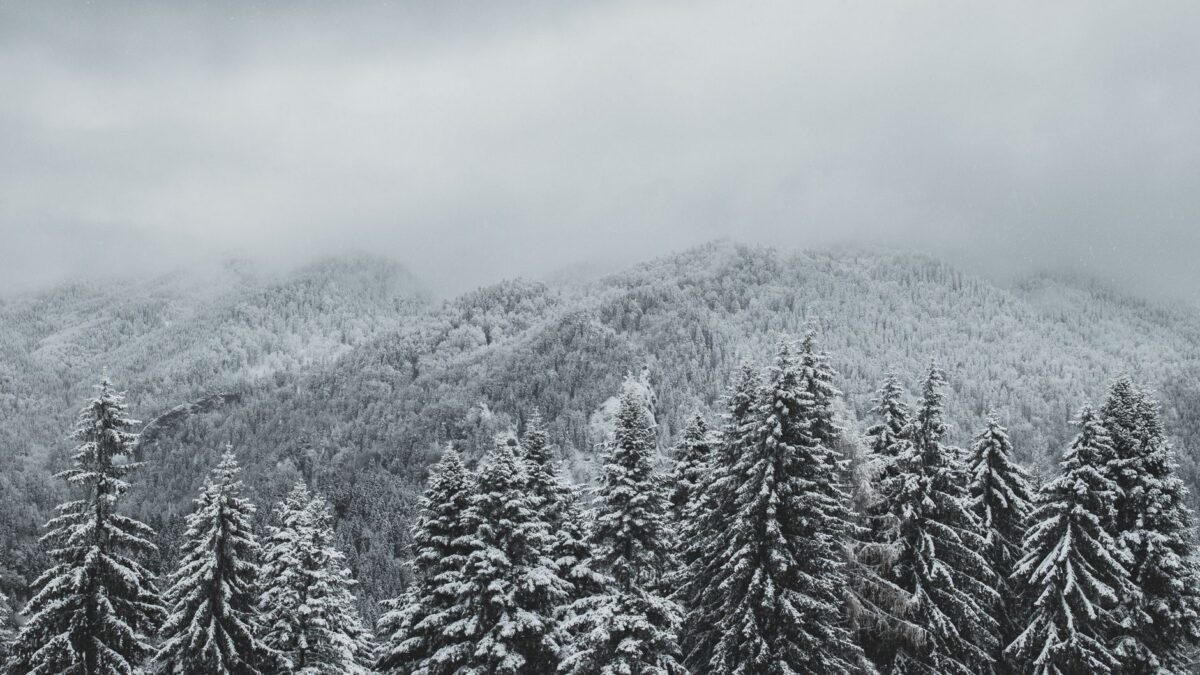
Madrid’s winter is cold, dry and mostly sunny. At the Retiro weather station, run by AEMET, Spain’s state weather agency, January averages 9.8°C by day and 2.7°C at night, with about six days of frost and roughly one day of snow per month, based on the 1981–2010 averages. Real snow is a short drive or train ride away in the Sierra de Guadarrama.
How cold does Madrid get in winter?
Madrid sits at about 650 meters above sea level on Spain’s central plateau, so winter nights are much colder than on the coast. Days are often clear, and on a sunny afternoon it can feel mild in the sun and cold in the shade.
| Month | Average high | Average low | Rain | Days with rain (1 mm or more) | Frost days |
|---|---|---|---|---|---|
| December | 10.0°C | 3.6°C | 51 mm | 6.8 | 4.5 |
| January | 9.8°C | 2.7°C | 33 mm | 5.7 | 6.2 |
| February | 12.0°C | 3.7°C | 34 mm | 5.2 | 3.0 |
Source: AEMET climate normals for Madrid Retiro, 1981–2010. Outlying districts and the airport are usually a few degrees colder at night than the Retiro.
What to wear: a warm coat, a scarf and layers you can take off indoors, where heating is often strong. Bring shoes that cope with rain; Madrid’s stone pavements get slippery when wet.
What happens when it snows in Madrid?
Snow in the city is unusual and rarely lasts more than a day or two. The big exception was storm Filomena in January 2021, which left the city under heavy snow, closed the airport and paralyzed traffic for days. The Ayuntamiento runs a winter weather plan with salt spreading and snowplows for main roads.
When snow or ice is forecast:
- Metro usually keeps running and becomes the most reliable way to get around.
- EMT buses may shorten or suspend routes on hills and in outlying districts.
- Parks such as the Retiro are often closed in snow, ice or strong wind to prevent injuries from falling branches.
- Schools can suspend classes if the regional government decides so; announcements come the evening before.
Check AEMET weather warnings and the city’s announcements before traveling.
What can you do in Madrid on cold days?
- Museums. The Prado, Reina Sofía and Thyssen all have free hours, and many smaller museums are always free. See our guide to free museum hours in Madrid.
- Christmas season. The lights stay on until Jan. 6, and the Plaza Mayor market runs to Dec. 31. Dates and hours are in our guide to Christmas in Madrid.
- Ice rinks. The city installs seasonal rinks over the holidays; in the 2025 season there were rinks at CentroCentro in Cibeles, Matadero, Plaza de España and Colón.
- Markets and long lunches. Indoor municipal markets and the traditional set lunch (menú del día) are made for winter. A bowl of cocido madrileño, the local chickpea and meat stew, is the classic cold-weather meal.
- Chocolate con churros. Thick hot chocolate with fried dough is a winter institution, especially on New Year’s Day morning.
- Theater and concerts. Winter is the main season for the Teatro Real, the Gran Vía musicals and the city’s concert halls.
When are the January sales?
The winter sales, the rebajas, traditionally start on Jan. 7, the day after the Three Kings, and run into February or early March. In the Comunidad de Madrid shops can set their own sale dates, so many chains start earlier with online or member-only offers. Discounts usually deepen in late January. Our guide to Black Friday and the rebajas in Madrid explains your rights on returns and sale prices.
How do you get to the snow in the Sierra de Guadarrama?
The Sierra de Guadarrama, about 50 to 60 km north-west of the city, has Madrid’s nearest snow, usually from December to March. The main destinations are the Puerto de Navacerrada pass, Cotos and the Valdesquí ski resort. Ski season dates depend on snowfall; check each resort’s own website for which slopes and lifts are open.
By train. Cercanías line C8 runs from Madrid to Cercedilla. From Cercedilla, the mountain line C9 normally climbs to Puerto de Navacerrada and Cotos. As of November 2026, Renfe has replaced the Cercedilla–Cotos trains with a road service because of infrastructure works by Adif, the rail network manager. Check the latest notice on renfe.com before you go, and expect queues for the replacement buses on snowy weekends. Our Cercanías guide covers fares and zones.
By bus. Intercity buses run from the Moncloa interchange to Puerto de Navacerrada and Cercedilla, with extra services on winter weekends.
By car. The mountain roads fill up quickly on snowy weekends, and parking at the passes is limited. Traffic authorities can require chains or winter tires and close access roads when car parks are full. Check road conditions with the DGT before leaving, and carry chains you know how to fit.
Snow in the Guadarrama is mountain weather: temperatures at the passes, which are close to 1,900 meters, can be well below zero with strong wind. Dress for it and stay on marked paths.
Bottom line
For a snow day, go on a weekday if you can: on Saturdays and Sundays with fresh snow, roads, car parks and replacement buses to the passes are often full by mid-morning. In the city, plan outdoor walks for the middle of the day, when the sun is warmest, and museums or markets for early morning and evening.
FAQ
Does it snow in Madrid?
Rarely in the city itself, about one day a month on average in January and February, and it seldom settles. The Sierra de Guadarrama gets regular snow in winter.
What is the coldest month in Madrid?
January, with an average low of 2.7°C and an average high of 9.8°C at the Retiro station.
Is Madrid worth visiting in winter?
Yes, for many people. Days are often sunny, museums and restaurants are less crowded outside the holidays, and the Christmas season runs until Jan. 6.
Can you reach the ski slopes by public transport from Madrid?
Yes. Take the Cercanías to Cercedilla and continue to Navacerrada or Cotos by the mountain line or, while works continue, its replacement road service. There are also buses from Moncloa.