Supermarkets in Madrid Compared: Prices, Chains and Opening Hours
How Madrid's supermarket chains compare on price according to OCU's September 2026 study, what each type of shop is good for, Sunday trading rules and delivery.
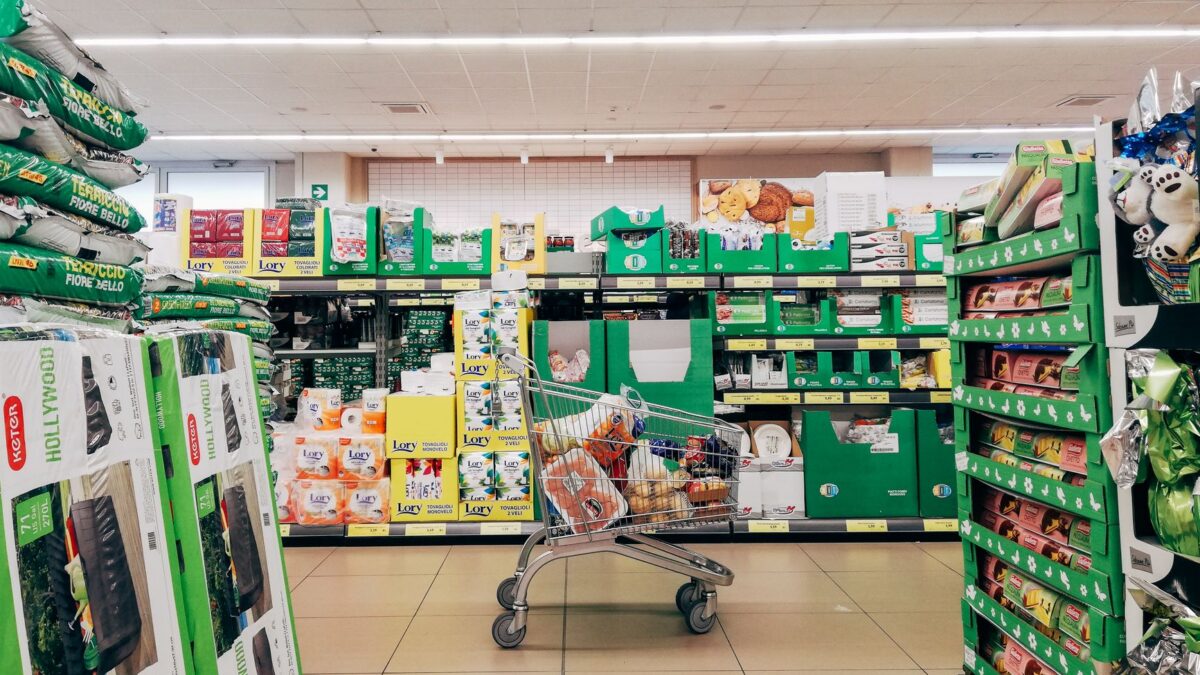
Where you shop changes your food bill more in Madrid than anywhere else in Spain. The consumer organisation OCU’s supermarket study of September 2026 found a gap of up to €4,381 a year between the cheapest and most expensive shops in Madrid for the same basket. Alcampo and Supeco rank among the cheapest chains; Sánchez Romero and the El Corte Inglés group are the most expensive.
What does the OCU 2026 study say about Madrid?
OCU (Organización de Consumidores y Usuarios) publishes Spain’s best-known independent supermarket price study every autumn. The 2026 edition, released on Sept. 25, 2026, collected 101,520 prices in 690 shops, including online supermarkets, using a basket of 244 products in 80 categories, and calculated price indexes for 189 cities.
- Largest gap in Spain: in Madrid, a household could save up to €4,381 a year by shopping at the cheapest store instead of the most expensive one.
- National average saving: €1,310 a year, about 20% of the average household food spend of €6,602.
- Most expensive Madrid stores: Sánchez Romero supermarkets on Arturo Soria and Paseo de la Castellana.
- Price trend: Mercadona, Lidl, Aldi, Carrefour Market and several other chains lowered their overall price level compared with the previous study.
- Nearby towns: Pozuelo de Alarcón and Majadahonda were among the most expensive towns in Spain for food shopping.
OCU’s full store-by-store results are published in its magazine and for members on its website. Prices change monthly, so use the study for relative positions rather than exact euro amounts.
How do the main chains compare?
The table sorts the chains you will find in Madrid by price position in OCU’s September 2026 results, as summarised in its press release, plus what each type of shop is useful for. Where OCU’s release does not rank a chain, the table says so rather than guessing.
| Chain | Price position (OCU, Sept. 2026) | Good for |
|---|---|---|
| Alcampo / Supeco | Among the cheapest chains | Large weekly shops; Alcampo hypermarkets and Supeco discount stores |
| Mercadona | Lowered its price level; not among the cheapest or dearest named | Own-brand range, many neighbourhood stores |
| Lidl and Aldi | Lowered their price level | Discount basics, weekly non-food offers |
| Carrefour (Market, Express, hypermarkets) | Carrefour Market lowered its price level | Wide range; small Express shops open long hours |
| Dia | Not ranked in OCU’s press release | Small neighbourhood stores across the city |
| Ahorramás | Not ranked in OCU’s press release | Madrid regional chain with fresh food counters |
| El Corte Inglés, Hipercor, Supercor | Among the most expensive chains | Imported and gourmet products |
| Sánchez Romero | Among the most expensive chains | Premium fresh food in upmarket districts |
A mixed strategy is common: basics at a discount chain, fresh food at a market, and specific imported products at a premium shop.
Are municipal markets cheaper?
Madrid city has dozens of municipal markets (mercados municipales), covered halls with independent stalls for meat, fish, fruit, bakery and often bars. Prices for seasonal fruit and vegetables can match or beat supermarkets, while specialist meat and fish cost more but are cut to order. OCU’s study covers supermarkets, not market stalls, so there is no official comparison.
Some markets, such as San Miguel near Plaza Mayor, are now mainly food halls for visitors; neighbourhood markets like Antón Martín, La Cebada or Chamberí still work as everyday markets. Stalls usually close in the afternoon and on Sundays. Our guide to El Rastro and Madrid’s markets lists hours.
Are supermarkets open on Sundays in Madrid?
Yes, many are. The Comunidad de Madrid has allowed shops to set their own opening days and hours since its 2012 trade law, so any shop can open on Sundays and public holidays. Whether it does is up to the chain:
- Mercadona stores close on Sundays.
- Other chains decide store by store, and many larger stores open on some or all Sundays; check the store finder of each chain for your branch.
- Small convenience shops and 24-hour stores fill the gaps late at night.
Weekday hours are typically from about 9 a.m. to 9:30 or 10 p.m., with no lunchtime closure at the big chains.
Which supermarkets deliver in Madrid?
Most big chains deliver in the city through their own websites or apps, with a minimum order and a delivery fee that falls or disappears above a certain spend. Quick-delivery apps bring smaller orders within an hour, usually at higher prices than the shelf. Online prices can differ from those in the store, and OCU now includes online supermarkets in its study. Compare the total including delivery before switching.
Bottom line
Compare your usual basket at two chains for one month before settling, since OCU’s results show positions shift every year. If you live near a neighbourhood market, buy fruit, vegetables and fish there and keep the supermarket for packaged goods; for broader household costs, see our guide to the cost of living in Madrid.
FAQ
What is the cheapest supermarket in Madrid?
OCU’s September 2026 study lists Alcampo and Supeco among the cheapest chains nationally. Individual store results vary, so check the shop nearest to you.
Is Mercadona cheap?
Mercadona lowered its price level in OCU’s 2026 study but was not named among the very cheapest chains. Its own-brand range is the main draw.
Are shops open on public holidays in Madrid?
Many are, since Madrid lets shops choose their own opening days. Hours on Christmas Day and New Year’s Day vary by chain, so check in advance.
Do supermarkets in Madrid charge for bags?
Yes. Spanish law bans free plastic bags, so shops charge for them. Bring your own bag or trolley.