EES Exemption for TIE Holders in Madrid: What to Carry
TIE and long-stay visa holders in Spain are exempt from the EES. Carry your passport and residence document at every Schengen border.
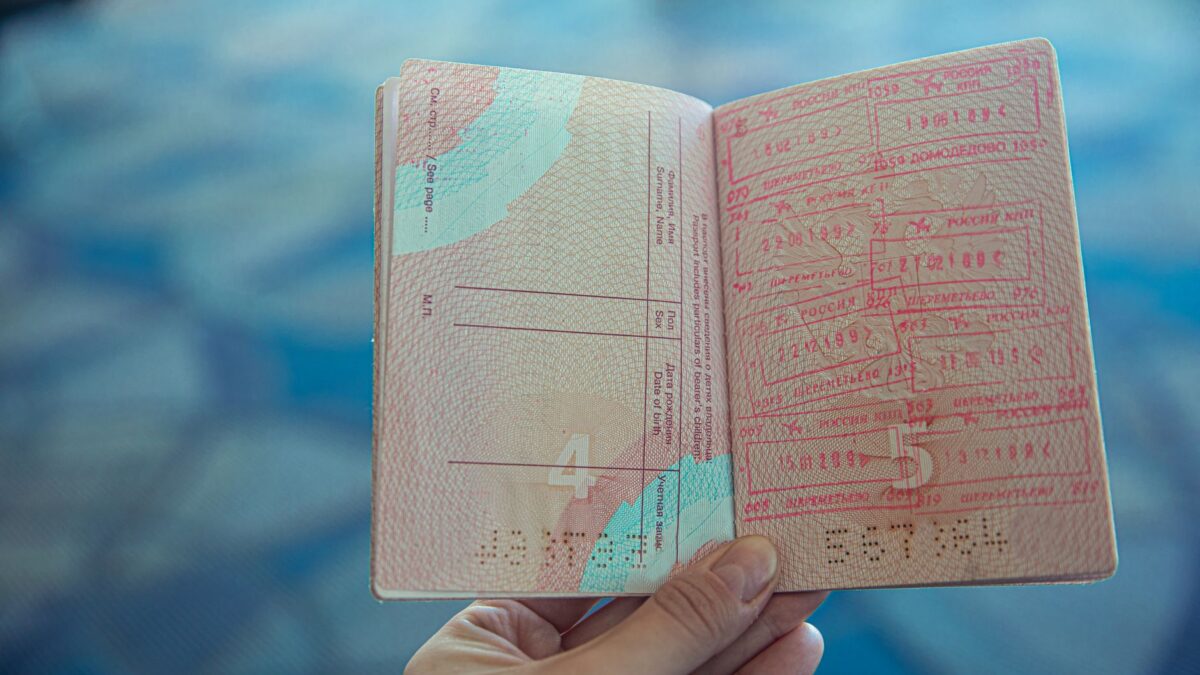
People living in Madrid with a TIE (Tarjeta de Identidad de Extranjero, the foreigner’s identity card), another Schengen residence permit or a long-stay Schengen visa are exempt from the EU’s Entry/Exit System (EES). Carry your passport and your residence document every time you enter, leave or travel within the Schengen area, so you can show at a glance that the EES does not apply to you.
What is the EES and when did it start?
The EES is an automated IT system that registers non-EU nationals on a short stay each time they cross the external borders of 29 European countries. According to the European Commission, it records the person’s name, travel document data, fingerprints, a captured facial image, and the date and place of entry and exit. It also records refusals of entry.
The progressive start of operations began on Oct. 12, 2025, and the system became fully operational on April 10, 2026. From that date it replaced the stamping of passports. The agency eu-LISA runs it, and its main purpose is to detect travellers who stay longer than allowed. Short-stay visitors are the people it targets, which is why residents of Spain are treated differently.
Who is exempt from the EES?
According to Wikipedia’s summary of the system, the EES does not apply to citizens of EU and EFTA countries, Andorra, Gibraltar, Monaco, San Marino and Vatican City. It also does not apply to several groups of foreign citizens. These are the ones that matter for Madrid residents:
- holders of a residence permit issued by a Schengen country;
- holders of a residence card issued by an EU or Schengen country, including beneficiaries of the Brexit Withdrawal Agreement, except those whose host state is Ireland or Cyprus;
- holders of a long-stay Schengen visa;
- holders of a valid local border traffic permit.
If you hold a TIE issued in Spain, you fall into the first or second group. If you are still waiting for your card, our guide to getting your TIE card in Madrid explains the fingerprint appointment and pickup.
What should you carry at the border?
Take your passport and your residence document together. The UK government’s Living in Spain guidance, written for British nationals, says to carry both when entering, leaving or travelling within the Schengen area. If border officers ask for your passport, show the residence document or other evidence of your residence status with it. GOV.UK adds that your passport may be stamped if you do not.
The same guidance says that a person who moved to Spain before Jan. 1, 2021 and has lived there legally since then has rights under the Withdrawal Agreement. A person in that position should hold a TIE.
Is a green certificate enough to avoid the EES?
No. People who moved to Spain before Jan. 1, 2021 may hold either a TIE or the green certificate (Certificado de Registro de Ciudadano de la Unión Europea). GOV.UK says the TIE is the only valid residency document listed in the Withdrawal Agreement. A green certificate therefore cannot serve as proof that you do not need to register with the EES. The Spanish authorities and the British Embassy and Consulates in Spain strongly recommend exchanging it for a TIE.
Anyone living in Spain before Jan. 1, 2021 without a residence document must register as a resident and get a TIE. The guide also reminds new arrivals to register on the municipal register (padrón municipal) at the local town hall. Children need their own residency documents.
What do dual citizens and families need to know?
Dual citizens of an EU or EFTA country should enter and leave Spain on their EU or EFTA passport, according to GOV.UK. Wikipedia adds that entering the Schengen area on a European passport means the person is not processed as a foreign tourist under the EES, which avoids short-stay limits and biometric collection at the border. Dual citizens should carry both of their passports.
Resident children travelling from Spain without a parent or legal guardian may need a letter of authority. GOV.UK points to its guidance on notarial and document services in Spain for those letters.
If you travel with a non-EU family member who has no residence document of their own, the exemption does not cover them. Check how they are classified before you book.
What happens if the EES does apply to you?
A first-time traveller registered in the EES provides a few personal details, and an officer takes a photo of the face or scans fingerprints, or both. Some travellers can register in advance at self-service points or through the Travel to Europe mobile app, where it is available. After the first registration, an officer checks identity on later crossings. At some border points, self-service kiosks are open to travellers who passed through the EES less than three years ago and hold biometric passports.
Visitors from outside the EU who are staying with you in Madrid are in this group. Our pieces on ETIAS for travellers to Madrid and on the 90/180-day rule for Latin American visitors cover what changes for them.
Quick answers
Do I have to register in the EES if I hold a TIE?
No. Holders of a residence permit or residence card issued by a Schengen country are on the exemption list. Carry the card with your passport so you can prove your status.
Does a long-stay visa exempt me too?
Yes. A long-stay Schengen visa is on the same list. Once you arrive in Spain on one, you must register as a resident, so check the next step with the foreigners’ office (extranjería).
Who can help with questions about my permit?
GOV.UK says to contact your local extranjería office or police station, the Spanish consulates, or an English-speaking lawyer in Spain. A gestor, a private professional agent for administrative tasks, can also help.
Checked against official sources in November 2026. Hours, prices and rules change: confirm on the official page before you go or apply.