La Movida Madrileña Explained: Madrid’s 1980s Counterculture
La Movida Madrileña was the counterculture that grew in Madrid after Franco's death in 1975. Origins, music, film, art and key names explained.
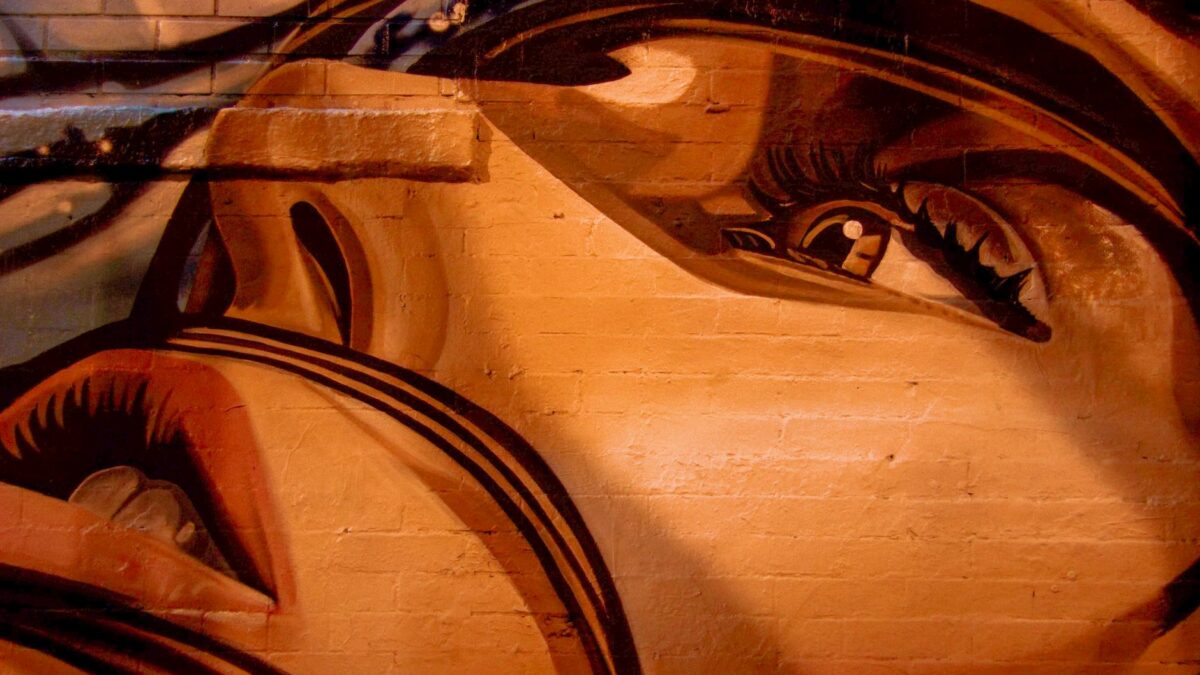
La Movida Madrileña (roughly “the Madrid scene”) was a countercultural wave that rose in Madrid during Spain’s transition to democracy, after the dictator Francisco Franco died in 1975. It mixed punk and synth-pop music with new fashion, photography, comics, film and street art, and it spread from the capital to other Spanish cities. The tribute concert for “Canito” on Feb. 9, 1980, is traditionally treated as its starting point, according to Wikipedia’s article on the movement, which is the source for this guide.
What was La Movida Madrileña?
It was an unplanned cultural scene rather than an organized group. Its core was an aesthetic drawn from punk rock and synth-pop, plus visual schools such as dada and futurism. That look reached street fashion, photography, cartoons and murals: bright colours, voluminous hair, unconventional and revealing clothes, and heavy makeup worn by both men and women.
The scene also brought in an open attitude to sexual expression, drug use and a growing LGBTQ+ community. It produced its own slang, cheli, a street dialect. The scene was hedonistic, and the same source says it was anti-systemic and nihilistic and was not a political movement. Some participants said they had no shared ideology at all, though many elements leaned antifascist and anarchist.
How did it begin after Franco’s death?
In the years after 1975, an underground punk scene formed in Madrid, inspired by punk in the United Kingdom. Bands such as Tos and Aviador Dro appeared in the late 1970s. They clashed with a state that still had an evening curfew for women, criminalised homosexuality and arrested people with unorthodox appearances under a law on “dangerousness and social rehabilitation”.
The movement gained wide notice after a large concert on Feb. 9, 1980, at the Higher Technical School of Civil Engineers (ETSICCP) at the Technical University of Madrid. Francoist elements kept opposing the liberalization of the city. The Ayuntamiento de Madrid (Madrid City Council), under the socialist mayor Enrique Tierno Galván, took a more open line and subsidized various artistic projects. Foreign artists including The Ramones and Andy Warhol visited Madrid in this period.
Which bands defined the Movida sound?
Musicians borrowed moods and looks from punk rock, post-punk, synth-pop and new wave, and from Germany’s Neue Deutsche Welle. Mecano sometimes copied the visual style of the British New Romantic movement. Two popular bands were Mecano and Alaska y los Pegamoides. Their songs “¿A quién le importa?” (What’s it to you) and “Ni tú ni nadie” (Not you, not anyone) carried themes of self-expression and confidence.
Other names the source lists include Kaka de luxe, Derribos Arias, Parálisis Permanente, Ejecutivos agresivos, Radio Futura, Alaska y Dinarama, Los Nikis, Gabinete Caligari, Nacha Pop, Glutamato Ye-Yé and Los Secretos. Parallel scenes grew in other cities. Barcelona had Loquillo y los Trogloditas, León had Los Cardiacos, Vigo had Siniestro Total and Golpes Bajos, and Granada had 091.
What was Pedro Almodóvar’s role?
Pedro Almodóvar is the movement’s most internationally famous figure. His early comedies, including Pepi, Luci, Bom y otras chicas del montón, Laberinto de pasiones and ¿Qué he hecho yo para merecer esto! (1984), reflected the messy freedom of those years. His films dealt with homosexuality, criticised the Catholic Church and Francoism, and showed characters who challenged traditional family and gender roles.
Television carried the look to a wider audience. The programs La Bola de Cristal and La Edad de Oro spread the aesthetics of the movement beyond the clubs.
Who were the photographers, painters and street artists?
Alberto García-Alix, Ouka Leele and Miguel Trillo photographed bands, concerts and the scenes around them. The illustrator Ceesepe is considered a major figure. With his friends El Hortelano and Ouka Leele he moved from comics to painting. Ouka Leele’s photographs were black-and-white images with colour painted on by hand.
Juan Carlos Argüello, known as Muelle, was the movement’s main street artist. His style came out of the Campamento neighbourhood and was later called “graffiti autóctono madrileño” (native Madrid graffiti). He also played drums in a punk band, Salida de Emergencia, and died in 1995. Madrid authorities first treated Movida graffiti with suspicion, but the city has since preserved and promoted it. On Oct. 19, 2016, Madrid dedicated a garden to him in the neighbourhood where he lived.
Who wrote about the Movida?
Writers including Gregorio Morales, Vicente Molina Foix and Luis Antonio de Villena took part in the Tertulia de Creadores. This was a cycle of meetings, lectures, debates and happenings held at the Círculo de Bellas Artes in Madrid between 1983 and 1984. Several of them wrote for the art magazine La Luna de Madrid. Oscar Mariné’s magazine Madrid Me Mata (Madrid Kills Me) also helped build a shared identity. The journalist Francisco Umbral wrote about the movement and documented it for the newspaper El País.
Quick answers
When did La Movida Madrileña start?
The tribute concert for “Canito” on Feb. 9, 1980, is traditionally regarded as the start. The underground punk scene behind it had been forming in Madrid since Franco’s death in 1975.
Was La Movida a political movement?
No. The source describes it as anti-systemic and nihilistic rather than political, although many elements were antifascist and had anarchist leanings.
Did La Movida spread beyond Madrid?
Yes. It spread to cities including Barcelona, Bilbao and Vigo, and similar scenes grew in León and Granada.
Checked against official sources in November 2026. Hours, prices and rules change: confirm on the official page before you go or apply.