Spain Approves €17.142 Billion Grid Plan and Data Centre Rules
Spain's cabinet backed a €17.142 billion grid expansion and a decree tying data centres to hourly renewable supply, weeks before the 29 November vote.
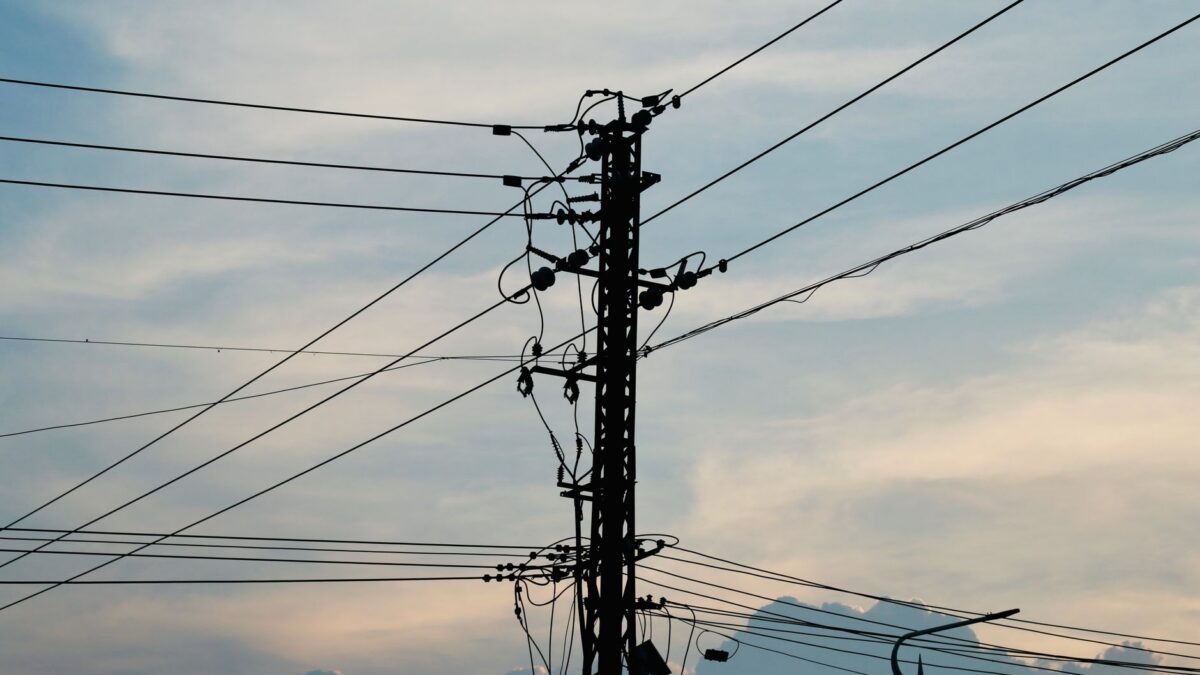
Ministers signed off on Friday on the largest transmission investment Spain has planned: €17.142 billion for the electricity network through 2030. The same session produced a Royal Decree that puts new obligations on data centres. Those obligations became effective on Sunday, Spain in English reported.
The decree is now part of the campaign. The People’s Party (PP) says it will scrap the measure if it wins the 29 November election.
Where the grid money goes
Spending covers fresh lines, reinforcement of existing ones, extra substations and better interconnection with neighbouring countries. Planners expect 47.4 gigawatts (GW) of added demand as industry, households and transport shift to electricity. RTVE, the state broadcaster, said the budget is 146% larger than the 2022 plan and roughly 30% above what was first floated in public consultation.
Factories and decarbonisation projects account for the biggest slice of that demand, 14.9 GW. Renewable hydrogen and related fuels get 12.4 GW. Data centres are allotted 9.3 GW, and 6 GW is set aside for housing and regional development. Ecological Transition Minister Sara Aagesen said the housing figure would cover up to three million new homes with high energy efficiency.
What data centres must now prove
For most operators, at least 80% of consumption in any given hour has to be covered by renewable electricity produced during that hour. They also need to demonstrate that new renewable capacity in Spain stands behind their load, though some older plants are exempt. Companies can meet the test with their own plants, multi-year supply contracts or batteries and other storage.
Firms willing to be among the first customers disconnected during grid stress can use a five-year transition route with looser terms. Until European benchmarks are final, the decree applies temporary water and energy efficiency standards, and bigger sites must publish reports on their environmental impact.
Sites running systems in the top tier of the National Security Framework, such as health, tax, energy or transport data, must store their most sensitive information within the European Economic Area and control any remote access for administration, maintenance or support from outside it.
Permitted projects that are not yet connected generally get six months to show they comply. Applications still pending generally get three months. Falling short of the renewable requirements can mean compensation payments, and penalties can include losing grid access and connection rights for as long as three years.
Why it matters for power bills
Data centres hold access permits for about 15 GW already, and Aagesen said roughly 3 GW of that appeared in recent months. Euronews reported another 20 GW is waiting for approval. Because such sites draw electricity constantly, the government fears that Spain would end up burning more natural gas whenever wind and solar output drops.
Aagesen said bills would absorb a hit of 5,000 million euros without the decree. Government modelling splits that into €4 billion a year from higher wholesale prices and €1 billion for payments that keep enough generation available. In one scenario industrial customers would face electricity costs 25% higher. These numbers describe what ministers expect if the sector grows without limits.
Opposition and industry reactions
Alberto Nadal, the PP’s deputy secretary for the economy, posted on X that the decree in practice prohibits new data centres. His party would replace it with a law allowing projects to proceed while protecting sustainability.
Reuters reported that Amazon Web Services and Microsoft say their Spanish plans have not changed. Two executives at other developers told the agency that the power requirements would make many projects unprofitable and that they were considering France and Portugal instead.
Source: Spain in English