Spain Exempts Over-65s From Income Tax on Donated Family Home
Spaniards over 65 who give their main home to their children owe no income tax on the gain, but the children still pay donation tax. Rules explained.
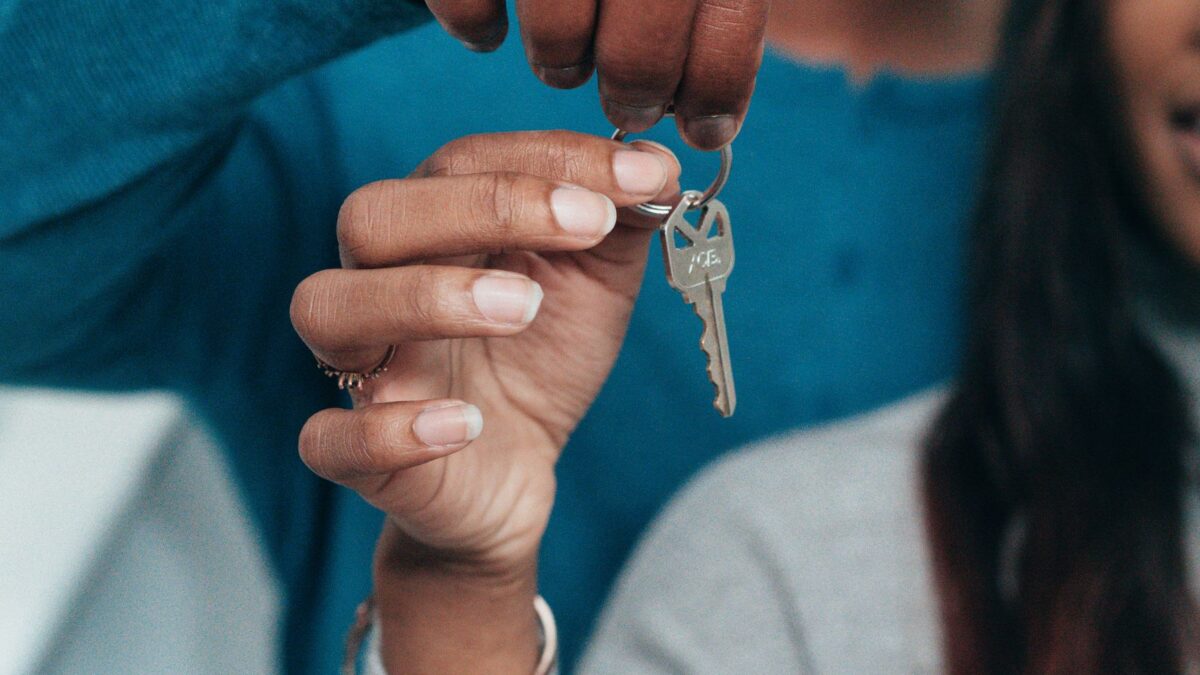
People over 65 in Spain can donate their main home to their children without paying personal income tax (IRPF) on the gain, according to a binding ruling from the tax authority. The condition is that the house is the donor’s habitual residence. The children, however, still owe tax on receiving it.
The rule was recalled by economist Montse Cespedosa, who presents herself as an accredited mortgage expert and posts on TikTok. In a video posted on Sept. 20, she said the tax agency confirms that over-65s can donate a home to their children without paying tax on it.
Why do over-65s owe no IRPF on a donated home?
The tax agency (Hacienda) treats a donor as having made a capital gain, the difference between what the home cost and what it was worth on the day of the donation, as if the owner had sold it. That gain normally goes into the donor’s income tax return.
Article 33.4.b of the IRPF law exempts the transfer of a habitual home by people over 65. The Dirección General de Tributos (DGT, the tax directorate) applied it in binding ruling V1261-25, signed on July 9, 2025, after an elderly couple asked whether donating their habitual home to their children would trigger tax. The DGT said the gain would be exempt. According to the ruling, this holds whether the parents give full ownership or only the bare ownership (nuda propiedad, the right to the property without the right to live in it). Cespedosa added that people in a situation of severe dependency are also covered.
What counts as a habitual home?
The IRPF regulations define it as the home where the taxpayer has lived continuously for at least three years. There is some room for people who have already moved out: the exemption still applies if the house was the parents’ habitual home when they donated it, or was until any day in the previous two years.
After that window, the exemption disappears. In ruling V0217-26, from February 2026, the DGT looked at a man over 65 who had lived in his flat for 20 years and had rented it out for more than 14. The directorate concluded that selling or donating it would no longer be the transfer of his habitual home.
Who pays tax when parents donate the home?
The exemption covers only the parents. Cespedosa said in the same video that the children will have to pay donation and inheritance tax. Under the law on that tax, the person who receives the house, the donee, is the one obliged to pay.
The municipal capital-gains levy known as plusvalía municipal also falls on the children. The local finance law says that in free transfers it is paid by whoever acquires the property.
Why it matters for families
Parents often think only of the tax their children will face on a donation, yet the operation also reaches the parents’ own income tax return. For over-65s, the DGT’s reading removes that second bill when the home is their main residence. For readers who want background on how IRPF works in the Madrid region, see this explainer on IRPF brackets and regional deductions in Madrid.
Cespedosa said in a separate video, from March 30, that she plans to donate the bare ownership of her own home to her children and keep a lifetime right of use (usufructo vitalicio) so she can go on living there. In the same video she noted that in most autonomous communities, donations between parents and children get very large tax reductions.
Source: Okdiario