Medical Emergencies in Madrid: When to Call 112 and Where to Go
One free number covers ambulances, police and fire. Here is how Madrid emergency care works and what visitors with or without an EHIC pay.
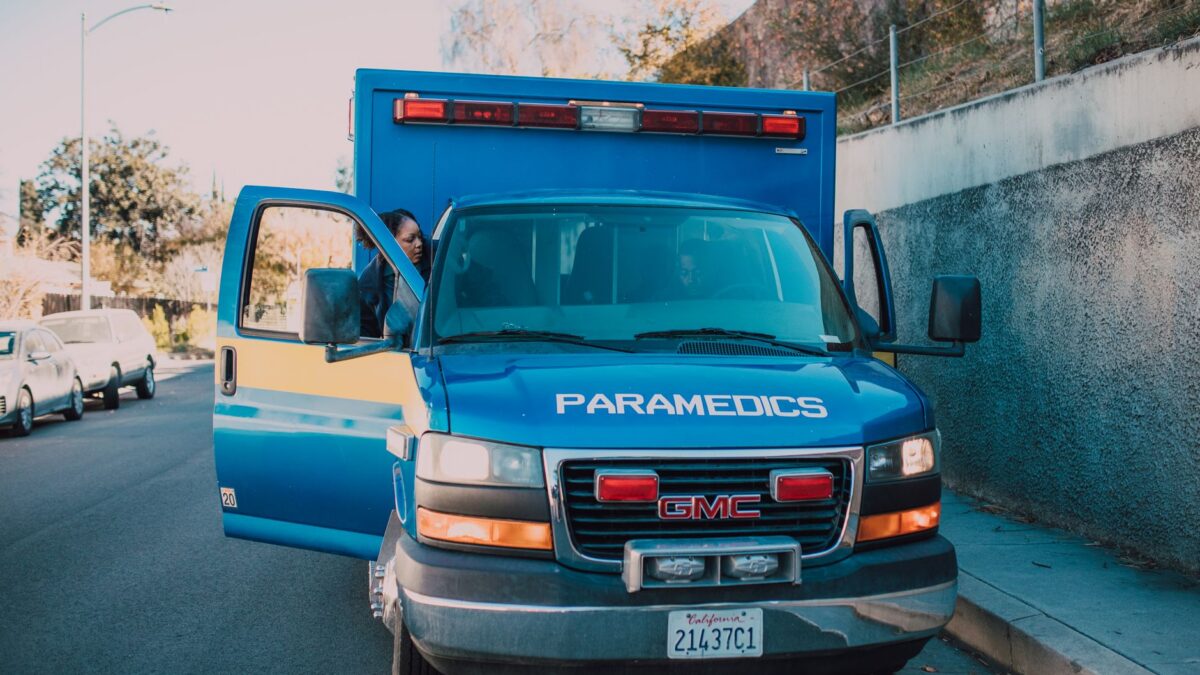
In a medical emergency in Madrid, call 112. The call is free, works from any phone and is answered by the regional emergency center, which sends an ambulance from SUMMA 112 (the Comunidad de Madrid’s service) or SAMUR-Protección Civil (Madrid city’s service). For urgent but not life-threatening problems, go to the urgencias (emergency department) of a public hospital.
When should you call 112?
Call 112 when someone’s life or health is at immediate risk and they should not be moved, or when you need police or firefighters as well. Typical reasons:
- Chest pain, signs of a stroke (face drooping, slurred speech, weak arm), or trouble breathing.
- Unconsciousness, a seizure or a severe allergic reaction.
- Serious injuries from a traffic accident, a fall or violence.
- Heavy bleeding, burns over a large area, or suspected poisoning.
The operator asks where you are, what happened and how the person is. Stay on the line and follow the instructions. Calls can usually be handled in English, though it helps to give the street name and number clearly in Spanish. If you are unsure of the address, name the nearest Metro station or a landmark.
For a problem that can wait a few hours, such as a high fever, a minor cut or an earache, go to your centro de salud (public health center) during opening hours, or to a hospital emergency department if it is closed.
What is the difference between SUMMA 112 and SAMUR?
Both are public emergency medical services, and both are coordinated through the same 112 number. You do not choose which one comes.
| Service | Run by | Main area |
|---|---|---|
| SUMMA 112 | Comunidad de Madrid (regional health service) | The whole region, including homes and towns outside the capital |
| SAMUR-Protección Civil | Ayuntamiento de Madrid (city council) | Emergencies on the street and in public places in Madrid city |
SAMUR-Protección Civil combines professional staff and volunteers and covers events such as concerts, marathons and New Year’s Eve in the city. Inside a home, the response usually comes from SUMMA 112. Under an agreement between the city and the region, SAMUR is integrated into the regional 112 call system, so the operator dispatches whichever unit is appropriate.
Which hospitals have the main emergency departments?
Madrid’s large public hospitals all run 24-hour emergency departments for adults, and most also have separate children’s and maternity emergencies. Five of the biggest are listed below. Your nearest public hospital is the one assigned to your health center, but in an emergency any of them will treat you.
| Hospital | Area | Nearby public transport |
|---|---|---|
| Hospital Universitario La Paz | North, on Paseo de la Castellana (Fuencarral district) | Metro Begoña (Line 10) |
| Hospital General Universitario Gregorio Marañón | Central east, Retiro and Salamanca area | Metro O’Donnell (Line 6) and Sainz de Baranda |
| Hospital Universitario 12 de Octubre | South, Usera district | Metro Hospital 12 de Octubre (Line 3) |
| Hospital Clínico San Carlos | West, Moncloa and Ciudad Universitaria | Metro Islas Filipinas (Line 7) and Moncloa area buses |
| Hospital Universitario Ramón y Cajal | North, on the Colmenar Viejo road | Cercanías Ramón y Cajal and EMT buses |
The Comunidad’s Tarjeta Sanitaria app includes a feature to check the nearest emergency service in real time, which helps when you are in an unfamiliar part of town. Check exact entrances on the hospital’s own page on comunidad.madrid before you need them, as large hospitals have several buildings.
What happens when you arrive at urgencias?
- Admission. Show your health card, or your passport and insurance documents if you do not have one.
- Triage. A nurse assesses how urgent your case is. Patients are seen in order of severity, not arrival, so minor problems can wait several hours on busy nights.
- Treatment. You are seen by an emergency doctor, who may order tests, keep you under observation or admit you.
- Discharge. You receive a written report (informe de alta). Keep it and show it to your family doctor or insurer.
What should you bring?
- Your health card, or your passport and the EHIC or private insurance card.
- A list of the medicines you take, with doses.
- Any recent reports or test results related to the problem.
- A phone charger and something to read: waits can be long.
If you need medicines at night after discharge, find the nearest duty pharmacy using our guide to pharmacies on duty in Madrid.
How much does emergency care cost visitors?
Public hospitals treat everyone in an emergency. Who pays afterward depends on your cover.
| Your situation | What usually happens |
|---|---|
| Madrid resident with a health card | Free at the point of use |
| EU, EEA or Swiss visitor with a valid EHIC (UK visitors with a GHIC) | Necessary care on the same terms as residents |
| Visitor without an EHIC or valid card | The hospital can bill you at the Comunidad de Madrid’s official public prices |
| Visitor with travel insurance | You may pay and claim back, or the insurer pays the hospital directly |
Call your travel insurer’s assistance line as soon as you can; many require notice before or soon after treatment. The public price list changes and depends on the services provided, so ask the hospital’s admissions desk for the bill breakdown.
Bottom line
Save 112 and the address of your home in Spanish in your phone notes, so you can read it out under stress. Visitors should carry the EHIC or GHIC in their wallet, not in a suitcase: hospitals ask for it at admission.
FAQ
Is 112 the only emergency number in Madrid?
It is the one to remember, because it connects to medical, fire and police services. The national police (091) and Madrid’s municipal police (092) also have their own numbers.
Can I go to a private hospital instead?
Yes, if you have private insurance or are willing to pay. Many private hospitals in Madrid have 24-hour emergency departments.
Do ambulances charge?
Ambulances sent by 112 do not charge residents with public cover. Visitors without cover may be billed under the regional public prices.
Does 112 work from a foreign mobile?
Yes. 112 is the common emergency number across the EU and works from foreign SIM cards and phones without credit.