Thyssen-Bornemisza Museum Madrid: Hours, Tickets and Collection
The Thyssen in Madrid charges €14 for the collections and exhibitions, with free entry on Mondays and Saturday nights. Hours, tickets and what to see.
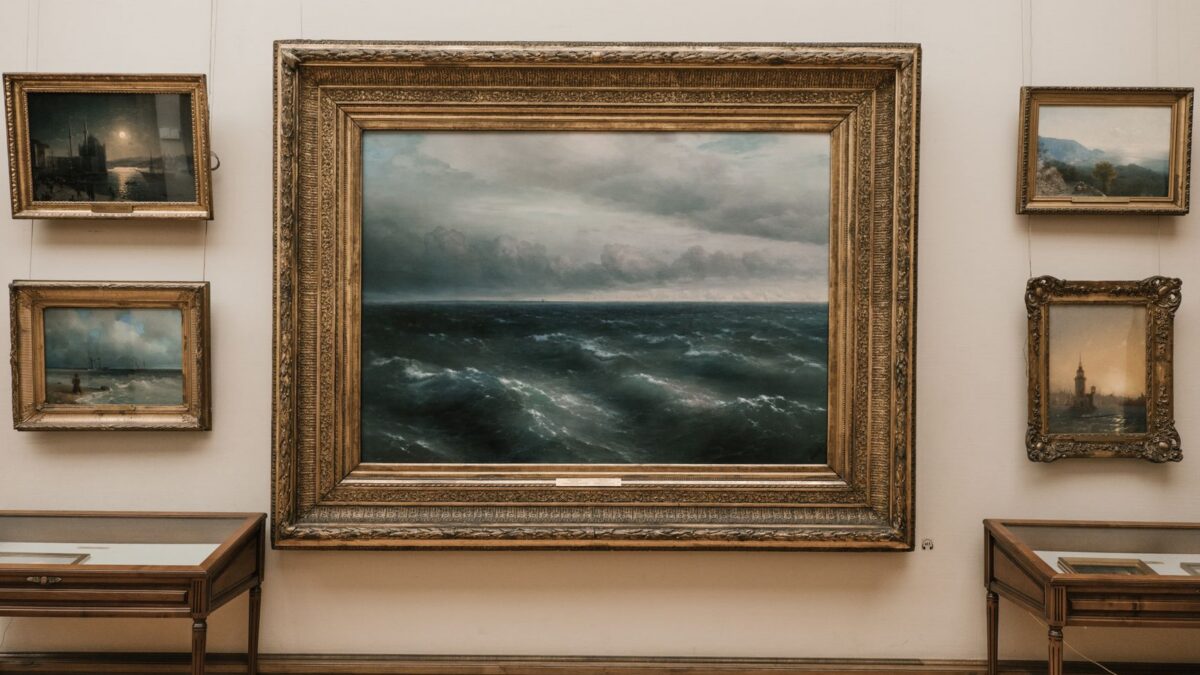
The Museo Nacional Thyssen-Bornemisza (Thyssen-Bornemisza National Museum) is an art museum on the Paseo del Prado in Madrid, next to the Prado. Full admission to the collections plus temporary exhibitions is €14. Entry is free on Mondays, and on Saturday nights from 21.00 to 23.00.
The museum’s own visit page lists the hours and fees for the current day, so check it before you go. The Madrid tourism site describes the collection, and Wikipedia’s entry on the museum gives the address as Palace of Villahermosa, Paseo del Prado, 8.
What does it cost to get in?
The standard ticket for the permanent collection and temporary exhibitions is €14. The museum lists several ways to pay less or nothing:
- Mondays: free and direct access, with no ticket required.
- Saturday nights, called Thyssen Nights with Uber: free entry from 21.00 to 23.00, run with the tourism department of the Ayuntamiento de Madrid (Madrid City Council).
- Free entry with an extra guest: available any day of the week through the museum’s ticket office, subject to availability. The conditions are published in Spanish.
The tourism site adds that the Saturday-night access covers the temporary exhibitions on the ground floor and floor -1 or, when none is on, the Carmen Thyssen Collection.
What are the opening hours?
On the day the page was checked, the permanent collection and exhibitions on floors 1 and 2 were open from 10.00 to 21.00. One temporary show, The Freudian Universe of Dalí, and a second by Seba Calfuqueo, Cautín, ran from 10.00 to 23.00. Hours differ by day and exhibition, and the museum keeps a detailed schedule on its visit page, so confirm the day you plan to come.
Is there a pass that includes the Prado and the Reina Sofía?
Yes. The Art Walk card covers one visit to the Thyssen’s permanent collection and one visit each to the Prado and the Reina Sofía. It is valid for one year from the date of purchase. The tourism site calls it the Abono Paseo del Arte and says it gives the three museums at a reduced price. For a comparison of when each museum is free, see free museum hours at the Prado, Reina Sofía and Thyssen.
What is in the collection?
The permanent collection runs from the Middle Ages to the end of the 20th century. The tourism site counts more than 1000 works, while Wikipedia gives 1,600 paintings, so treat the figures as approximate. It names Italian primitives, the German Renaissance, 19th-century American painting, Impressionism, German Expressionism and Russian Constructivism among the best-represented schools.
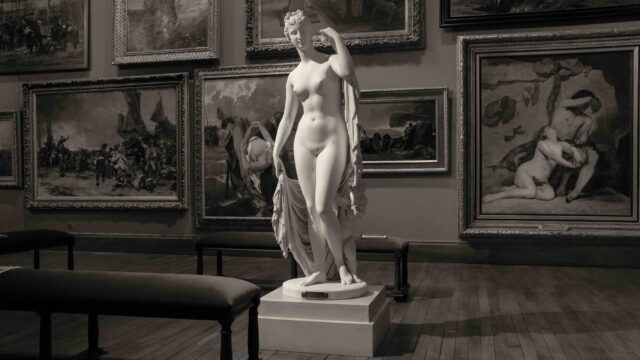
The strongest early material is 14th-century Italian painting and early Flemish art. The museum holds Duccio’s Christ and the Samaritan Woman and Jan van Eyck’s Diptych of the Annunciation, a grisaille, meaning a painting that imitates sculpture. Among 15th-century portraits it points to Ghirlandaio’s Giovanna Tornabuoni and Carpaccio’s portrait of an unknown gentleman. Dürer, Caravaggio, Rubens, Frans Hals and Canaletto cover the Renaissance through the Baroque era and beyond.
The later rooms include Monet, Degas, Gauguin and Van Gogh, and 20th-century work such as Picasso’s Harlequin with a Mirror, Kandinsky’s Painting with Three Spots, Dalí’s dream of a bee flying around a pomegranate, Chagall’s The Rooster, Hopper’s Hotel Room and Lichtenstein’s Woman in Bath.
How is the museum laid out?
The second floor holds the Old Masters up to the early 19th century. The first floor has the Modern Masters, from Impressionism to the 20th century. The ground floor has its own entrance at the start of the hall and shows 180 works from the Carmen Thyssen Collection, in chronological order from Dutch Golden Age painting to 20th-century art. The tourism site advises starting with the part of the collection that interests you most, given how much there is.
The museum also warns that works are often out on loan to other exhibitions. If a painting you want is missing, a notice and a replacement hang in its place.
Where does the collection come from?
Baron Heinrich Thyssen-Bornemisza began collecting in the 1920s, and by the tourism site’s count he gathered around 525 paintings. After his death in 1947 the works were split among his heirs, and his son, Baron Hans Heinrich, bought many of them back. The collection was first kept at Villa Favorita in Lugano, Switzerland. It outgrew the villa, and the Spanish state offered the Palacio de Villahermosa in Madrid, a late 18th-century building renovated by Rafael Moneo. The museum opened in 1992, and Spain bought 775 works in 1993, according to Wikipedia.
The Carmen Thyssen Collection is a separate group of works, leased to the museum under an agreement signed in February 2022 by Carmen and Borja Thyssen-Bornemisza and the Ministerio de Cultura y Deporte (Ministry of Culture and Sport). The works stay for 15 years, with a right to buy at the end.
How do I get there?
The nearest Metro stop is Banco de España, according to Wikipedia. The museum sits in the Paseo del Arte area, so it combines easily with a Prado visit. For wet weather, the article on museums and indoor sights in Madrid lists other options.
Quick answers
Is the Thyssen free on Monday?
Yes. The museum states that Monday entry is free and direct, with no ticket required.
When are Thyssen Nights?
Saturday nights, from 21.00 to 23.00, with free entry.
Does the €14 ticket include the temporary exhibitions?
Yes. The fee listed on the museum’s page covers the collections and temporary exhibitions together.
Checked against official sources in November 2026. Hours, prices and rules change: confirm on the official page before you go or apply.