Prado Museum Madrid: What to See, History and Visit Tips
The Prado holds Velázquez, Goya and Bosch. See what the galleries cover, how the museum began and how to plan a visit on the Paseo del Arte.
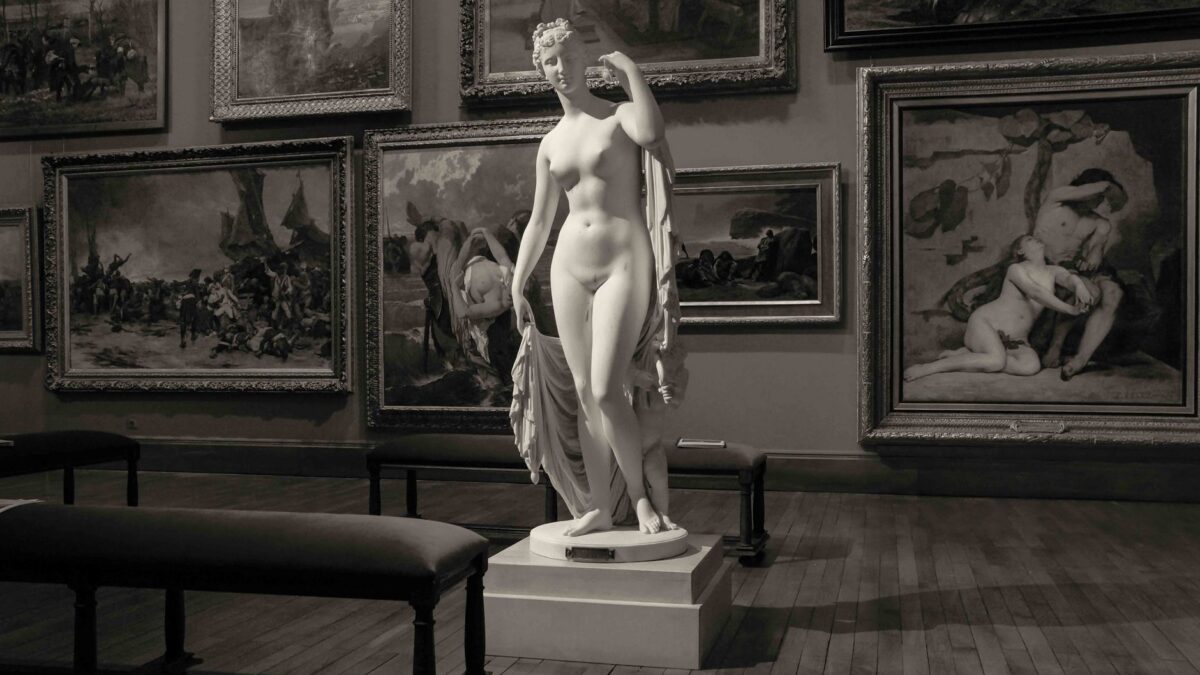
The Museo del Prado (Prado Museum) is Madrid’s main national art museum, on the Paseo del Prado, and the single best collection of Spanish art in the world, according to Wikipedia. Visitors come for Velázquez’s Las Meninas, Goya’s Third of May, 1808, Bosch’s The Garden of Earthly Delights and a long list of Italian and Flemish masters. Opening hours and ticket prices are not covered here, so check the museum’s own website before you plan your day.
The Tourism Madrid page on the Prado advises deciding what you want to see before you go in, because the collection is large. It also says the museum’s website suggests three itineraries of 1, 2 and 3 hours.
What is in the Prado collection?
Tourism Madrid counts 8,600 paintings and over 700 sculptures. Wikipedia gives different figures: around 7,600 paintings, 1,000 sculptures, 8,200 drawings and 4,800 prints. It adds that as of 2012 about 1,300 works were on display in the main buildings. Counts vary by source and date, so treat them as approximate.
The works come mostly from the former Spanish royal collection. Wikipedia says that collection grew significantly from the 16th century under Charles V and the Habsburg and Bourbon monarchs who followed him.
Which galleries should you not miss?
Spanish painting. Tourism Madrid calls the Prado’s holding of Spanish painting the most comprehensive in the world. A visit can begin with the Mozarabic murals from the Church of San Baudelio de Berlanga, which date from the 11th century, then move through Bartolomé Bermejo, Pedro Berruguete, Juan de Juanes and Luis de Morales, tracing the shift from Spanish-Flemish Gothic painting to the Renaissance. The El Greco galleries include The Knight with his Hand on his Breast and The Holy Trinity.
Golden Age painters on show include Ribera, Zurbarán, Murillo and Velázquez, whose Las Meninas and The Seamstresses hang here. The Goya galleries run from tapestry cartoons made for the Royal Tapestry Factory to the Black Paintings, which Goya painted on the walls of his house, La Quinta del Sordo (Deaf-Man’s Villa). According to Wikipedia, Goya is the single most extensively represented artist, and the Black Paintings came as a gift from Baron Emile d’Erlanger in 1881.
Italian schools. The 15th-century works include Fra Angelico’s Annunciation, Botticelli’s chest with the story of Nastagio degli Onesti, Mantegna’s The Death of the Virgin and Antonello da Messina’s The Dead Christ Supported by an Angel. The 16th century brings Raphael, Titian, Tintoretto and Veronese, and the Baroque is shown through Caravaggio, Guido Reni and Annibale Carracci.
Flemish and other northern art. Strong political ties between the Spanish monarchy and Flanders built this collection. It runs from Van der Weyden’s The Descent from the Cross and Bosch to Rubens, the Bruegel family, Jordaens and Teniers. There are also works by Dürer, Claude Lorrain, Rembrandt and Watteau.
Sculpture and decorative arts. Tourism Madrid describes these galleries as equally fascinating even if less famous. They hold Roman statues, the Dauphin’s Treasure (luxury vessels inherited by Philip V) and sculptures by Leone and Pompeo Leoni.
How did the Prado begin?
The building was designed by Juan de Villanueva. Wikipedia says the design dates from 1785 and was ordered by Charles III to house a Natural History Cabinet. Ferdinand VII, encouraged by his wife, decided to use it instead as a museum for the royal paintings. Sources differ on the opening date: Tourism Madrid gives Nov. 10, 1819, while Wikipedia’s summary box lists Nov. 19, 1819 and its text says only November 1819.
At the start of the Spanish Civil War the artworks were moved to the basement and sandbagged against possible bombing. On the advice of the League of Nations, they were then taken to Valencia and on to the League’s headquarters in Geneva. When the Second World War broke out soon afterward, the collection came back to Madrid.
What is the permanent display on the museum’s own history?
Since March 17, 2021, Rooms 100, 101 and 102 of the Villanueva building have held a permanent display on the museum’s more than 200 years of history, told through its architecture. It has 265 items, including more than 50 photographs, 9 architectural models, documents, postcards, prints, plans and objects from the daily life of the museum.
Where are the other Prado buildings?
The Villanueva building holds most of the paintings and sculptures. Behind it, next to the Cloister of Los Jerónimos, stands the extension by architect Rafael Moneo, which has temporary exhibitions, restoration workshops, an auditorium, a café, a restaurant and offices. A few meters away, next to El Retiro Park, the Casón del Buen Retiro (once the dance hall of the former Palace of El Buen Retiro) is now a library and reading room for researchers.
Tips for visiting
The Prado sits on the Paseo del Arte, along with the Thyssen-Bornemisza and Reina Sofía museums. Tourism Madrid promotes a Paseo del Arte Pass that gives a reduced rate for the three. Wikipedia reports that the three form Madrid’s Golden Triangle of Art, and that the Paseo del Prado was added to the UNESCO World Heritage list in 2021.
Wikipedia records 3,337,550 visitors in 2023, which ranked the museum 13th globally that year. With numbers like that, picking one of the 1, 2 or 3 hour routes in advance makes sense. Our guide to free museum hours in Madrid compares the Prado with the Reina Sofía and Thyssen, and a rainy-day list of museums and indoor sights has other options nearby. For a second royal stop, see visiting the Royal Palace of Madrid.
Quick answers
Where is the Prado?
On the Paseo del Prado in central Madrid, according to Wikipedia. The Villanueva building is the main one, with the Moneo extension behind it and the Casón del Buen Retiro near El Retiro Park.
How long does a visit take?
The museum’s website suggests itineraries of 1, 2 and 3 hours, according to Tourism Madrid.
Can you see the Black Paintings there?
Yes. Tourism Madrid lists them among the works in the Goya galleries.
Do the figures for the collection agree?
They do not. Tourism Madrid and Wikipedia give different counts of paintings and sculptures, so confirm current figures with the museum.
Checked against official sources in November 2026. Hours, prices and rules change: confirm on the official page before you go or apply.