El Rastro and Madrid’s Markets: Hours, Location and What to Buy
Madrid's Sunday flea market and the city's best food markets: when they open, how to get there, what is for sale and how to keep your wallet.
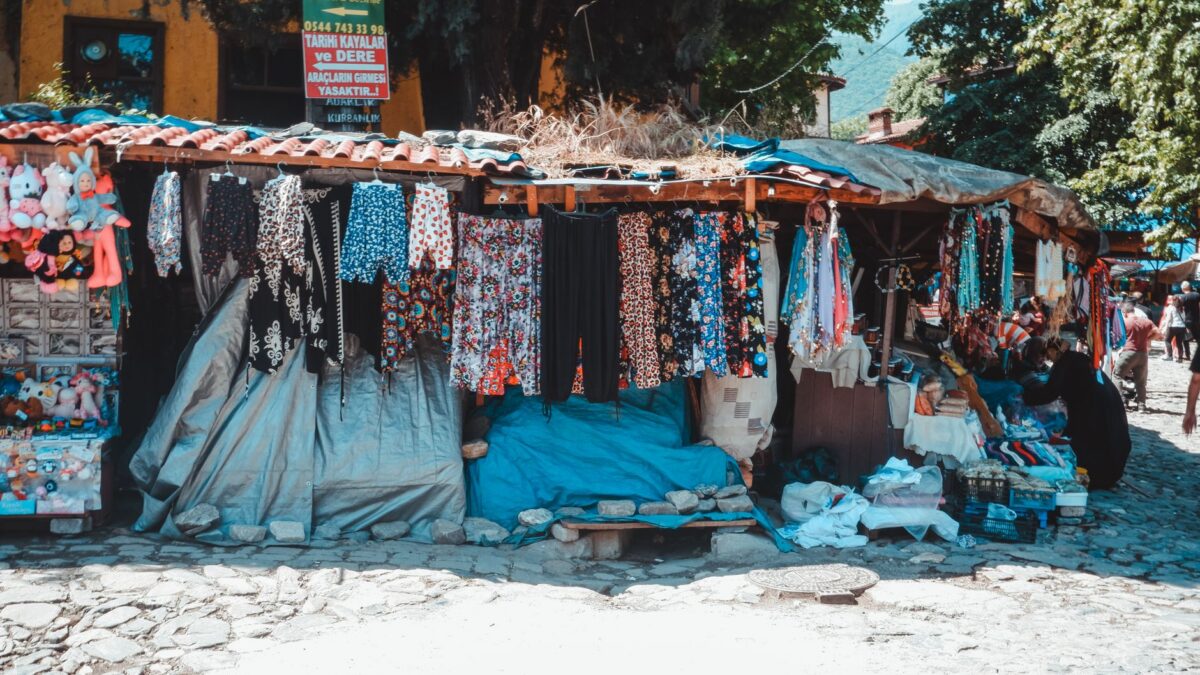
El Rastro, Madrid’s open-air flea market, runs every Sunday and public holiday from about 9:00 to 15:00, centered on Plaza de Cascorro and the Ribera de Curtidores in the La Latina and Embajadores area. It is free to walk around, busiest between 11:00 and 14:00, and best reached by Metro to La Latina or Tirso de Molina.
When and where is El Rastro?
The Rastro sets up early on Sunday and public holiday mornings and packs up around 15:00. Its spine is the Ribera de Curtidores, the sloping street that runs downhill from Plaza de Cascorro toward the Ronda de Toledo. Stalls spill into the side streets, such as Calle de Carlos Arniches and Calle Mira el Río Baja, and into Plaza del General Vara del Rey. Directories put the number of stalls at around 1,000, although the count changes from week to week.
Nearest Metro stations:
- La Latina (line 5): the classic approach, a few minutes from Plaza de Cascorro
- Tirso de Molina (line 1): good if you come from Sol
- Embajadores (line 3) and Puerta de Toledo (line 5): useful for the lower end of the market
Because the Rastro also runs on public holidays, it is worth knowing which days those are; see our list of public holidays in Madrid in 2027.
What is sold at the Rastro?
The upper part around Cascorro is mostly new goods: clothes, bags, sunglasses, phone cases and souvenirs. The more interesting stalls are further down and in the side streets.
- Secondhand and vintage: clothes, leather jackets, old cameras, records and books.
- Antiques and old furniture: mostly in the permanent shops and galleries on Ribera de Curtidores and nearby, many of which also open on Sunday mornings.
- Collectibles: stamps, coins, postcards and comics, traditionally in and around Plaza del General Vara del Rey and Plaza de Cascorro.
- Crafts: jewelry, ceramics, prints and handmade goods.
Prices are usually marked or quoted on request. Haggling is normal for secondhand items and antiques, less so for new goods. Bring cash in small notes; some stalls take cards or Bizum, many do not.
How do you avoid pickpockets at the Rastro?
The Rastro is one of the places in Madrid where pickpocketing is most common, because of the dense crowds in narrow streets.
- Carry only the cash you need and one card. Leave passports at home; a copy is enough for ID.
- Keep phones out of back pockets and do not leave them on stall tables while you look.
- Wear bags across your body with the opening facing in, or in front of you in the busiest stretches.
- Be wary of anyone who bumps into you, asks you to sign a petition or points out a stain on your clothes.
- Go early, before 10:30, when the crowds are thinner.
If something is stolen, report it to the Policía Nacional; you will need the police report (denuncia) to replace documents or claim on insurance. For emergencies call 112. Our page on emergency numbers in Madrid explains which number to use.
Which food markets are worth visiting?
Madrid has a large network of municipal markets (mercados municipales), many modernized in the last 15 years with bars and food stalls next to the traditional butchers, fishmongers and greengrocers. Hours below are typical, as of November 2026; individual stalls set their own hours, so check the market’s website before a special trip.
| Market | Area | What it is | Typical hours |
|---|---|---|---|
| Mercado de San Miguel | Next to Plaza Mayor | Glass-and-iron hall of tapas and gourmet stalls; little fresh produce | Daily from 10:00 to about midnight, to about 01:00 Fri and Sat |
| Mercado de San Fernando | Lavapiés, Calle Embajadores | Neighborhood market with food stalls and bars | Tue–Sat about 9:00–22:00; Mon split hours; Sun shorter hours |
| Mercado de Antón Martín | Calle Santa Isabel, near Lavapiés | Traditional produce plus small food bars | Mon–Sat; closed Sundays |
| Mercado de San Antón | Chueca, Calle Augusto Figueroa | Fresh produce downstairs, food stalls and a rooftop terrace upstairs | Check the market’s site |
| Mercado de la Cebada | La Latina, Plaza de la Cebada | Large traditional market; busy on Saturdays | Mon–Sat, mostly mornings and early evening |
| Mercado de la Paz | Salamanca district | Upmarket traditional market with good fish and charcuterie | Mon–Sat |
The Ayuntamiento lists every municipal market with address and hours on madrid.es. For the Rastro, San Fernando and La Cebada are within a 10-minute walk, which makes a Sunday lunch after the market easy.
Are markets cheaper than supermarkets?
Not always. Market stalls often charge more than supermarkets for basic produce, but quality and choice, especially of fish, meat and seasonal fruit, are usually better, and you can buy exact quantities. Many residents mix the two: supermarket for staples, market for fresh food on Saturday morning. Our comparison of supermarkets in Madrid shows where the basics are cheapest.
The gourmet halls, San Miguel above all, are priced for visitors. A few tapas and a drink there can cost as much as a set lunch (menú del día) in a neighborhood bar.
Bottom line
Arrive at La Latina by 9:30, walk down Ribera de Curtidores first and the side streets on the way back up, then eat at a neighborhood market or bar rather than the busiest terraces around Cascorro. Keep San Miguel for a weekday evening, when it is less packed than on a Sunday.
FAQ
Is El Rastro open on Saturdays?
No. The street market runs only on Sundays and public holidays. Some antique shops on Ribera de Curtidores open on Saturdays too.
What time does El Rastro close?
Stalls pack up from about 14:30 and the market is usually gone by 15:00.
Is the Rastro open at Christmas?
It runs on public holidays as on Sundays, though stall numbers can be lower on Dec. 25 and Jan. 1. For seasonal shopping, the Plaza Mayor Christmas market is a short walk away; see our guide to Christmas in Madrid.
Is Mercado de San Miguel open on Sundays?
Yes. It opens every day, from morning until about midnight.