Barajas T4S Arrivals and the EES: Passport Control to the T4 Train
At Barajas T4S, non-EU visitors on a short stay register fingerprints and a photo in the EES, then ride the train to T4. Steps, kiosks and rules explained.
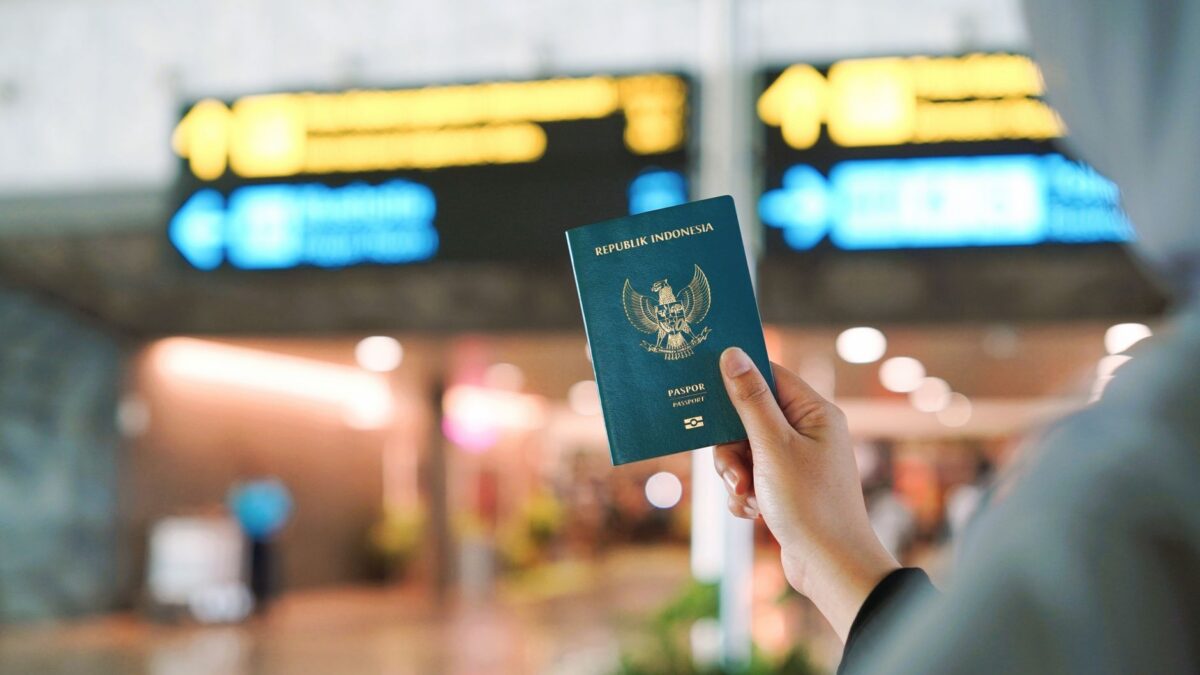
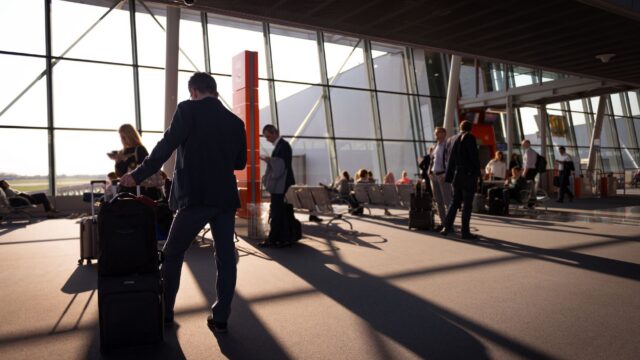
If you land at Madrid’s Barajas airport on a flight from outside the Schengen area, you will usually arrive at T4S, the satellite of Terminal 4, and clear passport control there before taking an underground train to the main T4 building for your bags and the exit. Since the EU’s Entry/Exit System (EES) became fully operational on April 10, 2026, non-EU visitors on a short stay have their fingerprints and a photo registered at the border instead of getting a passport stamp. Registration is free and needs nothing from you before you fly.
Where do flights from the Americas arrive at Barajas?
Barajas has five passenger terminals: T1, T2, T3, T4 and T4S, according to Wikipedia’s entry on Adolfo Suárez Madrid–Barajas Airport. The airport is the main hub of Iberia and Air Europa and a major link between Europe and Latin America. Long-haul flights run by Iberia and its partners from outside the Schengen area generally use T4S, while some other airlines from the Americas use T1. Your boarding pass or the airline’s app shows the terminal.
T4 and T4S are separate buildings about 2 km (1.2 mi) apart. T4 is the main building with check-in, baggage reclaim and access to ground transport. T4S is the satellite with the gates, and it is where non-Schengen arrivals are processed.
What happens in the T4S passport hall?
After you leave the plane, follow the signs for arrivals and passport control. The hall has separate lines for EU, EEA and Swiss citizens and for all other passports. Visitors from countries such as the United States, Canada, Mexico or Brazil going through the non-EU lines are the people the EES applies to.
- Walk from your gate to the passport control hall in T4S.
- Join the line for non-EU passports unless you hold an EU, EEA or Swiss passport.
- If staff direct you to a self-service kiosk or a booth, scan your passport and give your fingerprints and a photo.
- Go to the border officer’s desk for the final check.
- After passport control, follow the signs to the train for T4.
What is the EES and who has to register?
The EES is an automated IT system that records non-EU nationals traveling for a short stay each time they cross the external borders of the 29 European countries that use it, according to the European Commission. It stores your name, your travel document details, your fingerprints and facial image, and the date and place of each entry and exit. It also records refusals of entry. As of April 10, 2026, it replaces passport stamping, which lets authorities detect overstayers automatically.
The rollout was gradual. The Commission set Oct. 12, 2025, as the start of operations, and the system became fully operational on April 10, 2026. The agency eu-LISA develops and manages it.
Spain is on the list of Schengen countries, along with neighbors such as Portugal and France. Ireland and Cyprus are outside the Schengen area, so the EES does not apply when you travel there, according to the UK government’s EES guidance.
Do I need to do anything before I fly?
No. The UK government’s guidance says travelers do not need to take any action before reaching the border and that EES registration costs nothing. On your first visit after the system started, you may be asked to create a digital record on arrival, giving fingerprints and having your photo taken at dedicated booths. The record is valid for 3 years, and on later trips you may only be asked for a fingerprint or a photo. You may also be asked for one of these when you leave the Schengen area.
The guidance warns that checks can take each passenger extra time, so expect to wait longer at busy hours. If you think you will have trouble giving fingerprints or a photo, tell the border staff.
The EES does not change the short-stay limit: your total time in the Schengen area must stay within 90 days in every 180 days. Some travelers are exempt from the EES; the full list is on the EU’s Travel Europe website. They should show their exempting document to the border guard instead of registering, and a record created by mistake can be deleted, sometimes automatically, for example when the traveler later receives a residence permit. If you live in Madrid and are still sorting out your paperwork, see our guide on how to get an NIE number in Madrid.
How do I get from T4S to T4?
An automatic underground train links T4S with the main T4 building. It runs inside the secure area, so you take it after passport control and before baggage reclaim. Signs in the hall point the way to the platform.
In T4 you collect your checked bags, pass through customs and reach the arrivals hall. From there you can take the Metro, the Cercanías (Madrid commuter trains), the airport express bus or a taxi into the city. Our guide to getting from Madrid airport to the city compares the options, and you can check fares and rules in taxi vs Uber, Cabify and Bolt in Madrid if you plan to take a car.
What is there in T4S if I have a long layover?
Aena, the airport operator, lists a Gran Vía VIP lounge on floor 0 of T4S, next to Gates S127 and S128, on its Madrid-Barajas airport page. In the main T4 building, floor 1 has private soundproof pods from Pôdo that you can use for work, video calls or a quiet break. Aena also sells Meet & Assist escort services, parking and car hire through the same site.
What changes next: ETIAS
The EU is expected to start the European Travel Information and Authorisation System (ETIAS) from autumn 2026, according to the UK government. Travelers who do not need a visa will then have to apply online before the trip and pay a 20 euro fee. The EU will announce the start date before launch. No action is needed yet, and the UK guidance warns that any website selling ETIAS now is doing so fraudulently.
Quick answers
Does the EES cost anything?
No. Registration at the border is free, and you do not have to fill in anything before you travel.
Will I still get a passport stamp in Madrid?
For non-EU visitors on a short stay, the EES replaced passport stamping as of April 10, 2026. Your entry and exit are recorded electronically instead.
How long is my EES record valid?
The UK government says the digital record is valid for 3 years, so frequent visitors register fully only once in that period.
Are my bags collected in T4S?
No. Baggage reclaim for T4S arrivals is in the main T4 building, which you reach by the underground train after passport control.
Checked against official sources in November 2026. Hours, prices and rules change: confirm on the official page before you go or apply.