Three Kings Parade in Madrid: Route, Times and Where to Watch
On the evening of Jan. 5 the Three Kings ride down the Castellana to Cibeles. Here is the route, where to stand, how to get there and what happens on Jan. 6.
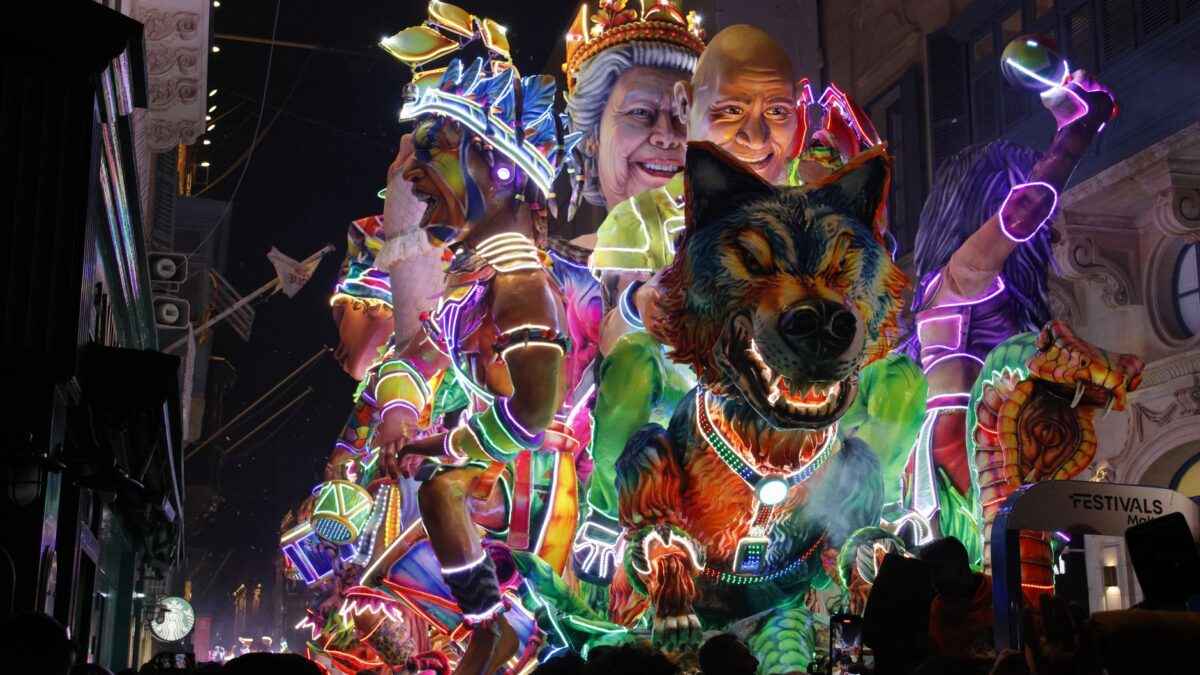
Madrid’s Three Kings parade, the Cabalgata de Reyes, takes place on the evening of Tuesday, Jan. 5, 2027. In recent years it has started at about 18:00 in Plaza de San Juan de la Cruz, run down the Paseo de la Castellana and Paseo de Recoletos and ended at Plaza de Cibeles, where the Kings speak at about 21:00. Watching is free.
What is the route of the Cabalgata de Reyes?
The Ayuntamiento publishes the official route, theme and timetable in late December. The 2027 details had not been announced as of mid-November 2026. The main parade has used the same north-to-south route for several years, and in January 2026 it ran like this:
| Item | January 2026 parade |
|---|---|
| Start | Plaza de San Juan de la Cruz, about 18:00 |
| Route | Paseo de la Castellana, Paseo de Recoletos |
| Finish | Plaza de Cibeles |
| Kings’ speech | About 21:00 at Cibeles |
| Crowd expected by the city | More than 200,000 people |
| Special traffic and security plan | 18:00 to 21:00 along the route |
The parade takes a long time to pass any single point, so you do not need to stand at the start. Floats, bands and dancers come first; Melchior, Gaspar and Balthazar ride near the end. Riders throw sweets, so children usually bring a bag.
Check the final 2027 program on the Ayuntamiento de Madrid website in the last week of December.
Where are the best and accessible viewing spots?
The front rows near Cibeles and Colón fill up more than an hour before the start. The wide stretches of the Castellana north of Gregorio Marañón are usually less packed, and you see the Kings earlier there.
For the 2026 parade, the city set aside areas for people with disabilities, always on the right-hand side of the route in the direction of travel, at:
- Plaza de San Juan de la Cruz
- Plaza del Doctor Marañón
- Glorieta de Emilio Castelar
- Plaza de Colón
The city also lent accessibility equipment on request, first come, first served: audio description, a hearing loop, amplified sound and vibrating backpacks that let deaf and hard-of-hearing people feel the music. Expect similar arrangements in 2027, but confirm them in the official program.
Are there parades in the districts too?
Yes. Most of Madrid’s 21 districts hold their own, smaller Cabalgata, on Jan. 4 or Jan. 5. In 2026, Latina’s parade left the Paseo de Extremadura at 17:00, Puente de Vallecas ran from 18:00, and Barajas, Hortaleza, Vicálvaro, Villa de Vallecas and Villaverde had their own routes. District parades are shorter, less crowded and good for small children. Towns around the region, from Alcalá de Henares to Getafe, also hold their own parades on Jan. 5.
How do you get there and what closes?
Streets along the route close to traffic in the late afternoon, and EMT buses that cross the Castellana are diverted. In the districts, closures in 2026 started at about 16:30 to 17:30. Leave the car at home.
Metro stations close to the route:
- Nuevos Ministerios (lines 6, 8 and 10) and Gregorio Marañón (lines 7 and 10) for the start
- Rubén Darío (line 5) for the middle stretch
- Colón (line 4) and Banco de España (line 2) near the end
Police may close individual exits when the pavements get too full. The regional transport consortium usually reinforces Metro service that evening. Fares, cards and passes are explained in our guide to the public transport card in Madrid.
What is the roscón de Reyes?
The roscón de Reyes is a ring-shaped sweet bread topped with candied fruit and sugar, often filled with cream, eaten on Jan. 6. Inside are a small figurine and a dry bean (haba). Whoever finds the figurine is crowned for the day; whoever gets the bean, by custom, pays for next year’s roscón. Bakeries take orders from late December, and queues on the morning of Jan. 6 can be long. Supermarket versions are cheaper and need no order.
What happens on Jan. 6?
Jan. 6, Día de Reyes (Epiphany), is a public holiday; in 2027 it falls on a Wednesday. In Spanish homes it is the main present-giving day for children, who leave their shoes out on the night of Jan. 5. Expect quiet streets in the morning and family lunches later.
- Most shops are closed, although some supermarkets open. See which days are holidays in our list of public holidays in Madrid in 2027.
- Major sights change hours. The Royal Palace and the Reina Sofía are closed on Jan. 6, and the Prado opens only until 14:00. Our guide to free museum hours in Madrid has the regular schedules.
- Many shops start the winter sales on Jan. 7.
Bottom line
With small children, pick a district parade or a spot on the upper Castellana and be there by 17:15 with warm clothes and a bag for sweets. Leave before the Kings’ speech at Cibeles if the children are tired: the crowd heading for the Metro after 21:00 is the hardest part of the night.
FAQ
What time does the Three Kings parade start in Madrid?
The main parade has started at about 18:00 in recent years and reaches Cibeles around 21:00. The 2027 times are confirmed in the city’s program in late December.
Is Jan. 6 a holiday in Madrid?
Yes. Epiphany is a national public holiday. Offices, banks and most shops close.
Do you need tickets for the Cabalgata?
No. Watching from the street is free. The only reserved areas are those for people with disabilities, listed in the official program.
Is the parade cancelled when it rains?
Light rain usually does not stop it. The city can change or shorten the parade for safety in severe weather, and it announces changes on its website and social media.