Summer Heat in Madrid: Warnings, Cool Places and Work Rules
Madrid summers bring regular heat warnings. What the colors mean, how to plan your day and what employers must do on the hottest days.
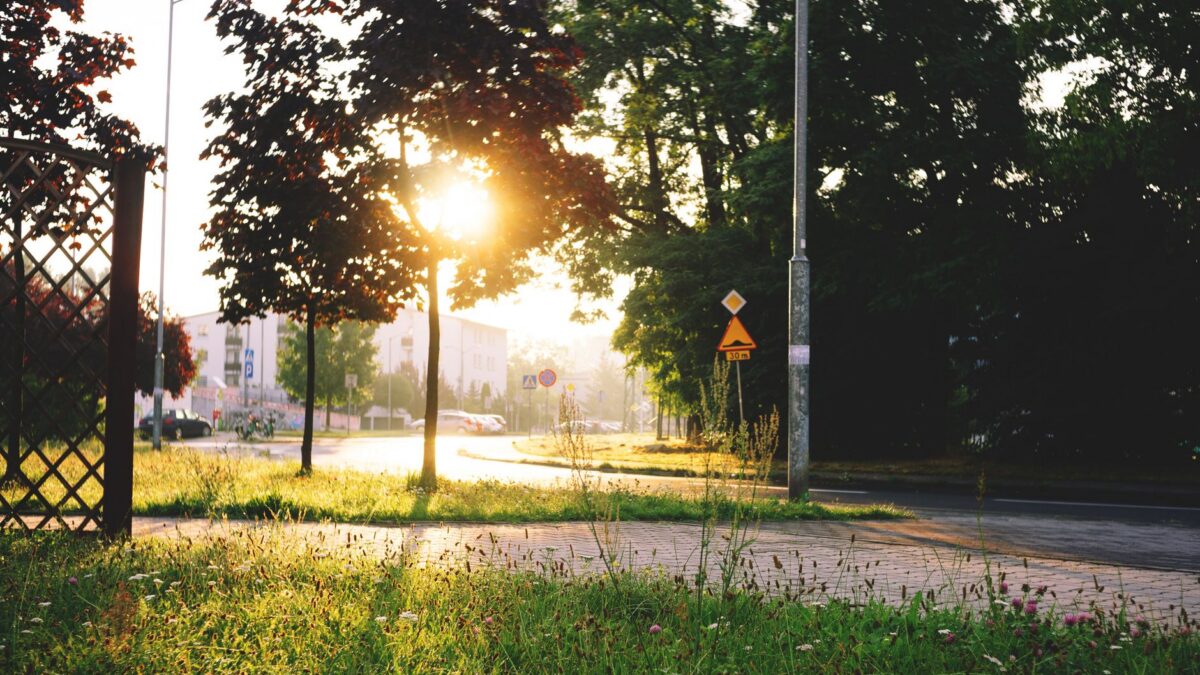
Madrid summers are hot and dry, and heat warnings come from AEMET, Spain’s state weather agency, on a color scale from yellow to red. On orange and red days, avoid outdoor exercise and work in the middle of the day, drink water regularly and spend the hottest hours in air-conditioned public buildings. Employers must adapt outdoor work when AEMET issues an orange or red warning.
What do AEMET’s heat warning colors mean?
AEMET (Agencia Estatal de Meteorología) issues warnings through its Meteoalerta system for each warning zone, including the Madrid metropolitan area and the Henares corridor, the southern plains and the Sierra de Guadarrama. The thresholds are set for each zone, based on what is unusual for that area, so a yellow warning in Madrid city means hotter weather than a yellow warning in a cooler region.
| Level | What it means | What to do |
|---|---|---|
| Green | No meteorological risk | Normal summer precautions |
| Yellow | No risk for the general population, but risk for some activities | Plan outdoor exercise and work for early morning or evening |
| Orange | Significant risk; unusual heat | Avoid strenuous activity outside in the afternoon; check on older neighbors |
| Red | Extraordinary risk; exceptionally intense heat | Stay in cool places during the day and follow official instructions |
Warnings appear on AEMET’s website and app, usually a day or more in advance. The temperature threshold for each level is shown on the warning itself.
What does the Comunidad de Madrid’s heat plan do?
Each summer the Comunidad de Madrid runs a plan to monitor and reduce the health effects of high temperatures. It combines the weather forecast with health surveillance and sends alerts to health centers, hospitals, care homes and social services when a period of risk is expected. The plan pays special attention to older people living alone, babies and young children, pregnant women, people with chronic illness and outdoor workers.
Watch for the warning signs of heat illness: headache, dizziness, nausea, cramps and heavy sweating can lead to heat exhaustion. Confusion, very hot dry skin or fainting can mean heatstroke. Call 112 in that case, as explained in our guide to emergencies in Madrid, and move the person somewhere cool while you wait.
Where can you cool down in Madrid?
Air-conditioned public buildings are the simplest refuge on hot afternoons:
- Municipal libraries and cultural centers. Madrid city’s network of public libraries and district cultural centers is free to enter. Check summer hours, as some reduce opening times in July and August.
- Museums. The large museums are air-conditioned, and several have free hours; see our comparison of free museum entry in Madrid.
- Shopping centers and the Metro. Many Metro stations and trains are air-conditioned, though older stations can be warm.
- Parks with shade and water. Retiro, Madrid Río and Casa de Campo are cooler in the early morning and late evening than the streets.
If the Ayuntamiento publishes a list of climate shelters (refugios climáticos) or longer summer hours for municipal buildings, it appears on madrid.es. Check there before summer 2027, as lists and hours change from year to year.
When do the public swimming pools open?
Madrid city runs outdoor summer pools at municipal sports centers across the districts. In 2026 there were 25, and the season ran from May 15 to early September, according to the Ayuntamiento’s press office. Entry is paid, with lower prices for children, older people and some other groups; local media reported the 2026 adult ticket (ages 27 to 64) at €4.50, as of November 2026.
- Dates and prices are set each year. Check madrid.es or the city’s Mi Madrid Móvil app before summer 2027 for the new calendar and fees.
- Popular pools fill up on hot weekends and close the gates when they reach capacity. Arrive early or go on a weekday.
- Towns in the Comunidad de Madrid run their own pools with their own fees and resident discounts.
What are the rules for outdoor work in heat?
Spain changed its workplace health rules in 2023 with Real Decreto-ley 4/2023. When AEMET or the regional authorities issue an orange or red warning for extreme heat, employers must adapt outdoor work to protect workers. That can mean reducing or changing working hours, especially avoiding the hottest part of the day, and stopping work if safety cannot be guaranteed.
- Employers must assess heat risk and provide water, shade and rest breaks.
- Workers who believe they are at risk can contact their company’s health and safety representative or the labor inspectorate (Inspección de Trabajo).
- The same principle applies to delivery riders, construction, street cleaning and gardening.
For details of your sector, check your collective agreement or ask a labor adviser.
When should you avoid exercise outdoors?
On hot days, the coolest window in Madrid is early morning, before about 10 a.m. Temperatures usually peak in the late afternoon, and the streets stay warm well into the evening because buildings and pavements release stored heat. Run, cycle or play sport early, carry water and slow down if you feel dizzy.
Bring a refillable bottle: Madrid’s tap water, supplied by Canal de Isabel II, is safe to drink, and the city has public drinking fountains in parks and squares.
How do you protect pets in the heat?
Dogs suffer on hot pavements and in cars. Walk them early in the morning and late at night, test the pavement with the back of your hand and carry water. Never leave a pet in a parked car, even for a few minutes. Short-nosed breeds, older dogs and overweight pets are most at risk. Signs of heatstroke in dogs include heavy panting, drooling and weakness; take the animal to a vet immediately.
Bottom line
Install the AEMET app and turn on notifications for the Madrid metropolitan zone so you see orange warnings the day before. Plan errands, exercise and visits for the morning on those days, and keep afternoons for indoor places.
FAQ
How hot does Madrid get in summer?
Afternoon temperatures in July and August regularly pass 35°C (95°F), and heat waves can push them toward 40°C (104°F). Nights in the city stay warm during heat waves.
Is there a heat emergency phone line?
For medical emergencies call 112. For general health advice, contact your health center or the Comunidad’s 012 information line.
Are fans enough during a heat wave?
Fans help, but above about 35°C they cool the body less. Spend a few hours each day in an air-conditioned space, and close blinds during the day to keep heat out.
Can my landlord be required to install air conditioning?
Spanish rental law does not generally require landlords to provide air conditioning. If a unit included in the contract breaks, repairs follow the rules on landlord and tenant repairs.