Spain Election Debate: Left Says People Suffer, PSOE Cites Growth
In RTVE's TV debate before Spain's Nov. 29 general election, left-wing parties and the PP attacked the PSOE over living costs. Here is what each side said.
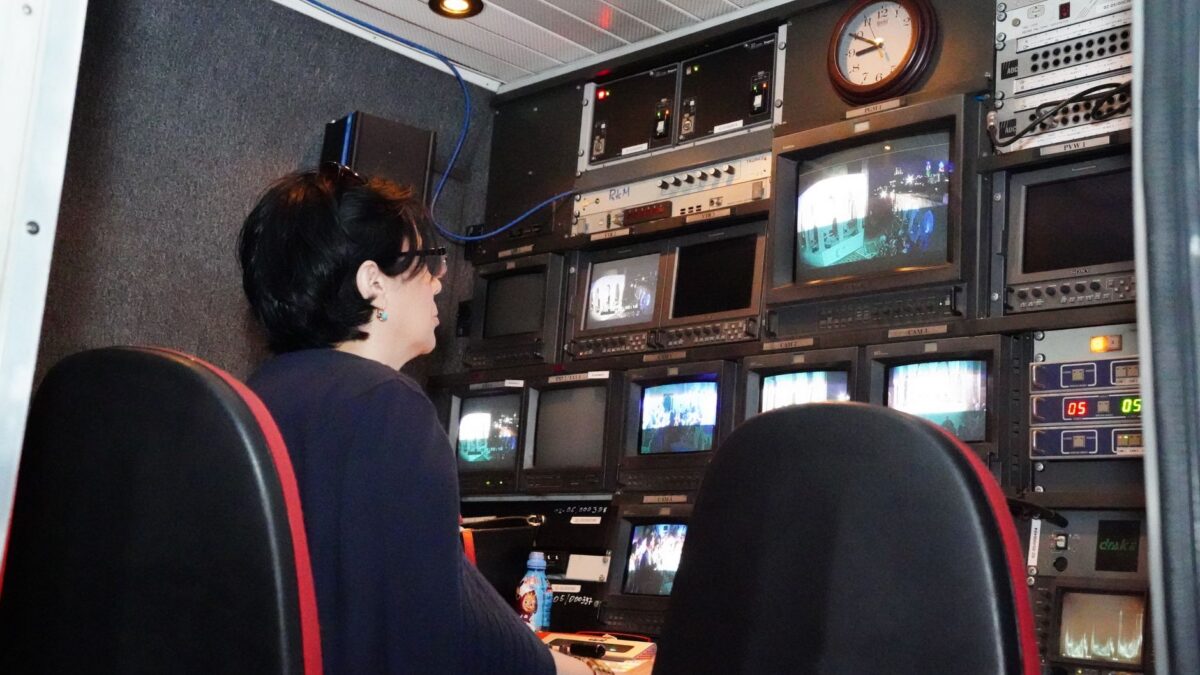
Spokespeople for the eight main candidacies in Spain’s general election on Nov. 29 clashed on Monday over living costs in a debate organised by RTVE, the public broadcaster. Parties to the left of the PSOE said “people suffer” from high food and energy prices even though the economy has grown. The PP and Vox said the Socialists describe a country that does not match what citizens experience, according to Telemadrid’s account of the debate.
The PSOE’s spokesman in Congress, Patxi López, defended the government of Pedro Sánchez, which has been in the Moncloa (the prime minister’s office) for eight years. The sharpest exchanges were over who is responsible for the current situation.
The PSOE: growth used to redistribute wealth
López said the government has made Spain’s economy the fastest-growing in Europe and has used the “profits” of that growth to redistribute wealth. He listed job creation, increases in the Salario Mínimo Interprofesional (the national minimum wage), more money than ever for dependency care and new social rights.
When Gabriel Rufián, who heads the ERC-Podemos list, urged him to admit that “it has been badly governed”, López answered only that some citizens have “problems”. He argued that nothing can be expected from the PP and Vox on the economy because they rejected the government’s anti-crisis measures in Congress. In his words, they did so to annoy the government while “annoying the people”.
The left: records on paper, hardship at home
Rufián said it “makes no sense” for large companies such as Repsol to earn more than ever while people struggle to pay for petrol or heating. He called the situation “a failure of the left of this country”. He also called for “public supermarkets” to counter what he described as abusive food prices.
Emilio Delgado, who heads the Frente Amplio list in Madrid, said the good economic figures are “not reaching the problems of households”, even though the year is set to end with half a million more workers and record numbers of Social Security contributors.
Oskar Matute of EH Bildu agreed that prices must fall and wages rise, but said inflation “did not fall from the sky”. He blamed the tariff policies of Donald Trump and the war in Iran, with the Strait of Hormuz blocked. He said the crisis is being paid by working-class people and should be paid by the rich, and he called for a minimum wage of 1.500 euros.
The right: “as if we lived in Switzerland”
The PP’s spokeswoman in Congress, Esther Muñoz, accused López of painting a successful country “as if we lived in Switzerland” while many people have precarious jobs. She also said the left parties “have voted all the laws” of the PSOE and are therefore just as responsible. She told them: “You are all accomplices of Sánchez.”
Muñoz said that if Alberto Núñez Feijóo wins, the PP would cut income tax (IRPF) for people on lower pay and remove IRPF for young people in their first year of work.
Pepa Millán of Vox said the left’s partners speak as if they had not backed the government for eight years. She said inflation has turned “a 50 note into a 20 one”, and asked for tax cuts for small firms to lower labour costs and for protection of farmers against unfair competition.
Junts and PNV: different priorities
Miriam Nogueras of Junts also described the cost of living as “unbearable” and asked for a change in how taxes are distributed. She criticised left-wing parties for raising social contributions for the self-employed.
Maribel Vaquero of the PNV took a different tone and listed her party’s results. They included a Basque consortium to keep Talgo in Euskadi, a law giving regional labour agreements “prevalence”, and a deal with minister Carlos Cuerpo to cut energy taxes after the closure of Hormuz.
Why it matters for residents
The debate shows that food and energy prices, wages and taxes are the main economic themes of the campaign ahead of the Nov. 29 vote. Voters will choose between the PP’s promised income tax cuts, the PSOE’s record on growth and minimum wage rises, and the left-wing demands for price and wage measures. The figures quoted in the debate were claims by the parties, not independently checked in the Telemadrid report.
Source: Telemadrid