Madrid Passes Land Law Cutting City Plan Approval From 12 to 4 Years
The Madrid Assembly passed the PP's land law with Vox support before the Nov. 29 election. It speeds up rezoning; the opposition fears speculation.
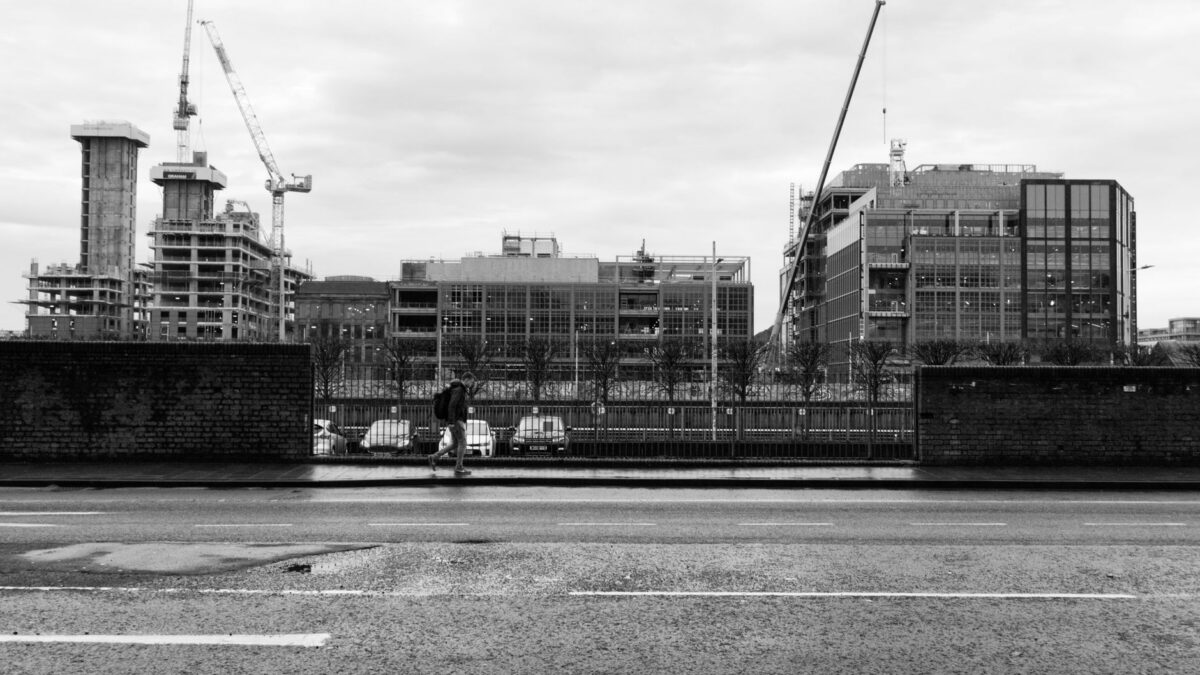
The Asamblea de Madrid (the Madrid regional parliament) approved the regional land law in its last plenary session before the Nov. 29 election, according to El País. The ruling Partido Popular (PP) of regional president Isabel Díaz Ayuso, backed by Vox, passed a law meant to speed up changes in land use and encourage building as an answer to the housing crisis.
The PP holds an absolute majority and did not need Vox’s votes. Más Madrid and PSOE voted against.
What the law changes
The law simplifies land categories and widens the use of the declaración responsable (a sworn statement that replaces some prior permits). Land classes drop from five to three: urbanized, protected rural and unprotected rural.
Processing a Plan General (a municipality’s master plan) falls from 12 years to 4. Plans can now also be handled by private parties, not only by public administrations.
The regional government says it added 36% of the suggestions it received from urban planners, environmental groups and residents’ associations. Environment councillor Carlos Novillo has described the law as a way to change the paradigm of Madrid planning, moving from a more rigid model to a more flexible one.
What opponents say
Más Madrid and PSOE argue that it opens an even bigger door to property speculation. The national Ministry of Housing filed objections along the same lines, saying private processing of plans could favor speculation.
A group of organizations formed the Plataforma Madrid contra la ley Líder. It calls the law another turn of the screw in deregulation and privatization of land policy. Quique Villalobos, who handles planning and housing for the regional federation of neighborhood associations (Fravm), calls it a 2.0 version of the 1998 law of “todo urbanizable”, under which all land could be built on, and points to the bubble that followed. Environmentalists say protected land could become buildable with fewer controls.
Why it matters for residents
The Comunidad de Madrid (the regional government) presents the law as a route to more homes in a region with serious problems of housing access. The vote came days before the Nov. 29 election, which was called amid the housing crisis, according to El País. Whether the law produces more affordable housing is not settled by the vote: supporters and critics read the same rules in opposite ways.
Source: El País