Madrid’s EMT Plans Biomethane for Nearly Four in Five Buses From 2027
EMT Madrid has opened two tenders worth almost a hundred million euros to run its gas buses on biomethane from 2027. Here is the source, the contracts and the climate case.
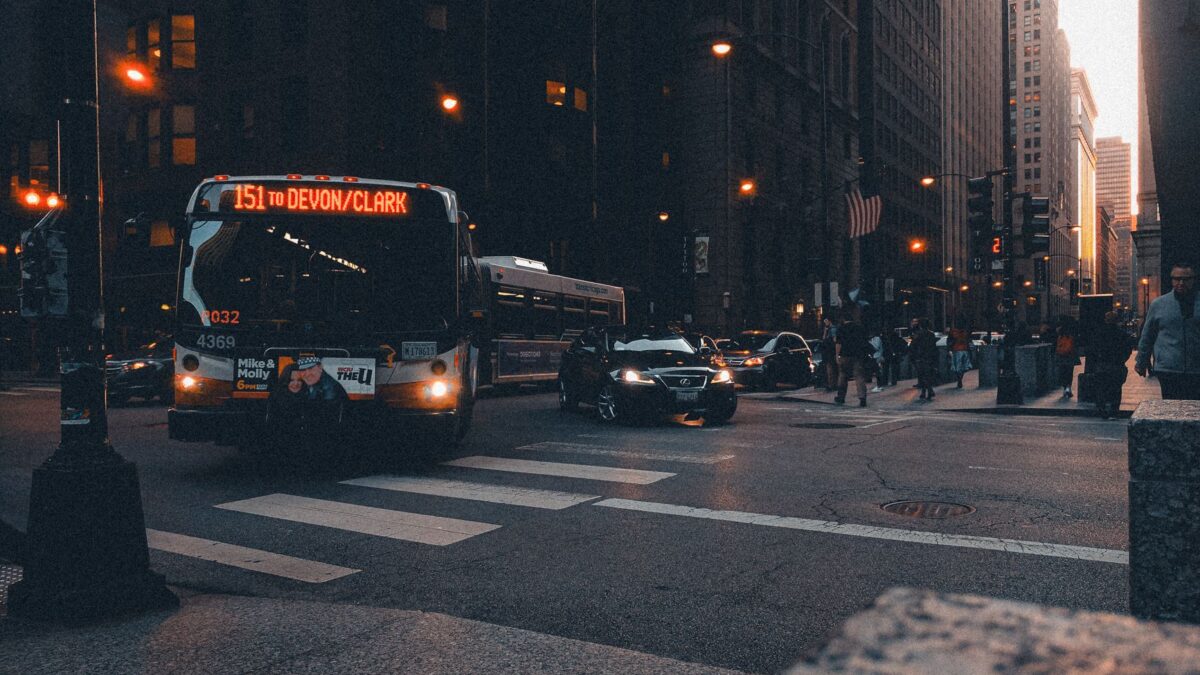
Madrid’s municipal bus company is switching its gas-powered vehicles to renewable fuel. From 2027, nearly four in five of the buses run by the Empresa Municipal de Transportes (EMT, the city’s public bus operator) will use biomethane instead of compressed natural gas, according to ABC and La Razón. The change covers a fleet of more than two thousand vehicles.
The buses themselves stay the same. EMT says it can cut the carbon footprint of vehicles already on the road without replacing them or rebuilding the depots that fuel them.
Two tenders, almost a hundred million euros
EMT has opened two contracting procedures, with a combined budget of just under a hundred million euros. The money covers the fuel itself and the costs of supplying it. The company expects to buy about 768 gigawatt hours (GWh) in 2027, enough for the buses and for the company’s own facilities that now burn gas. EMT’s calculations, as reported by La Razón, put that at close to twice all the biomethane certified in Spain in a year.
The first contract ties supply to the Valdemingómez technology park, Madrid’s municipal waste treatment site. It runs for an initial 20 months and can be extended to the end of 2031. The second procedure is split into two lots and covers 2027 to 2029, with two possible one-year extensions. If every extension is used, EMT would have its gas needs covered for five years.
How waste becomes bus fuel
Organic waste that Madrid households separate for recycling decomposes at Valdemingómez and produces biogas. The biogas is then purified into biomethane. A guarantee-of-origin certificate lets EMT prove that the fuel it buys is renewable.
Natural gas and biomethane are both mostly methane. The difference is where the carbon comes from. Burning natural gas releases carbon that spent millions of years underground. Burning biomethane releases carbon that organic matter absorbed only recently, which is why ABC describes the fuel as producing zero net emissions. Under European rules, buses running on compressed natural gas already count as clean vehicles.
Why it matters for Madrid
For riders, nothing changes at the stop: the same buses run the same routes. For the city, the switch is a way to lower emissions from a large share of the fleet quickly. EMT also says the new contract model simplifies fuel management, includes protection against extraordinary price rises and guarantees traceability of the fuel. The measure sits alongside the purchase of zero-emission buses and the gradual electrification of the municipal fleet.
It is not the first time. In 2022, Valdemingómez biomethane fuelled a number of buses equivalent to those on a line such as the C1. The new tenders raise both the number of vehicles and the length of supply. The city also uses renewable energy for its public bike system: guarantee-of-origin certificates bought for this year cover the electricity used by the 683 BiciMAD charging stations.