EU Budget Draft Cuts €204 Billion and Adds 3% Digital Levy
European Council President Antonio Costa proposed a smaller EU budget and a 3 percent levy on big digital firms. Here is what the draft contains and who objects.
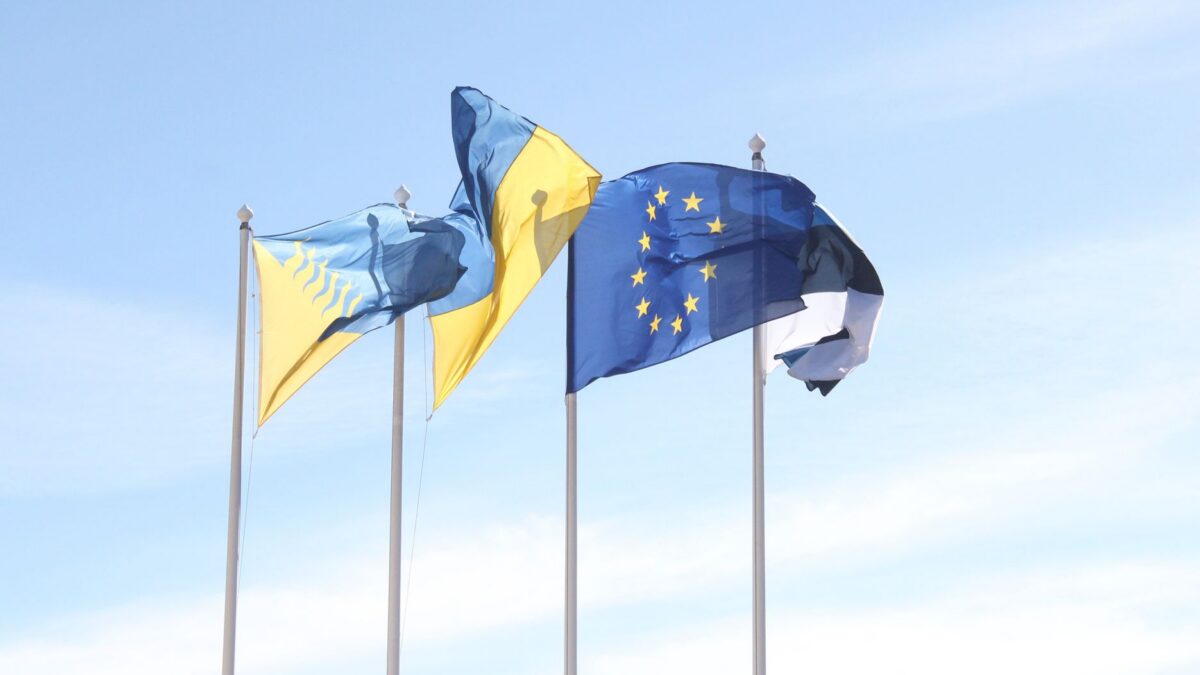
European Council President Antonio Costa has put forward a new draft of the EU’s 2028-2034 budget that is €204 billion ($224 billion) smaller than the plan the European Commission first proposed, according to The Local Spain. The draft also introduces a tax on large digital companies as a new source of revenue for the bloc.
Costa presented the text in Brussels on Saturday. “I believe this proposal can bring us closer to a final agreement,” he told a press conference. He wants EU leaders to settle the budget by the end of the year.
What the draft contains
The Commission proposed a €2 trillion budget for the seven years from 2028 to 2034. Several countries called that too heavy, and Germany led the push for deep cuts. A revised version published last month, which trimmed €140 billion, was also criticized by Berlin. Costa’s draft cuts further.
On the revenue side, the council documents describe an annual contribution from companies with digital turnover of at least €50 million in the EU and global turnover above €750 million. The contribution would equal 3 percent of annual net turnover from online advertising, digital intermediation services and user-generated data. Costa said the levy is “in no way directed against any particular company or country.” It replaces a charge on large companies that the Commission had envisaged.
The draft adds a levy on electronic waste and higher tobacco taxes. Costa said the EU will also look at a tax on crypto assets and at earning money from radio spectrum auctions. The council estimates that these “own resources” could bring in about €60 billion a year.
Who objects
Germany and five other so-called frugal members, Sweden among them, want a smaller budget still. Swedish Europe Minister Jessica Rosencrantz wrote on X that the bloc is “still a long way from a compromise” and that the budget remains too large.
Other camps pull the other way. France, the second-biggest EU economy and a net contributor, argues the bloc needs enough money to meet its growing challenges. Seventeen countries from southern, central and eastern Europe form a group called the Friends of Cohesion, which wants more funding for agriculture and regional development.
The European Parliament will also have to approve any deal among governments. Budget lawmaker Siegfried Muresan called the proposal “simply unacceptable” and said the council is fixated on cuts.
Why it matters for readers in Spain
Spain is among the countries that draw on EU funds for agriculture and regional projects, so the fight between the frugal group and the cohesion group bears on how that money is split in 2028-2034. The digital levy could also draw a reaction from Washington. The Local Spain reported that the administration of US President Donald Trump has responded angrily to EU fines and measures against large technology firms under the bloc’s content and competition rules.
What happens next
EU leaders meet in Brussels next week, and the draft will be at the center of those talks. Costa is aiming for a deal in December. According to the report, EU officials fear that a delay would push negotiations into 2027, an election year in which eurosceptic victories in France and elsewhere could complicate any agreement. After governments agree, they must still negotiate with Parliament.
Source: The Local Spain