San Silvestre Vallecana: Route, Start Times, Fees and How to Watch
The San Silvestre Vallecana is a 10 km race across Madrid every Dec. 31. Here are the route, start times, entry fees, its history and where to watch.
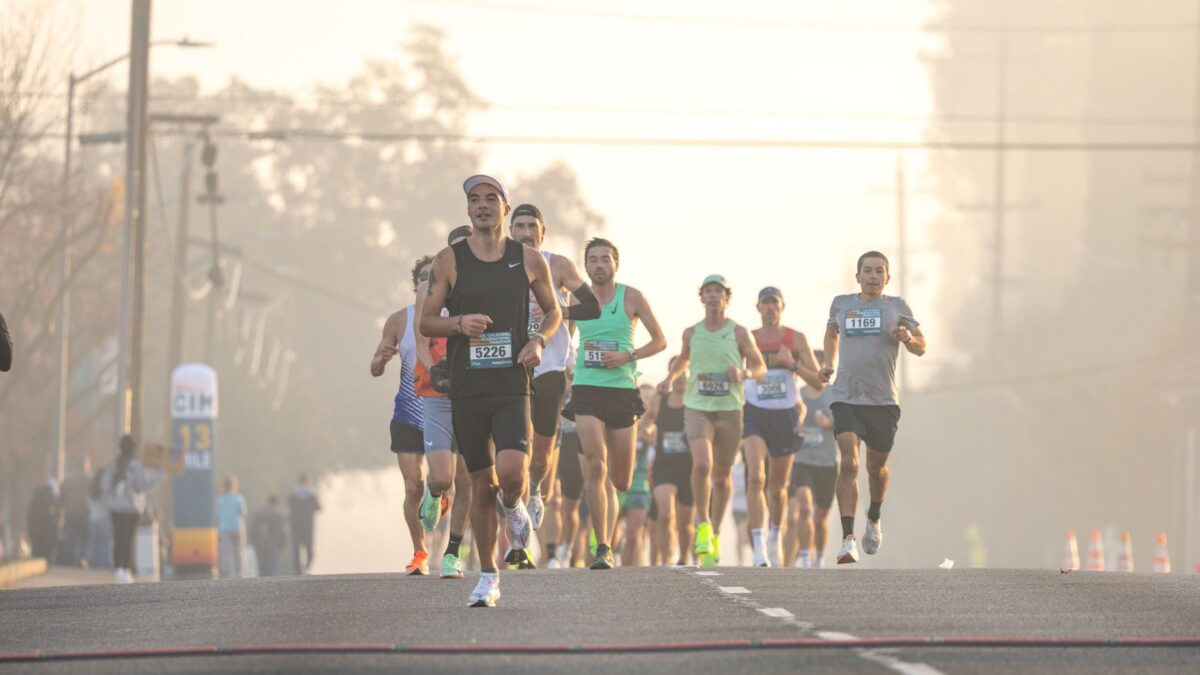
The San Silvestre Vallecana is a 10 km road race held in Madrid every Dec. 31, run since 1964 from the north of the city center to the Vallecas district in the southeast. It has two races on the same evening: a mass race open to amateurs, many of them in costume, and a later international race for elite athletes. Anyone can watch for free from the pavement along the route, and amateur entries for the 2026 edition cost from €27.
What is the San Silvestre Vallecana?
It is Madrid’s New Year’s Eve run, held on the feast of Saint Sylvester. According to the English Wikipedia entry on the race, it is modeled on the Saint Silvester Road Race in São Paulo, Brazil, held since 1925, and it ranks with the Madrid Marathon among the city’s main running events. The race’s current primary sponsor is Nationale Nederlanden.
The event has two parts. The San Silvestre Popular is for amateurs of every level and has a festive feel, with music and crowds along the streets. The San Silvestre Internacional is the professional race that follows later the same evening. There is also a children’s race, which the official San Silvestre Vallecana site lists alongside the adult events.
Who can take part and what does it cost?
The popular race is open to anyone over 16, according to the Spanish Wikipedia article. The international race is limited to athletes with a 10 km time under 39 minutes for men and 45 minutes for women.
The official site sets prices for the 2026 popular race in tiers by bib number, so the price rises as places sell:
- €27 for the first block of bibs
- €29 for the second block
- €31 for the last block
Each entry carries an extra €0.80 handling fee. Registration dates, the kit pick-up point and rules for the children’s race are published on the official site.
What time does the race start?
Under the route used since 2006, the popular race starts first, between 17:30 and 18:00, and the international race starts at 20:00. These times come from Wikipedia’s description of the course, so check the official site for the exact 2026 schedule before you go.
What is the route?
Since 2006, the popular race has started on Concha Espina, at Plaza Sagrados Corazones. Runners head down Serrano to Plaza de la Independencia, then along Alcalá to Cibeles and down Paseo del Prado to Plaza Emperador Carlos V by Atocha. From there the course follows Ciudad de Barcelona and Avenida de la Albufera into Vallecas, then Sierra de Cadí, Carlos Martín Álvarez and Martínez de la Riva, finishing on Candilejas at the corner of Tiempos Modernos.
The international race follows the same streets as far as Avenida de la Albufera. It then turns onto Monte Igueldo and runs along Martínez de la Riva, Carlos Martín Álvarez and Arroyo del Olivar to finish inside the Estadio de Vallecas, home of the Rayo Vallecano football club.
The two Wikipedia articles differ on the popular finish: the English page says amateurs also end at Vallecas Stadium, while the Spanish page puts their finish on Candilejas. The official course map settles it for each year.
Where can you watch it?
Spectators line the course on foot, and no ticket is needed. The central stretch, from Serrano through Plaza de la Independencia, Cibeles and Paseo del Prado, is the easiest part to reach from the city center and gets the costumed amateurs early in the evening. To see the elite finish, the area around the Estadio de Vallecas is where the international race ends. Expect streets on the route to close to traffic while the races are on, and plan to walk or take the Metro rather than drive.
If you are staying in town through the holidays, the next big street event is the Three Kings parade route and viewing spots in early January.
How did the race begin?
The first race was held in 1964 and was only for professional runners. Antonio Sabugueiro came up with it with a group of friends in the Bella Luz bar, copying the São Paulo New Year’s Eve race, and it was first called the Gran Premio de Vallecas. Sabugueiro has since died.
The first edition had 57 starters. After the second edition, José Luis Gilabert, a sports journalist at the newspaper Marca, used the name “San Silvestre Vallecana” on the front page, and the name stuck. A few years later, journalist Pepe Domingo Castaño of Cadena Ser radio suggested an amateur race, which became the popular event. Early editions were for men only; a women’s category was added in 1981. The 1969 race was cancelled because money problems left it without sponsors.
Before 2006, the course started on Serrano and ran through Plaza de la Independencia, Alfonso XII, Paseo del Prado, Cibeles and Atocha before heading out along Avenida Ciudad de Barcelona and Avenida de la Albufera to Vallecas.
How big is it, and who has won?
The Spanish Wikipedia page calls it the largest San Silvestre race in Spain and says that in 2011 it drew more runners than the São Paulo race. The English page puts the record at up to 40,000 participants in 2012, so the two sources differ on when the peak came.
Course records on the current 10 km route are 26:32 for men, set in 2024 and listed for both Berihu Aregawi and Jacob Kiplimo, and 29:54 for women, set by Brigid Kosgei in 2018. Past winners include Eliud Kipchoge in 2005 and 2006 and Paula Radcliffe in 2005. In 2025 the race was won by Geoffrey Kamworor and, for the second year running, by Marta García.
Quick answers
How long is the San Silvestre Vallecana?
Both races are 10 km, run on Dec. 31.
Can children run?
The main popular race is for people over 16. The official site runs a separate children’s race; check it for age groups and times.
Where does the race finish?
The international race finishes in the Estadio de Vallecas. Sources differ on the popular race finish, so check the year’s course map.
Do I need to pay to watch?
No. Spectators watch from the streets along the route.
Checked against official sources in November 2026. Hours, prices and rules change: confirm on the official page before you go or apply.