Madrid Teachers Rally as Region Adds 780 Million to Education Budget
Striking Madrid teachers rallied at the regional Assembly as the education chief defended a 780 million euro budget rise. What each side says about the 2027 plan.
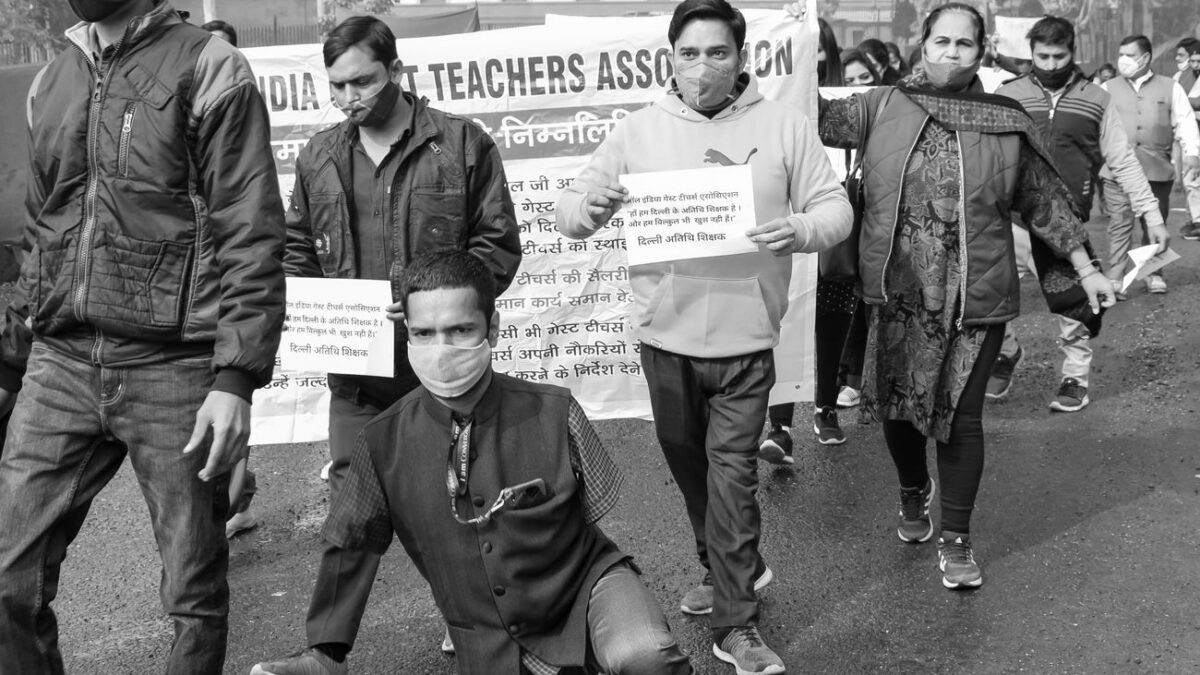
Hundreds of teachers protested outside the Asamblea de Madrid (the regional parliament) in Vallecas as the indefinite education strike entered its sixth week, El País reported. Inside, the regional education chief, Mercedes Zarzalejo, presented a 2027 education budget that grows by 780 million euros compared with 2026.
The strike committee called the figures bleak, while Zarzalejo described them as the best education budget the Comunidad de Madrid (Madrid regional government) has ever had. No negotiations between the two sides have been scheduled.
The “ticks” chant on Avenida Pablo Neruda
Protesters on Avenida Pablo Neruda chanted that the “garrapatas” (ticks) had arrived, mocking regional president Isabel Díaz Ayuso. Over the weekend Ayuso had described strikers as people who do not love their profession and want to live off public money, using that word. Esteban Martínez, a 47-year-old English teacher, told El País the teachers would keep resisting because their pupils deserve a decent public education.
What the regional government says
Zarzalejo presented the budget of the Consejería de Educación, Ciencias y Universidades (the regional education department) to the Assembly’s budget and finance committee. She called it the highest education budget in the region’s history and said close to 25% of the whole regional budget goes to education. She also claimed a new record in grants for families and accused opposition spokespeople of treating public schools as their private property.
Zarzalejo has said the strikers’ demands cannot be met because the money is not there. On Monday she announced she would take members of the strike committee to court, accusing them of inciting unauthorised violent acts during protests. She said she has faced harassment since the strike began about a month ago. The same day she pulled out of a vocational training event after striking teachers entered it, and cancelled an appearance in the Retiro district after police warned they could not guarantee security.
What the strike committee says
The Comité de Huelga Mixto groups CGT, UGT, STEM, CCOO, Solidaridad Obrera, CNT, Menos Lectivas, Queremos FP and Educación Especial Digna. Three of its representatives gave their own reading of the budget in Muga, a small bookshop near the Assembly.
Julia Riesco of Menos Lectivas said the increase should be judged by how much reaches public schools: teachers, class sizes, grants and buildings. She said Madrid spends 2% of its GDP on education, despite having the highest GDP per person of any Spanish region, and that spending per pupil is 19% below the Spanish average.
Riesco also cited CCOO data showing that more than sixty thousand students were left without a public vocational training (FP) place last year, which she said pushed growth in private and state-subsidised FP. She contrasted grants for students at private schools with school-meal grants, which she said reach only four in ten children living in poverty.
On funding, Riesco called Madrid a tax haven for high earners. She said the richest 1% avoid paying 400 million euros through income tax deductions, and the region loses 626 million euros through exemptions for large fortunes, money she said would cover some of the strikers’ demands. Jessica Belda of CGT said the budget does not set out new teaching posts, or when and where school building and climate-control works will happen.
What this means for families
The strike, now in its sixth week, continues with no talks under way. Belda called the language used by Ayuso and Zarzalejo hate speech and said the latest order changing minimum services breaches the right to strike. Chema Pinto of UGT said Zarzalejo cannot know whether the demands are affordable when she has not sat down to negotiate, and suggested they could be phased in over several years. The committee says it is still waiting for a call from the education department.
Source: El País